
Odzala-Kokoua National Park
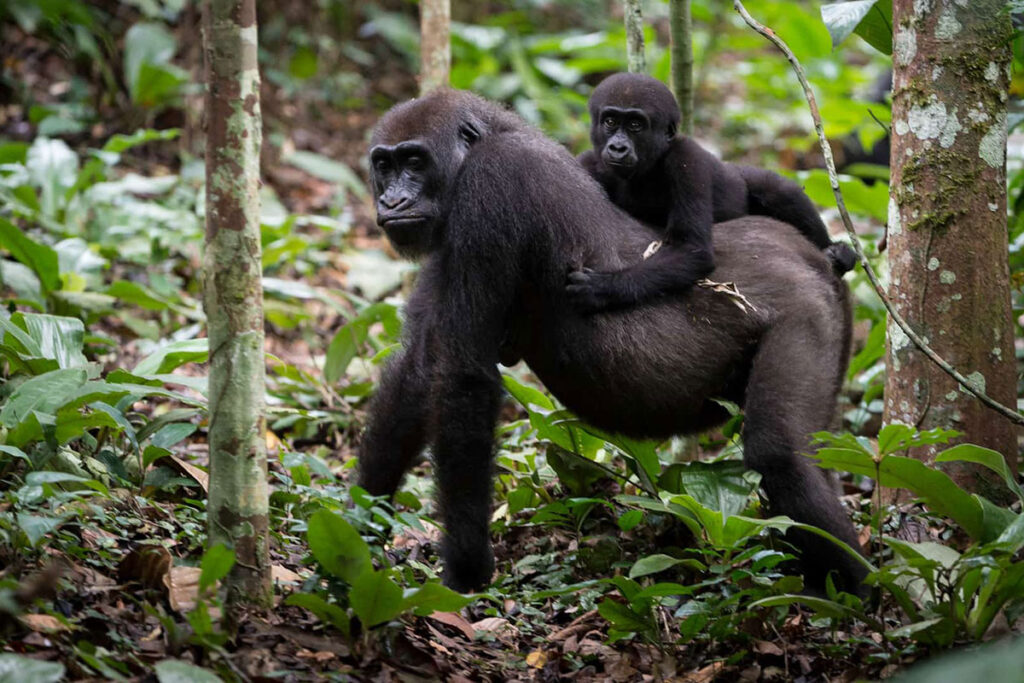
Odzala-Kokoua National Park – Western Lowland Gorillas, Forest Elephants, Bais, Rainforest Rivers and the Untamed Heart of the Congo Basin
Odzala-Kokoua National Park is one of Africa’s greatest rainforest wildernesses—a vast and ancient ecosystem in the Republic of Congo that lies at the heart of the Congo Basin, the world’s second-largest tropical rainforest after the Amazon. Spanning roughly 13,600 km², the park is a sanctuary for western lowland gorillas, elusive forest elephants, bongos, forest buffalo, sitatunga antelopes, chimpanzees and countless rare species of birds, reptiles and amphibians. Its remarkable landscapes include dense evergreen rainforest, mineral-rich forest clearings known as bais, swamp forests, flooded forests, Marantaceae thickets and clear-water rivers that wind through deep, undisturbed wilderness. Odzala-Kokoua is one of the most biologically significant protected areas in Africa and one of the few places on Earth where travelers can experience the Congo Basin’s wildlife in an intimate, immersive and truly wild setting.
Established in 1935, Odzala is one of Africa’s oldest national parks, renowned for its pristine ecosystems and extraordinary biodiversity. Its location within the Sangha Trinational landscape—shared with Nouabalé-Ndoki National Park in Congo, Lobéké National Park in Cameroon and Dzanga-Sangha Reserve in the Central African Republic—forms a UNESCO World Heritage Site of global ecological importance. This massive transboundary conservation area protects millions of hectares of intact rainforest and supports some of the largest populations of western lowland gorillas and forest elephants remaining on the planet.
Location, Size and Geographic Setting
Odzala-Kokoua National Park lies in the remote Cuvette-Ouest region of northwestern Republic of Congo. Its immense size and low human population density create a rare refuge where nature dominates and wildlife roams freely across international borders. The park forms part of a continuous rainforest corridor that stretches across Congo, Cameroon and the Central African Republic, ensuring genetic diversity and ecological resilience for key species like gorillas and elephants.
- Area: Approximately 13,600 km²
- Coordinates: Northwestern Republic of Congo, within the Congo Basin
- Elevation: 300–800 meters above sea level
- Ecosystem: Primary rainforest, flooded forest, swamp forest, savanna pockets and bais
The park’s remoteness has protected it from large-scale deforestation seen elsewhere in Central Africa. Visitors who venture into Odzala encounter untouched rainforest landscapes that feel primordial—immense canopies, cathedral-like groves, labyrinths of vines, and hidden clearings where animals gather in timeless patterns.
Geology and Landscape Formation
Odzala-Kokoua’s landscape is shaped by ancient Precambrian geological formations overlain by deep layers of lateritic and alluvial soils. Over millennia, rainfall, erosion and river systems carved rolling hills, valleys, swamps and floodplains that support the park’s rich vegetation and wildlife.
- Lateritic soils: Rich in minerals and formed by tropical weathering, they support tall rainforest vegetation.
- Alluvial floodplains: Fertile areas deposited by seasonal river flooding.
- Swamp depressions: Peat-rich wetlands that retain water year-round.
- Bais: Natural mineral clearings created by soil composition, hydrology and elephant disturbance.
The bais are among the most distinctive features of Odzala-Kokoua. They appear as open, marshy patches within dense forest where wildlife gathers to access mineral-rich soils essential for digestion and health. Elephant trails, generations old, connect these bais and serve as natural wildlife highways that also guide forest buffalo, gorillas, sitatunga and a host of other species.
Climate and Seasonal Cycles
Odzala-Kokoua experiences a humid equatorial climate with high rainfall, constant humidity and stable temperatures. Its climate supports evergreen forests and makes the park a year-round wildlife habitat, although seasonal variations influence animal behavior, fruiting cycles and water levels.
- Rainy seasons: March–May and September–November
- Drier seasons: December–February and June–August
- Temperature range: 21°C–30°C
- Annual rainfall: 1,500–2,000 mm
During the rainy seasons, flooded forests expand, amphibian activity increases and fruiting trees attract gorillas and monkeys. The drier months expose more mineral licks in the bais and improve visibility for wildlife observation, particularly for elephants and buffalo. These dynamic seasonal shifts shape the rhythm of life throughout the park and maintain the productivity of its ecosystems.
Hydrology – Rivers, Flooded Forests and Swamps
Water defines much of Odzala-Kokoua’s ecological identity. The park is interlaced with rivers, streams, swamps and seasonally flooded forests, creating a complex hydrological system that sustains abundant plant and animal life.
- Major rivers: Mambili River, Lékoli River, Kokoua River
- Flooded forests: Inundated during rains and home to aquatic vegetation
- Permanent swamps: Support sitatunga, frogs and wetland birds
- Bais: Waterlogged clearings with mineral-rich soils
The rivers are remarkably clear in many areas—an unusual quality for rainforest rivers—allowing glimpses of fish, submerged branches and sandy bottoms. These waterways serve as vital corridors for wildlife and offer immersive canoeing experiences that reveal hidden corners of the forest where animals come to drink or cross. During high water, the forest transforms into a semi-aquatic environment, creating habitats for rare species like dwarf crocodiles and African finfoot.
Ecosystems and Habitat Diversity
Odzala-Kokoua is one of the most ecologically diverse national parks in Africa. Its habitats support thousands of species adapted to different microclimates and resource zones. The interplay between rainforest, swamp forest, bais and savanna pockets creates a mosaic of life that shifts with rainfall, soils and wildlife movement.
- Primary rainforest: Multi-layered canopies with lianas, epiphytes and towering emergent trees.
- Marantaceae forests: Dominated by Haumania and Marantochloa species used by gorillas for nesting.
- Swamp and flooded forests: Waterlogged areas rich in palms and aquatic plants.
- Forest–savanna ecotone: Transition zones supporting unique species.
- Bais: Wildlife-rich mineral clearings offering rare visibility.
The Marantaceae forests are particularly important for western lowland gorillas and are highly productive plant communities, providing continuous food sources in the form of leaves, stems and shoots. Forest elephants, the park’s landscape architects, shape these ecosystems by opening trails, dispersing seeds and clearing vegetation.
Flora – Rainforest Vegetation and Botanical Diversity
The flora of Odzala-Kokoua reflects the Congo Basin’s global importance as a center of plant diversity. The park contains thousands of species, including towering canopy trees, thick understory herbs, ferns, orchids, vines and palms.
- Large canopy trees: Gilbertiodendron, Entandrophragma, Terminalia, Celtis
- Marantaceae plants: Key nesting and feeding plants for gorillas
- Palms: Raffia and other wetland species
- Understory flora: Lianas, shrubs, ferns and shade-loving herbs
- Floral epiphytes: Mosses, lichens and orchids
These plant communities store vast amounts of carbon, regulate local climate, protect soils from erosion and create habitats for thousands of animal species. The complexity of vegetation layers provides food and shelter for insects, birds, mammals and amphibians, forming one of the most intricate ecological networks in Africa.
Wildlife of Odzala-Kokoua National Park
Few parks in Africa can match Odzala-Kokoua’s wildlife diversity. It supports an extraordinary array of species—from western lowland gorillas to giant pangolins, from shy sitatunga antelopes to forest elephants that quietly emerge into bais at dusk. The dense rainforest makes direct wildlife sightings challenging, but the park’s bais and rivers reveal a hidden world few visitors ever forget.
Western Lowland Gorillas
Western lowland gorillas are the crown jewel of Odzala-Kokoua. The park is home to one of the largest remaining populations in the world, a vital stronghold for this critically endangered species. Tracking these gorillas is a highlight of any visit, made possible by long-term habituation programs involving highly trained trackers who understand gorilla movement, nesting patterns and feeding cycles.
Unlike mountain gorilla trekking, which involves steep climbs, lowland gorilla tracking takes visitors through thick forest, swamps, Marantaceae thickets and open clearings. Gorillas in Odzala feed on a wide variety of leaves, fruits, stems and bark, shifting their diet with seasonal fruit availability. Their nests—constructed daily from fresh vegetation—reveal patterns of movement and family structure, providing insight into their social dynamics.
Forest Elephants
Forest elephants are among the most fascinating and important species in Odzala-Kokoua. Smaller and more elusive than their savanna relatives, they move silently through dense vegetation and leave behind well-worn trails that interconnect bais and feeding areas. At bais, elephants gather in family groups to ingest mineral-rich soils that aid in digestion and detoxification.
These elephants play a crucial role in shaping the rainforest. As they feed, they clear paths, disperse seeds over long distances and create small forest gaps that allow light to reach lower vegetation layers. Their presence helps maintain the biodiversity and structure of the Congo Basin’s rainforests.
Forest Buffalo, Bongos and Sitatunga
Odzala is one of the best places in Africa to observe forest buffalo—a smaller, reddish version of the savanna buffalo. These buffalo are highly adapted to rainforests and often appear in bais alongside elephants, monkeys and a variety of antelope species.
Sitatunga antelope, with their splayed hooves and excellent swimming abilities, thrive in the park’s swamp forests and flooded areas. Bongos—the largest and one of the most beautiful forest antelopes—roam deep inside the rainforest and occasionally appear in bais, though sightings are rarer due to their preference for quiet, undisturbed areas.
Other Mammals
The park protects more than 100 species of mammals, including:
- Chimpanzees
- De Brazza’s monkeys
- Guereza colobus monkeys
- Mandrills (in low densities)
- Leopards
- Congo clawless otters
- Giant pangolins
- Brush-tailed porcupines
Because these animals are adapted to dense vegetation, many are more easily detected by sound than sight. Gorilla beats on buttress roots, elephant rumbles, insect hums and monkey calls echo through the canopy, signaling the presence of life within the forest’s shadows.
Birdlife
With over 440 bird species, Odzala-Kokoua is one of Central Africa’s richest birding destinations. Its diverse habitats support an extraordinary variety of species, from forest specialists to riverine and swamp birds.
- African grey parrots
- Great blue turacos
- White-crested tiger heron
- African finfoot
- Yellow-billed barbets
- Kingfishers
- Forest hornbills
Birdwatching around rivers and bais is particularly rewarding, as open spaces improve visibility and attract species that are rarely seen deep in the forest.
Reptiles, Amphibians and Insects
Odzala-Kokoua hosts a remarkable variety of reptiles and amphibians adapted to the rainforest’s humid environment. Dwarf crocodiles inhabit flooded forests and swamps, while Nile crocodiles patrol larger rivers. Frogs, toads and salamander-like caecilians thrive in moist leaf litter and near water bodies.
Insects form the foundation of many food webs in the park. Butterflies flutter through sunlit patches, beetles decompose fallen logs and ants play vital roles in nutrient cycling. The Congo Basin is home to some of the most diverse insect communities on Earth, and Odzala preserves many of these beautifully complex systems.
Unique Features – Bais, Rainforest Rivers and Immersive Wilderness
Odzala-Kokoua is unlike any other rainforest park in Africa, largely due to its bais—open clearings created by natural waterlogging and mineral soils. These clearings act as wildlife theaters where animals gather daily to dig for minerals, drink, bathe and socialize. In an environment where forests are dense and visibility limited, bais allow visitors to watch wildlife interactions normally hidden from sight.
The park’s rivers offer another unique experience. Canoeing along clear-water channels gives travelers an intimate, quiet approach to wildlife viewing. Birds perch low on branches, monkeys leap across vines and elephants occasionally emerge from the forest to drink at the water’s edge.
- Bais: Wildlife-rich clearings perfect for observation and photography.
- River safaris: Peaceful journeys through pristine rainforest corridors.
- Night walks: Reveal nocturnal species rarely seen during the day.
- Canopy acoustics: Dawn and dusk symphonies of birds, primates and insects.
Cultural and Indigenous Communities
The communities surrounding Odzala-Kokoua include the Mboko, Bakola and Baka Indigenous groups, each with deep ancestral ties to the forest. Their livelihoods traditionally depend on hunting, gathering, fishing and the use of medicinal plants. These communities possess profound ecological knowledge passed down through generations—knowledge that remains invaluable for conservation and sustainable resource management.
Collaborative conservation programs train local residents as eco-guards, trackers and research assistants. Cultural experiences allow visitors to learn about traditional forest skills, music, rituals and subsistence practices that reflect centuries of coexistence between communities and the forest.
Conservation Importance
Odzala-Kokoua’s conservation significance cannot be overstated. It is one of the most important protected areas in the world for western lowland gorillas, forest elephants and numerous forest species. Its ecosystems store immense amounts of carbon, regulate regional climate and support watersheds that millions of people rely on.
- Critical stronghold for western lowland gorillas
- Part of the UNESCO-listed Sangha Trinational landscape
- Vital refuge for forest elephants
- Supports rare and endemic plant species
- Key area for global climate stabilization
The park’s intact rainforests help mitigate climate change by storing carbon and producing rainfall essential for regional agriculture. Protecting Odzala-Kokoua is essential not only for biodiversity but for the ecological health of the entire Congo Basin.
Threats and Environmental Challenges
- Poaching: Historically a major threat, particularly for elephants and gorillas.
- Habitat encroachment: Expanding agriculture near park boundaries.
- Illegal logging: A broader Congo Basin challenge.
- Ebola and diseases: Past outbreaks impacted gorilla populations.
- Climate change: Altering rainfall cycles and river levels.
Modern conservation strategies focus on anti-poaching patrols, community engagement, scientific monitoring and sustainable tourism. These efforts help maintain Odzala’s ecological integrity and safeguard its wildlife.
Research and Monitoring Programs
Odzala-Kokoua is a major research center for tropical ecology and primatology. Scientists study gorilla behavior, elephant movements, forest dynamics, climate impacts and biodiversity patterns using both traditional and cutting-edge methods.
- Gorilla habituation research: Long-term studies on troop behavior and health.
- GPS elephant tracking: Mapping migration routes and identifying key corridors.
- Camera trapping: Documenting elusive species like leopards and pangolins.
- Vegetation surveys: Monitoring forest regeneration and climate resilience.
- Acoustic monitoring: Studying vocal communication in primates and birds.
These programs deepen scientific understanding of rainforest ecosystems and support evidence-based conservation policies.
Tourism Activities in Odzala-Kokoua National Park
- Gorilla tracking: Follow habituated western lowland gorilla families.
- Bai observation: Watch elephants, buffalo and sitatunga interact in mineral-rich clearings.
- Forest walks: Explore dense rainforest with expert trackers.
- River canoeing: Quiet access to wildlife in pristine river systems.
- Night walks: Reveal a different world of nocturnal insects and mammals.
- Birdwatching: Exceptional sightings along rivers and open forest edges.
Visitor numbers are intentionally low, ensuring minimal ecological impact and intimate wildlife encounters.
Access – How to Reach Odzala-Kokoua
- By Air: Charter flights from Brazzaville to airstrips near the park.
- By Road: Long overland routes pass through remote villages and forest zones.
- By Regional Entry: Access from Cameroon or CAR through the Sangha Trinational landscape.
Due to its remote nature, most visitors arrive via charter flights arranged through safari operators or lodge partners.
Permits and Park Regulations
- Gorilla tracking permits required and arranged through lodges or park authorities.
- Strict health protocols for gorilla viewing.
- No off-trail walking except with authorized guides.
- No feeding or disturbing wildlife.
- No removal of plants or natural materials.
Accommodation Options
- Ngaga Camp: Base for gorilla tracking and forest hikes.
- Lango Camp: Overlooks a bai and offers premium wildlife viewing.
- Mboko Camp: Riverside lodge with access to river safaris and savanna walks.
These lodges provide expertly guided experiences with sustainable practices at the forefront of their operations.
Best Time to Visit Odzala-Kokoua National Park
- June–October: Coolest months with excellent wildlife viewing.
- December–February: Another ideal period for gorilla tracking.
- March–May & September–November: Wetter seasons with dramatic rainforest scenery.
While wildlife viewing is excellent year-round, the drier months offer the most comfortable trekking conditions and increased visibility at bais.
Why Odzala-Kokoua National Park Is Unique
Odzala-Kokoua National Park is one of the most extraordinary rainforest destinations in the world. Its mineral-rich bais, clear-water rivers and towering rainforests create unforgettable wildlife experiences, while its populations of western lowland gorillas and forest elephants make it one of the most important refuges for endangered species. The park offers visitors a rare journey into a wild, ancient ecosystem where nature still reigns supreme.
Whether watching elephants emerge silently from mist-filled forest edges, following gorilla families through Marantaceae thickets or paddling along clear-water rivers surrounded by birdsong, Odzala-Kokoua delivers deep, immersive encounters with the Congo Basin’s last great wilderness. It is a protected area of global significance and one of the most enchanting and irreplaceable destinations in all of Africa.