
Mountain Zebra National Park
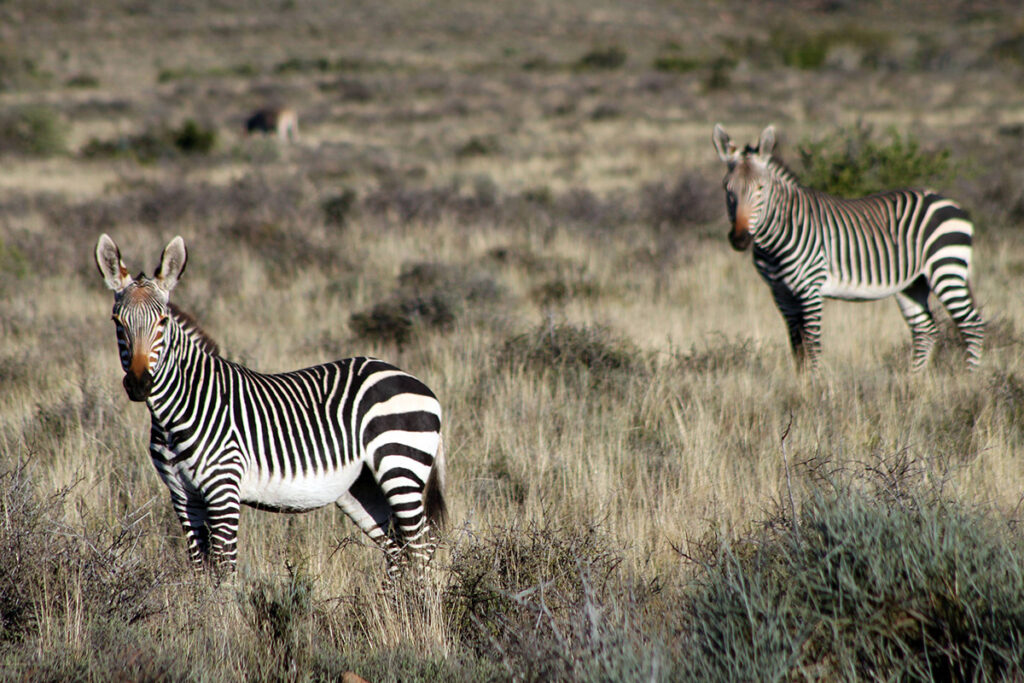
Mountain Zebra National Park, South Africa – Cape Mountain Zebra Refuge, Karoo Grasslands, Towering Plateaus and a Landmark Conservation Success
Mountain Zebra National Park is one of South Africa’s greatest wilderness treasures, a protected landscape where dramatic mountain plateaus, sweeping Karoo grasslands, deep valleys and rugged sandstone cliffs come together to form a rich, living sanctuary for wildlife. Established in 1937 and expanded over the decades, the park lies just outside Cradock in the Eastern Cape and covers approximately 284 km². Its most celebrated achievement is the remarkable recovery of the Cape mountain zebra, a species that once teetered on the brink of extinction but now thrives across the plains and slopes of this striking reserve.
This fully expanded guide offers an in-depth exploration of Mountain Zebra National Park’s history, geography, geology, ecosystems, climate, hydrology, vegetation, wildlife, cultural significance, research programs, visitor experiences and practical travel information. Every section has been enriched to provide a complete, immersive understanding of one of South Africa’s most inspiring conservation landscapes.
Historical Background – The Rescue of a Species
When Mountain Zebra National Park was proclaimed in 1937, fewer than 30 Cape mountain zebras remained in the Cradock region. Hunting, habitat loss and competition with domestic livestock had devastated their numbers. The park’s early years were spent simply keeping the last surviving herd safe, but the landscape itself was small and fragile, limiting the potential for long-term growth. Over time, however, additional land purchases expanded the park’s borders, creating more space for natural grazing and genetic diversity.
As the park grew, conservationists introduced new management practices, improved water distribution, implemented vegetation restoration and engaged local communities in conservation. The shift from crisis management to proactive ecological stewardship allowed the zebra population to flourish. Today, Mountain Zebra National Park holds one of the largest and healthiest populations of Cape mountain zebras in existence, making it a global example of what long-term protection can achieve.
Geology and Landscape – A Sculpted Karoo Masterpiece
The landscape of Mountain Zebra National Park is shaped by ancient geological forces that created towering plateaus, dolerite-capped ridges, sandstone cliffs and vast plains. The park sits where the Nama Karoo biome meets the more rugged, mountainous terrain of the Bankberg range. Millions of years of erosion carved valleys and exposed layers of shale and sandstone, while dolerite intrusions formed elevated mesas with sheer cliff faces.
These dramatic landforms do more than define the park’s scenery—they influence vegetation growth, create microclimates, direct water flow and provide habitats for birds of prey, small mammals and cliff-dwelling species. For visitors, the geological variety adds depth and visual richness, with sweeping views from high plateaus and sheltered valleys that change with each season.
- Country: South Africa
- Province: Eastern Cape
- Area: 284 km²
- Established: 1937
Climate and Seasonal Patterns
Mountain Zebra National Park experiences a semi-arid climate, with warm summers, crisp winters and dramatic temperature differences between day and night. Its higher elevations mean cooler temperatures than the surrounding Karoo plains, and winter frost is common. Rainfall typically arrives in summer thunderstorms, transforming dry plains into lush grazing lands almost overnight.
- Summer (Dec–Mar): Hot days, afternoon thunderstorms, green landscapes and active predators.
- Winter (Jun–Aug): Clear, cold nights; snow can fall on the peaks; excellent visibility for wildlife-viewing.
- Spring (Sep–Nov): Blooming flowers, moderate temperatures and newborn wildlife.
- Autumn (Apr–May): Stable weather, warm days and excellent hiking conditions.
Seasonal shifts dramatically influence animal movement, plant growth and visitor experiences. During summer, storm clouds roll across the plains, creating dramatic skies, while winter’s cold air offers crisp, photogenic landscapes.
Hydrology – Springs, Rivers and Waterholes
Although the region is relatively dry, the park’s mountainous terrain contains several springs, seeps and seasonal streams that provide essential water to wildlife. The Brak River and Wilgerboom River run through or near the park, feeding riparian corridors where lush vegetation contrasts sharply with the dry plains.
Artificial dams and waterholes supplement natural sources, ensuring that animals can access water during prolonged dry periods. Seasonal marshes form in lower valleys after storms, attracting frogs, insects, waterbirds and herbivores. These temporary wetlands, although fleeting, play a major ecological role in sustaining biodiversity during the rainy season.
Ecosystems and Habitat Diversity
Mountain Zebra National Park contains a remarkable variety of ecosystems for its size, each shaped by geology, altitude, moisture and temperature. This habitat diversity supports wildlife ranging from tiny insects to apex predators, and it helps maintain ecological resilience across the reserve.
- Nama Karoo Shrubland: Dominant on lower plains with hardy shrubs and sparse grasses; essential forage during dry months.
- High-Altitude Grasslands: Situated on plateaus and ridges; vital grazing grounds for zebras, wildebeests and antelope.
- Riverine Woodland: Moist, shady corridors along streams with wild olive, acacia and dense undergrowth.
- Rocky Outcrops: Provide nesting sites for raptors and habitats for hyraxes and klipspringers.
- Mountain Slopes: Contain cool microclimates that support unique grasses and occasional fynbos elements.
The interplay between these habitats creates corridors for wildlife movement, refuges for sensitive species, and varying food sources throughout the year.
Fire Ecology and Grassland Renewal
Fire is a natural and essential force in Mountain Zebra National Park. Periodic burns stimulate grass regrowth, control encroaching shrubs, reduce excess dry biomass and maintain open plains favored by zebras and other grazers. SANParks uses controlled burns to mimic historical fire patterns, ensuring vegetation remains healthy and diverse.
Without fire, woody plants would gradually dominate grasslands, reducing habitat suitability for grazers and altering the entire ecosystem. By carefully managing burn intervals and intensity, the park supports a dynamic, regenerating landscape that continues to benefit wildlife and maintain ecological balance.
Vegetation and Flora
The flora of Mountain Zebra National Park reflects the harsh, variable climate of the Karoo and the cooler, wetter conditions of higher elevations. Plants have adapted through deep root systems, drought-resistant leaves, seasonal growth cycles and flowering timed to rainfall events.
- Grasses: Red grass, wire grass, sweetveld species and Karoo drought-resistant grasses.
- Dwarf Shrubs: Karoo bossies, Searsia species and aromatic shrubs like wild rosemary.
- Succulents: Aloe ferox, spekboom and stone plants that store water.
- Riparian Vegetation: Wild olive, jacket plum and sweet thorn trees.
- Spring Bulbs: Gladiolus, ixia and various ephemeral flowers emerging after rains.
After summer showers, entire hillsides erupt in floral displays—purple, yellow and orange blooms carpeting the Karoo floor, drawing insects and nectar-feeding birds from across the region.
Wildlife of Mountain Zebra National Park
The park supports a thriving mixture of herbivores, carnivores, birds and smaller mammals thanks to restored habitats and careful conservation management. Herbivore herds graze the plains, while predators roam the valleys and plateaus, creating a dynamic wildlife system.
Cape Mountain Zebra – A Conservation Icon
The Cape mountain zebra is the park’s signature species—a striking animal with bold black-and-white stripes, a loose throat fold and an upright mane. Unlike the more common Burchell’s zebra, the Cape mountain zebra is smaller, more agile and adapted to rocky, mountainous terrain. Visitors frequently see them grazing on high plateaus, descending slopes in family groups or moving gracefully across open grasslands.
Mammals
- Lion (reintroduced to restore natural predator dynamics)
- Cheetah (successfully reintroduced and often tracked on foot)
- Black rhinoceros
- Buffalo
- Eland
- Red hartebeest
- Blesbok
- Oryx (gemsbok)
- Springbok
- Mountain reedbuck
- Grey rhebok
- Kudu
- Steenbok
- Hyraxes on rocky cliffs
- Bat-eared fox
Predator-prey relationships have become healthier and more natural since lions and cheetahs were reintroduced. Cheetahs use open plains to stalk prey, while lions influence herbivore movement across valleys, maintaining ecological balance and preventing overgrazing in sensitive areas.
Birdlife – Raptors, Grassland Species and Karoo Specials
With over 200 recorded species, the park offers rich birding opportunities in every season. High cliffs provide ideal nesting sites for Verreaux’s eagles, while open grasslands support secretarybirds, korhaans and cranes. Riparian zones attract sunbirds, doves, kingfishers and migratory species.
- Verreaux’s eagle
- Secretarybird
- Blue crane
- Black harrier
- Jackal buzzard
- Karoo korhaan
- Ground woodpecker
- Cape vulture
- Ant-eating chat
- Sunbirds in flowering seasons
Summer is excellent for birding because seasonal migrants arrive after rains, while winter’s clear air provides perfect visibility for spotting soaring raptors along rocky ridges.
Reptiles, Amphibians and Insects
- Tortoises and terrapins
- Rock agamas
- Skinks and geckos
- Karoo toads in seasonal wetlands
- Butterflies and dragonflies after rainfall
- Termite mounds supporting soil health
Reptiles are often seen basking on stones, while amphibians emerge after thunderstorms to breed in shallow pools. The increase in insect life during summer supports birds, bats and small mammals.
Unique Features of the Park
- Stronghold for Cape mountain zebras.
- High-altitude plateaus with sweeping Karoo views.
- Dramatic sandstone cliffs and dolerite ridges.
- Restored predator systems with lions and cheetahs.
- San rock art hidden among mountain caves.
- Historic settler farm buildings preserved within the park.
- Seasonal flower blooms after rain.
The blend of wildlife recovery, geological drama, open plateaus and cultural heritage creates a uniquely engaging wilderness experience.
Cultural and Historical Heritage
San hunter-gatherers lived in the region thousands of years ago, leaving rock paintings that depict animals, people, hunting scenes and spiritual symbols. These artworks provide insight into ancient lifeways and form one of the park’s most important cultural treasures.
European settlers later established farms in the 1800s, building stone walls, cottages and livestock enclosures. Some of these structures have been restored and incorporated into the tourism experience, highlighting the region’s layered history of human interaction with the land.
Conservation Importance
Mountain Zebra National Park plays a crucial role in regional and national conservation efforts:
- It protects the core population of the Cape mountain zebra.
- It maintains ecological corridors for cheetahs, lions and herbivores.
- It safeguards rare Karoo grasslands and high-altitude ecosystems.
- It contributes to black rhino conservation and anti-poaching efforts.
- It preserves geological, botanical and cultural heritage.
The park’s success demonstrates how long-term habitat protection and species management can revive threatened ecosystems and restore ecological integrity.
Threats and Environmental Pressures
- Prolonged drought cycles affecting herbivore populations.
- Potential overgrazing if herbivore numbers exceed carrying capacity.
- Genetic bottleneck risks for Cape mountain zebras without ongoing monitoring.
- Invasive shrubs affecting grassland regeneration.
- Human-wildlife conflict potential outside park borders.
Active management programs—including population monitoring, controlled burns, predator tracking and invasive species control—help mitigate these threats and maintain ecological balance.
Research and Monitoring Programs
The park is a scientific hub for long-term ecological studies and wildlife research. Key programs include:
- Cape mountain zebra genetic diversity monitoring.
- Cheetah and lion tracking using GPS collars.
- Vegetation surveys, fire ecology studies and habitat mapping.
- Camera trap biodiversity monitoring.
- Bird population monitoring across habitats.
- Black rhino tracking and anti-poaching programs.
Research findings guide management decisions and help maintain ecological stability, ensuring that the park remains healthy for future generations.
Tourism Activities and Visitor Experience
- Game Drives: Scenic routes through grasslands, valleys and plateaus.
- Cheetah Tracking: Guided tracking of collared cheetahs on foot.
- Hiking Trails: Black Eagle Trail, Dassie Trail and Cradock Peak routes.
- 4×4 Routes: Challenging mountain routes with panoramic views.
- Photography: Ideal for landscapes, zebras, predators and sunsets.
- Birdwatching: Raptors, cranes, korhaans and Karoo specials.
Rooiplaat Plateau is one of the best viewpoints in the park, offering expansive vistas of rolling hills, grasslands and distant mountains. The area is especially beautiful at sunrise and sunset when golden light washes over the plains.
Night Sky and Atmosphere
The Karoo is famous for its deep, dark night skies, and Mountain Zebra National Park offers exceptional stargazing. With almost no light pollution, the Milky Way arcs clearly overhead, and winter nights reveal thousands of stars visible to the naked eye. Night sounds—jackal calls, rustling grass and soft winds across the slopes—create a serene and immersive atmosphere.
Access – How to Reach the Park
- By Road: The park is 12 km from Cradock and easily reached via the N10 and R61.
- By Air: Gqeberha (Port Elizabeth) Airport is the closest major airport.
- Internal Roads: Mostly accessible with sedans; 4×4 recommended for mountain routes.
- Gate Hours: Typically sunrise to sunset, varying by season.
Clear signage, reliable roads and well-maintained tracks make the park ideal for self-drive exploration.
Permits and Park Rules
- Entry fees payable at the gate or online.
- No off-road driving.
- Stay inside your vehicle except in designated areas.
- No feeding or approaching wildlife.
- Fires allowed only in authorized facilities.
- Follow all instructions during guided activities.
These rules protect both visitors and wildlife, ensuring safe and memorable experiences for everyone.
Accommodation Options
- Main Rest Camp: Comfortable chalets and cottages with scenic views.
- Mountain Cottages: Remote stone cottages perfect for solitude and stargazing.
- Campsite: Well-equipped site with power, ablutions and shade.
The park’s accommodation blends comfort with nature immersion, allowing guests to enjoy peaceful Karoo nights surrounded by wildlife.
Best Time to Visit
- Spring: Flower blooms and newborn wildlife.
- Summer: Green landscapes, predator activity and dramatic skies.
- Autumn: Excellent visibility and mild temperatures.
- Winter: Crisp air, snow on peaks and clear photography conditions.
Each season offers unique scenery, making Mountain Zebra National Park a rewarding destination year-round.
Why Mountain Zebra National Park Is Unique
Mountain Zebra National Park stands apart for its powerful conservation story, dramatic Karoo mountain landscapes, thriving Cape mountain zebra population and restored predator systems. Its blend of high-altitude grasslands, towering cliffs, cultural heritage sites, scenic driving routes and diverse wildlife creates an experience unlike any other park in South Africa.
Whether tracking a cheetah across an open plain, watching zebras graze on windswept ridges, exploring ancient rock art or stargazing under crystal-clear skies, visitors encounter a rare blend of beauty, history and wilderness that makes Mountain Zebra National Park truly exceptional.