
Mudumu National Park
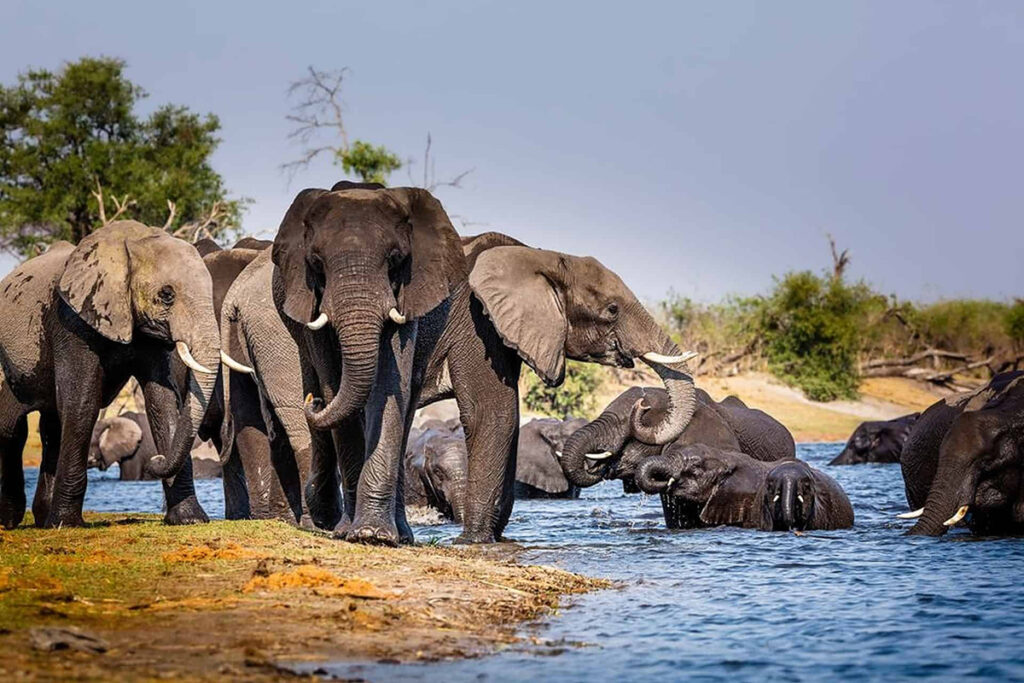
Mudumu National Park, Namibia – Kwando River Floodplains, Wetland Safaris, Wildlife Migration Corridors and Birding Paradise in the Zambezi Region
Mudumu National Park in the Zambezi Region of north-eastern Namibia is one of the country’s most underrated safari destinations, offering a lush, river-fed wilderness that sharply contrasts with Namibia’s better-known deserts. Established in 1990, the park spans roughly 737 km² and forms a vital core of the Kavango-Zambezi Transfrontier Conservation Area (KaZa TFCA), the world’s largest multi-country conservation landscape. Its mosaic of mopane woodlands, palm-fringed floodplains, oxbow lagoons and meandering water channels creates one of Namibia’s richest wildlife sanctuaries. For travelers seeking a peaceful, uncrowded safari filled with wildlife sightings, extraordinary birdlife, cultural encounters and an authentic wilderness atmosphere, Mudumu National Park remains one of the top emerging destinations in southern Africa.
Because Mudumu lies along the perennial Kwando River and within an unfenced transboundary ecosystem, it receives constant wildlife movement. Herds of elephants, buffalo, plains game and predators move through the region in response to seasonal floods, giving visitors a chance to witness natural migration patterns rarely seen in other compact parks. Combined with over 430 bird species recorded in the region, Mudumu’s combination of wetland diversity, uninterrupted river frontage and raw wilderness scenery make it a prime location for birding, photography, wildlife research and immersive river-based safaris.
Overview of Mudumu National Park
Mudumu National Park is an important link in Namibia’s northeastern chain of protected areas, which includes Bwabwata, Nkasa Rupara, Khaudum and Mangetti National Parks. The absence of boundary fences allows wildlife such as elephants, lions, spotted hyenas and leopards to roam freely across international borders. This natural connectivity enhances genetic diversity and maintains ancient migration corridors that stretch from Botswana’s Linyanti and Chobe wetlands to Angola’s woodlands and Zambia’s floodplains. Mudumu acts as one of the most reliable water-and-grazing stopovers along this journey, making it a high-value conservation zone and a magnet for wildlife.
- Exceptional elephant and buffalo viewing along the Kwando River floodplains.
- Healthy populations of predators including lion, leopard and hyena.
- Over 430 bird species, making it a premier destination for birdwatchers.
- A unique combination of wetlands, woodlands and open grasslands within a compact area.
Location in Namibia and Regional Context
Mudumu National Park is located in the heart of the Zambezi Region, a narrow strip of land that links Namibia to Angola, Zambia and Botswana. Positioned about 35 km south of Kongola along the C49 (D3511) road, the park is easily accessible yet remains remote enough to retain a pristine wilderness feel. The Kwando River forms the western boundary, while to the east and south, the park is surrounded by communal conservancies where traditional communities and wildlife coexist.
Being centrally positioned within the KaZa TFCA gives Mudumu enormous ecological value. The park helps maintain open migratory pathways for elephants, sable antelope, roan antelope and predators. Its wetlands and riverine forests serve as feeding areas during dry periods and provide refuge during droughts, ensuring continuity of wildlife movement on a landscape scale. Mudumu’s location also makes it a strategic safari stop for travelers connecting Namibia, Botswana and Zambia through self-drive or guided safari circuits.
Geography and Landscapes
Mudumu National Park is dominated by a wide, flat landscape shaped by ancient river systems and current wetland dynamics. One of the most striking geographical features is the Mudumu Mulapo, a large fossil river channel that bisects the park. This seasonal depression transforms from dry grassland in the winter to shallow wetlands in the rainy season, attracting antelope, buffalo and elephants when fresh grasses emerge.
The western section is defined by the perennial Kwando River, whose annual flooding cycles create a shifting network of channels, backwaters, oxbow lagoons and floodplains. These dynamic aquatic systems support lush vegetation, abundant fish populations and excellent habitat for hippos, crocodiles, aquatic birds and wetland specialists. The interior of the park is drier, carpeted by mopane woodlands and tall grasses that shelter antelope, giraffes, predators and smaller mammals. This mix of ecosystems within a compressed space is one of Mudumu’s most exceptional ecological attributes.
Climate of Mudumu National Park
Mudumu experiences a subtropical climate with well-defined wet and dry seasons that shape wildlife behavior and safari conditions. The rainy season runs from December to March, bringing 550–700 mm of rainfall, transforming dry valleys into vibrant wetlands. During these months, the Kwando River swells, floodplains fill, vegetation becomes lush and breeding activity peaks for birds, amphibians and insects.
From May to October, the dry season takes over. Daytime temperatures are warm, while nights can be cool and comfortable. The vegetation thins out, water becomes scarce away from the river, and wildlife congregates in predictable patterns around the Kwando and permanent pools. These months offer the best visibility for game drives and photography. However, visitors should note that the Zambezi Region is a malaria area year-round, especially after rainfall, making mosquito precautions essential.
Hydrology and Wetland Systems
Hydrologically, Mudumu is sustained by the powerful Kwando River, one of the Zambezi basin’s major tributaries. The river flows year-round, fed by rainfall from Angola’s highlands. Seasonal flooding shapes the entire park, creating deep channels, marshlands and temporary pools that act as nurseries for fish, reptiles and amphibians. The presence of permanent water year-round is what makes Mudumu one of Namibia’s most wildlife-rich zones.
The river’s annual flood cycle produces a patchwork of habitats crucial for biodiversity. Shallow flooded grasslands attract grazers such as red lechwe and buffalo, while the deeper channels and lagoons provide sanctuaries for hippos and crocodiles. When floodwaters recede, they leave behind nutrient-rich mudflats that support fresh plant growth, drawing elephants, warthogs and antelope in large numbers. These ever-changing hydrological systems make Mudumu one of the best wetland safari destinations in Namibia.
Ecosystems and Vegetation
Mudumu National Park features four primary vegetation zones that collectively support some of the highest biodiversity in the Zambezi Region. The mopane woodlands dominate the interior, providing essential food for elephants and shelter for browsers. Mopane trees thrive in the region’s clay-rich soils and often grow in dense clusters that support a wide array of woodland birds, insects and smaller mammals.
Along the Kwando River, lush riverine forests flourish, featuring species such as jackalberry, wild syringa, leadwood and mangosteen. These tall, shady forests attract elephants, monkeys, fruit bats and many forest bird species. Surrounding the river, extensive floodplain grasslands stretch outwards, forming prime grazing habitat for buffalo, lechwe, wildebeest, zebra and other herbivores. Additional patches of mixed woodland and shrub savannah offer transitional habitats for predators, browsers and smaller mammals.
Wildlife of Mudumu National Park
Mammals
Mudumu National Park supports impressive mammal diversity due to its wetland ecosystems and open migratory corridors. Herds of elephants frequently move along the riverbanks, especially in the dry season. Buffalo also thrive in the park, often gathering in large herds near the floodplains. Other large herbivores include hippos, giraffes, eland, sable antelope, red lechwe, sitatunga, zebra, wildebeest, kudu and impala.
Predators such as lions, leopards, spotted hyenas and occasional cheetahs move between Mudumu, Nkasa Rupara, Chobe and Bwabwata. The presence of free-moving wildlife adds unpredictability and excitement to game drives. Smaller mammals like warthogs, jackals, mongooses, civets, genets, baboons and vervet monkeys add to the park’s ecological richness and ensure that visitors encounter wildlife at almost every turn.
Birds
Mudumu is a top-tier birding destination with more than 430 recorded species, making it one of the richest bird habitats in Namibia. The wetlands attract a wide array of aquatic birds such as African skimmers, African pygmy geese, saddle-billed storks, herons, egrets, jacanas and kingfishers. Riverine forests support species like coppery-tailed coucals, palm-thrushes, hornbills, bee-eaters and woodland kingfishers.
Raptors thrive in the open woodlands and riverbanks, including African fish eagles, bateleurs and snake eagles. Migratory birds also use Mudumu as a seasonal stopover, making the green season ideal for birdwatchers seeking rare species. The combination of deep-water channels, mudflats, marshes and forests creates exceptional birding opportunities year-round.
Reptiles, Amphibians and Insects
Mudumu’s reptile population is dominated by Nile crocodiles and several snake species that inhabit the wetlands, grasslands and woodlands. The river and marshes provide ideal breeding and feeding environments for crocodiles, which are commonly seen along riverbanks and lagoons. Amphibians flourish during the rainy season when temporary pools form, attracting frogs and toads that create a lively soundscape at night.
Insects—particularly butterflies, dragonflies, beetles and mosquitoes—are abundant, especially around the wetlands. These insects play essential roles in pollination, nutrient cycling and the broader food chain. Termite mounds dot the landscape and serve as microhabitats for plants and small animals, further enriching the park’s ecological complexity.
Unique Features of Mudumu National Park
- Crucial wildlife migration corridor in the KaZa TFCA.
- Extensive wetlands and floodplains rare in Namibia’s arid landscape.
- Over 430 bird species within a compact wilderness.
- Low visitor density, offering peaceful and exclusive safari experiences.
- Dynamic seasonal habitats shaped by natural flood cycles.
Cultural and Indigenous Communities
Mudumu is bordered by community conservancies such as the Mashi Conservancy, which plays an important role in conservation through Namibia’s acclaimed communal conservancy model. Local communities participate in wildlife management, benefit from tourism income and preserve traditional knowledge linked to the landscape. Visitors often encounter cultural elements such as handcrafted goods, traditional fishing practices and stories about local wildlife, enriching the safari experience.
Conservation Importance
Mudumu National Park is essential for protecting biodiversity in Namibia’s wettest region. By safeguarding riverine forests, floodplains, grasslands and mopane woodlands, the park supports ecosystem services such as water regulation, carbon storage and climate buffering. Mudumu’s unfenced corridors maintain regional wildlife movement and allow migratory species to adapt to shifting environmental conditions.
The park’s conservation value extends beyond borders, contributing to KaZa’s vision of integrating five countries into a unified conservation area where wildlife, communities and tourism coexist sustainably. Mudumu’s strategic location along a perennial river ensures that it remains a key sanctuary during droughts, further emphasizing its regional ecological significance.
Main Threats and Challenges
- Human–wildlife conflict with neighboring communities over crop damage and livestock predation.
- Poaching and illegal wildlife harvesting affecting elephant and antelope populations.
- Uncontrolled bushfires, often started accidentally or for agricultural clearing.
- Climate variability altering flood cycles and water availability.
- Limited resources for monitoring, law enforcement and infrastructure development.
Research, Monitoring and Management Programs
Mudumu participates in ongoing research and monitoring programs in partnership with conservation organizations, universities and regional authorities. These programs include vegetation studies, predator tracking, aerial wildlife surveys, fire management strategies and community engagement initiatives. Data collected from these efforts supports adaptive management and ensures long-term ecological sustainability.
The park also benefits from collaboration with nearby conservancies, allowing for joint law-enforcement patrols, information sharing, sustainable trophy hunting quotas and controlled resource use. These partnerships strengthen conservation outcomes while providing economic opportunities for local residents.
Tourism Activities in Mudumu National Park
- Game Drives: Explore riverbanks, woodlands and grasslands with excellent chances to see elephants, buffalo, predators and plains game.
- Boat Cruises: Seasonal boat trips on the Kwando River offer close views of hippos, crocodiles and aquatic birds.
- Birdwatching: A year-round activity, with peak sightings in the green season.
- Walking Safaris: Guided walks in designated areas provide intimate encounters with flora and smaller fauna.
- Photography: Exceptional opportunities for wetland landscapes, dramatic skies, wildlife behavior and bird portraits.
Access and How to Get There
Mudumu National Park is primarily accessed by road, with the closest major hub being Katima Mulilo. From the B8 highway, travelers turn onto the C49, which runs directly through the park. The road conditions vary seasonally; during the rainy season, some tracks become muddy or flooded, making a 4×4 vehicle essential. Dry-season travelers will find the routes easier to navigate but should still drive cautiously due to wildlife on the roads.
Permits, Park Fees and Regulations
Visitors must obtain permits to enter the park’s interior roads and game-viewing areas. Fees typically apply per person and per vehicle. Regulations include no off-road driving, strict adherence to speed limits, no feeding of wildlife and ensuring that all waste is carried out of the park. Because facilities are limited, visitors must bring sufficient fuel, water, food and emergency supplies.
Accommodation in and Around Mudumu
- Nakatwa Camp: A basic, rustic campsite inside the park offering a wilderness atmosphere.
- Private Lodges: Several upmarket riverside lodges along the Kwando River offering guided activities, boat trips and luxury tented accommodation.
- Conservancy Lodges: Community-owned lodges in neighboring conservancies that combine cultural experiences with safari activities.
Best Time to Visit Mudumu National Park
- Dry Season (June–October): Best wildlife viewing as animals gather near permanent water sources.
- Green Season (November–March): Ideal for birding, photography and lush scenery, though road access can be more challenging.
Why Mudumu National Park Is Unique
Mudumu National Park stands out as one of Namibia’s most unique safari destinations due to its lush riverine forests, floodplains and wetland ecosystems—rare features in a country famous for deserts. The park offers a raw, immersive wilderness experience with low visitor numbers, making it perfect for travelers seeking an authentic, peaceful and wildlife-rich environment. Its role within the KaZa TFCA and its exceptional bird and mammal diversity make Mudumu a must-visit destination for safari enthusiasts, nature photographers, conservation travelers and anyone looking to experience Namibia’s hidden wetlands.