
Mwagna National Park
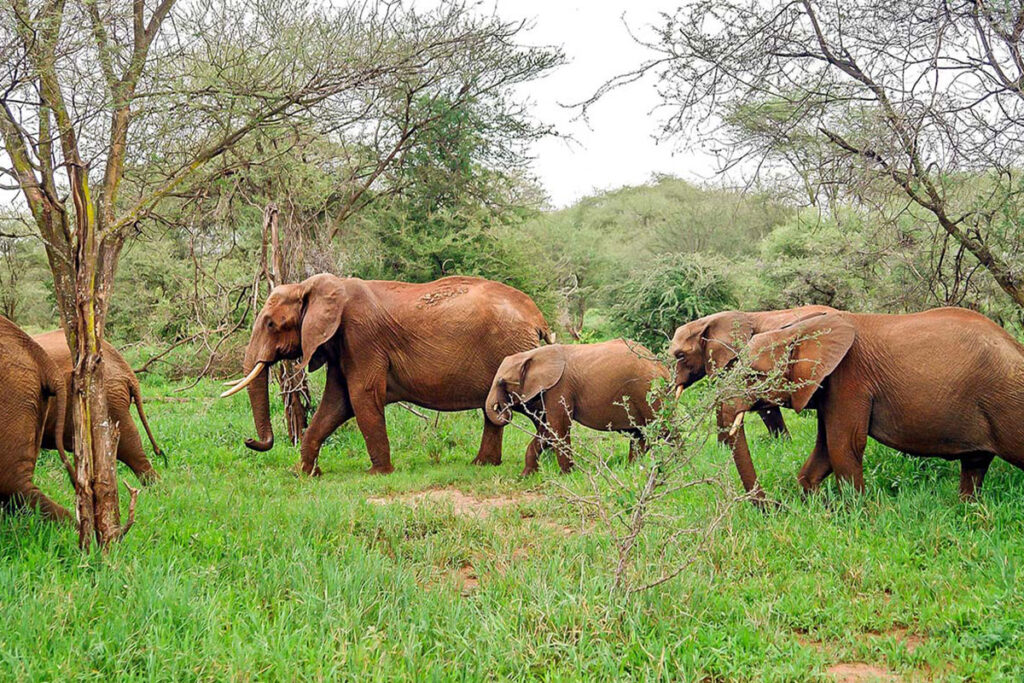
Mwagna National Park, Gabon – Remote Congo Basin Rainforest, Pristine Rivers, Rare Wildlife and One of Africa’s Last True Wilderness Areas
Mwagna National Park is one of the most untouched and least-explored protected areas in Gabon — a vast expanse of pristine tropical rainforest, swampy valleys, mineral-rich forest clearings and river corridors located deep within the Congo Basin. Covering approximately 1,160 km² in the northeastern part of the country, the park was established in 2002 to preserve one of Africa’s most intact rainforest ecosystems. Mwagna remains a hidden gem for conservationists, scientists and adventurous travelers who want to experience a rainforest landscape that is almost entirely untouched by modern development.
The park sits within the heart of the Congo Basin, the world’s second-largest tropical rainforest after the Amazon. Mwagna’s forests are so dense and remote that they have acted as a refuge for endangered species such as western lowland gorillas, forest elephants, chimpanzees, mandrills and forest buffalo. The abundance of wildlife, combined with rich botanical diversity and complex hydrological systems, makes Mwagna one of the most biologically significant protected areas in Central Africa. Its isolation has also helped preserve cultural traditions and forest knowledge among nearby indigenous communities.
Overview of Mwagna National Park
Mwagna National Park was created as part of Gabon’s initiative to set aside 13 national parks for long-term conservation and sustainable ecotourism. Unlike more accessible parks such as Loango or Ivindo, Mwagna remains almost completely wild, with no paved access roads, no permanent lodging inside the park and minimal human disturbance. The park’s forests are characterized by towering hardwoods, dense understory vegetation, Marantaceae thickets, swamp forests and mineral-rich bais that attract wildlife year-round.
The region plays a crucial ecological role as it forms a natural corridor linking Gabon’s landscapes with forest ecosystems in neighboring Republic of Congo. This connectivity allows elephants, primates and other mammals to move freely across borders, supporting genetic diversity and strengthening wildlife populations. The park’s isolation, high biomass and intact forest canopy make it an essential part of global climate regulation and carbon storage.
Location, Size and Key Facts
Mwagna National Park is located in Ogooué-Ivindo Province in northeastern Gabon, one of the most forested and biologically rich regions of the country. The nearest major access point is the town of Makokou, known for its proximity to Ivindo National Park and the famous Kongou Falls.
- Country: Gabon
- Province: Ogooué-Ivindo
- Established: 2002
- Size: Approx. 1,160 km²
- Biome: Tropical moist lowland rainforest
- Main Habitat Types: Evergreen rainforest, swamp forest, riverine forest, bais, floodplains
- Nearest Access Hub: Makokou
Geography and Landscape
Mwagna’s landscape is dominated by thick, humid rainforest interspersed with swamp-filled valleys, marshy basins and river channels that snake through the greenery. The terrain is generally low and rolling, with occasional granite outcrops known as inselbergs rising above the canopy. These rock formations create microhabitats for specialized plants and provide panoramic views for scientific teams and explorers.
The variety of landscapes within the park supports an impressive diversity of ecosystems — from dense evergreen forest to marshlands that flood during the rainy season. Because there are no roads penetrating the interior, the forest remains pristine and undisturbed, allowing wildlife to move freely and vegetation to regenerate naturally. This lack of infrastructure is one of Mwagna’s greatest conservation advantages.
Climate and Weather
Mwagna experiences a humid equatorial climate with high rainfall and mild temperatures throughout the year. The rainforest environment remains lush and green year-round thanks to abundant moisture and consistently warm conditions.
- Long Rainy Season: February to May
- Short Dry Season: June to August
- Short Rainy Season: September to November
- Long Dry Season: December to January
Temperatures typically range from 24°C to 29°C. The constant humidity — often above 80% — supports rich amphibian populations, mosses, orchids and dense understory vegetation. Heavy rains can cause rivers to overflow, creating temporary wetlands that attract wildlife such as sitatunga and duikers.
Hydrology and Water Systems
Mwagna lies within the Ogooué–Ivindo watershed, one of Central Africa’s most important hydrological networks. Numerous rivers and streams flow through the park, feeding into larger tributaries that eventually join the Ivindo River. These waterways sustain aquatic life and maintain year-round humidity essential for rainforest stability.
Key hydrological features include:
- Ivindo River Tributaries: Provide freshwater habitats and migration routes for aquatic species.
- Swamp and Riparian Forests: Support crocodiles, amphibians, sitatunga and river birds.
- Seasonal Floodplains: Expand during rainy seasons, creating critical feeding zones.
- Bais and Mineral Licks: Natural clearings where elephants, gorillas and buffalo gather to consume mineral-rich soil.
These water systems also support fish species such as catfish, tilapia, freshwater crabs and mudfish, which form the base of many rainforest food webs.
Ecosystems and Vegetation
Mwagna’s vegetation is among the most diverse in Gabon, representing several forest types typical of the Congo Basin. Its tall, dense canopy and thick understory create a multi-layered habitat ideal for primates, birds, insects and large mammals.
Primary Lowland Rainforest
Dominated by towering hardwood trees such as Okoumé, Moabi, Ozigo and Aucoumea klaineana, this ecosystem supports rainforest giants like elephants and gorillas. The canopy can exceed 40 meters in height, with broad emergent trees rising above the forest.
Marantaceae Forests
These forests are rich in Marantaceae plants — broad-leaf understory vegetation that provides food and shelter for gorillas. The thick foliage creates ideal nesting sites and feeding grounds, making these forests crucial for primate conservation.
Gilbertiodendron Forests
Occasional monodominant stands of Gilbertiodendron dewevrei occur in parts of Mwagna. These forests produce large seeds that are important food sources for chimpanzees, monkeys and rodents.
Swamp Forests and Riparian Belts
Featuring raffia palms, water-loving shrubs and specialized tree species, these wet habitats support amphibians, crocodiles, fish and semi-aquatic mammals. Flooded areas often attract sitatunga and provide nesting habitats for waterbirds.
Bais (Forest Clearings)
Mwagna’s bais — grassy openings in the forest — are ecological hotspots. The high mineral content of the soil attracts elephants, buffalo, gorillas, chimpanzees, duikers and other wildlife. These clearings offer some of the best wildlife observation opportunities in the park.
Wildlife of Mwagna National Park
Mammals
Mwagna is a stronghold for many Congo Basin mammals, including several endangered species protected by international conservation frameworks. Dense vegetation makes sightings difficult, but camera traps reveal remarkable diversity:
- Western lowland gorilla (Critically Endangered)
- African forest elephant (Endangered)
- Central chimpanzee (Endangered)
- Forest buffalo
- Sitatunga
- Red river hogs
- Blue and bay duikers
- Yellow-backed duiker
- Leopards
- Forest otters
Primates
Mwagna’s primate diversity is exceptional. The dense forests provide a habitat for:
- Gorillas
- Chimpanzees
- Mandrills
- Drills
- Black colobus (Vulnerable)
- Red colobus
- Grey-cheeked mangabey
- Moustached and crowned guenons
Birdlife
Birdlife is prolific, with up to 300 species believed to inhabit the region. Important species include:
- African grey parrots (Endangered)
- Great blue turaco
- Black casqued hornbill
- White-crested tiger heron
- African green broadbill
- Forest kingfishers
- Green pigeons
- Black guineafowl
Reptiles, Amphibians and Insects
Mwagna’s forests shelter a thriving population of reptiles, amphibians and insects. Forest cobras, African pythons, dwarf crocodiles and chameleons are commonly recorded. Amphibians include tree frogs, reed frogs, puddle frogs, toads and the rare Gabon caecilian. Insects range from colorful butterflies to beetles, ants, termites and thousands of still-undescribed species, adding to the park’s biological intrigue.
Aquatic Life
The rivers support species such as catfish, tilapia, freshwater crabs, mudfish and aquatic insects. These organisms are vital components of the park’s food webs and help sustain predators such as otters, kingfishers and waterbirds.
Unique Features of Mwagna National Park
- One of Africa’s least-visited and most untouched national parks.
- A stronghold for endangered gorillas, elephants and chimpanzees.
- Mineral-rich bais providing exceptional wildlife gathering points.
- An ecological corridor linking Gabon and Congo.
- High plant and tree diversity, including rare forest types.
- Intact predator–prey systems and pristine rainforest landscapes.
Cultural and Indigenous Communities
Although no people live inside Mwagna, nearby forest communities maintain ancestral connections to the land. Traditional knowledge includes medicinal plant use, honey harvesting, bark cloth cultivation, identification of edible forest yams and spiritual connections to sacred groves. Their understanding of forest ecology continues to play an important role in conservation awareness and sustainable resource use.
Conservation Importance
Mwagna is essential for the long-term protection of Congo Basin biodiversity and ecological processes. Its conservation value includes:
- Protection of endangered primates and forest elephants
- Preservation of pristine rainforest and swamp ecosystems
- Maintenance of hydrological networks feeding the Ivindo Basin
- Safeguarding of carbon-rich forest biomass crucial for climate stability
- Ecological connectivity with Ivindo National Park
Threats and Challenges
- Poaching pressure on elephants and bushmeat hunting on park borders
- Illegal logging outside protected zones
- Potential mining interest in surrounding concessions
- Limited park staffing and difficult access for patrols
- Expansion of logging roads that increase hunting pressure
Research and Monitoring Programs
Mwagna’s scientific potential is enormous. The park offers prime opportunities for studies of great apes, forest elephants, tropical botany, herpetology and insect taxonomy. Research initiatives in the region include:
- Long-term gorilla and chimpanzee population monitoring
- Elephant movement and genetic studies
- Camera-trap biodiversity inventories
- Amphibian and reptile population surveys
- Vegetation mapping and carbon-stock assessment
Because large areas remain unexplored, Mwagna is expected to become a future hub for scientific discovery in Gabon’s protected area network.
Tourism Activities
While Mwagna receives few visitors, its remoteness offers an unparalleled wilderness experience for adventurous travelers, researchers and specialized guides. Activities include:
- Expedition-style rainforest trekking
- Primate tracking (gorillas, chimpanzees, mandrills)
- Birdwatching in pristine forest habitats
- Exploring bais to observe elephants and buffalo
- Scientific tourism and biodiversity surveys
- Nature and macro photography
Access and How to Get There
Reaching Mwagna National Park requires careful planning. The closest hub is Makokou, accessible by road or domestic flight. From Makokou, visitors rely on guides, porters and specialized 4×4 vehicles to navigate forest tracks. During rainy seasons, swollen rivers and muddy terrain may require travel by boat or on foot. Limited infrastructure means that most visits are expedition-based with logistical support from Gabon’s National Parks Agency.
Permits and Regulations
All visitors must obtain authorization from the National Parks Agency (ANPN). Because of sensitive wildlife and challenging terrain, guided access is mandatory. Scientific teams require additional research permits and pre-trip coordination with park authorities.
Accommodation Options
Mwagna has no lodges inside the park. Accommodation options include:
- Wilderness camping in designated zones
- Temporary research camps
- Basic expedition camps
- Hotels and guesthouses in Makokou
Best Time to Visit Mwagna National Park
The best time to visit Mwagna is during the dry seasons from December to January and June to August, when trails are more accessible, and wildlife tracking is easier. Rainy seasons bring lush vegetation and peak bird and amphibian activity but can make movement difficult.
Why Mwagna National Park Is Unique
Mwagna National Park is one of Africa’s last true wilderness areas — a place where lush rainforest, unbroken canopy, ancient hydrological systems and thriving wildlife coexist in ecological harmony. Its extreme remoteness, minimal human impact, abundant biodiversity and rare wildlife make it a priceless sanctuary for conservation and scientific research. For those seeking untouched nature, Mwagna offers an extraordinary window into the heart of the Congo Basin as it has existed for thousands of years.