Nechisar National Park
Nechisar National Park – Ethiopia’s Rift Valley Jewel, Nechisar Plains, Lakes Abaya and Chamo, Rare Wildlife and Spectacular Great Rift Valley Landscapes
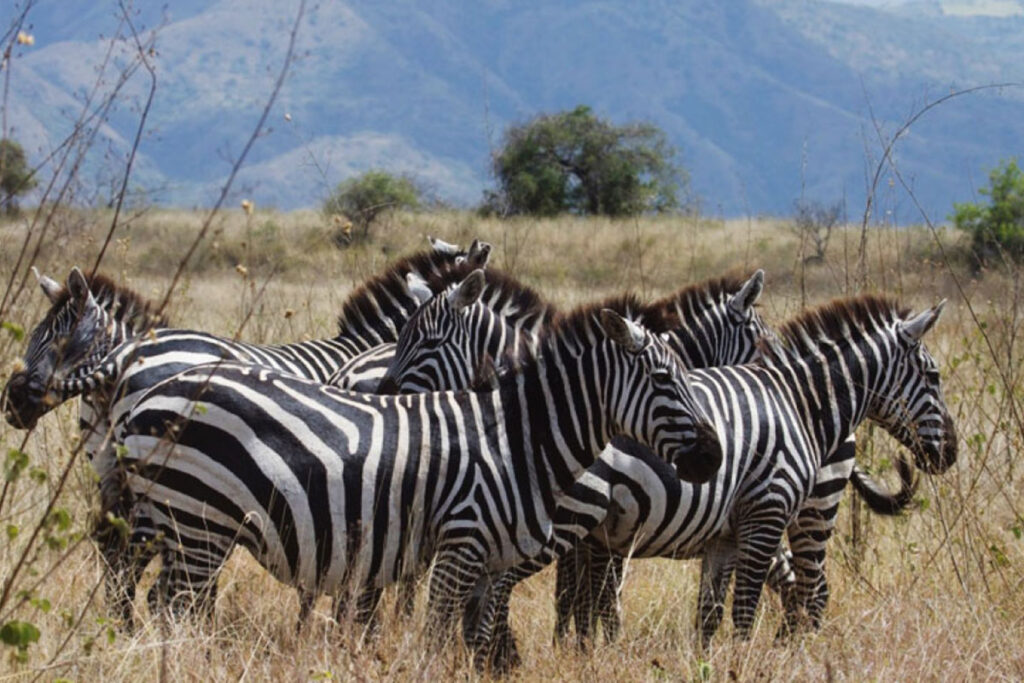
Nechisar National Park is one of Ethiopia’s most scenic and ecologically diverse protected areas, bridging the dramatic landscapes of the Great Rift Valley with the open Nechisar Plains and the twin lakes of Abaya and Chamo. Covering approximately 514 km² near the city of Arba Minch in southern Ethiopia, the park brings together savannah, grassland, woodland, groundwater forests, lakeshore habitats and rugged escarpments in a single compact wilderness. Its name—“Nechisar,” meaning “white grass”—comes from the vast expanse of pale savannah grasses that define the park’s central plains and support rare antelope species, grazing wildlife and spectacular birdlife.
Nechisar National Park is globally recognized for its unique combination of ecological zones, its important wetland habitats, its large crocodile population, and its dramatic viewpoints overlooking the Rift Valley lakes. The park’s mosaic of ecosystems supports more than 340 bird species, rare terrestrial mammals, endemic butterflies, varied reptiles and a remarkable diversity of aquatic life in Lakes Abaya and Chamo. As one of Ethiopia’s premier wildlife and landscape destinations, Nechisar holds cultural, ecological and geological significance unmatched elsewhere in the country.
The park’s proximity to Arba Minch makes it one of the most accessible major national parks in Ethiopia, while still offering wild, undisturbed landscapes, from the soaring escarpments of the Rift Valley to the shimmering Nechisar Plains stretching across the horizon. For explorers, photographers, researchers and travelers seeking authentic Ethiopian wilderness, Nechisar National Park remains a top destination.
Location, Size and Geographic Setting
Nechisar National Park lies in southern Ethiopia within the Southern Nations, Nationalities and Peoples’ Region (SNNPR), occupying the narrow land bridge that separates Lake Abaya to the north from Lake Chamo to the south. The park is part of the broader East African Rift System—a region defined by tectonic forces, volcanic features and deep escarpments.
- Country: Ethiopia
- Region: SNNPR
- Nearest city: Arba Minch (famous for the Forty Springs)
- Total Area: ~514 km²
- Key features: Nechisar Plains, Lakes Abaya & Chamo, Rift Valley escarpments
- Elevation: Approx. 1,100–1,650 m above sea level
This strategic location creates a dynamic convergence of freshwater, savannah and woodland ecosystems, making Nechisar one of the most ecologically significant parks in the Ethiopian Rift Valley.
Geology and Landscape Formation
The park’s landscapes are shaped entirely by the tectonic forces of the Great Rift Valley, one of the most dramatic geological formations on Earth. Over millions of years, the Rift Valley floor subsided while volcanic and sedimentary processes sculpted the region’s plains, hills, escarpments and lakes.
- Rift Valley escarpments: Steep cliffs offering panoramic views.
- Volcanic soils: Fertile but often alkaline, supporting drought-resistant grasses.
- Lake basins: Formed by tectonic sinking and later filled with freshwater.
- Nechisar Plains: Ancient lakebed sediments creating wide grasslands.
The contrasting landscapes—from elevated escarpments to low-lying wetlands—create microhabitats that sustain a wide variety of wildlife and plant species.
Climate and Seasonal Patterns
Nechisar National Park experiences a tropical semi-arid climate influenced by its Rift Valley location. Seasonal rainfall and temperature changes shape wildlife distribution, lake levels and vegetation cycles throughout the year.
- Main rainy season: March–May
- Secondary rains: September–November
- Dry season: December–February and June–August
- Annual rainfall: 500–800 mm
- Typical temperatures: 20°C–35°C
During the dry season, the Nechisar Plains become ideal for wildlife viewing as animals congregate around water sources. Rainy seasons bring lush vegetation, migratory birds and increased activity among reptiles and amphibians.
Hydrology – Lakes Abaya and Chamo, Wetlands and Groundwater Forests
Hydrology is one of the defining features of Nechisar National Park. The presence of Lake Abaya and Lake Chamo—two of Ethiopia’s most important Rift Valley lakes—creates rich aquatic ecosystems that support fish, crocodiles, hippos, birds and diverse wetland flora.
- Lake Abaya: Ethiopia’s second-largest lake, known for its reddish volcanic water.
- Lake Chamo: Famous for Africa’s largest remaining Nile crocodile populations.
- Wetlands & marshes: Crucial for hippos, waterbirds and amphibians.
- Groundwater forest: A rare forest type found near Arba Minch’s Forty Springs.
The lakes are fed by rivers such as the Kulfo, Sile and Sore, which drain surrounding highlands. Their seasonal fluctuations influence fish breeding cycles, hippo movements, and bird migration patterns. The Forty Springs groundwater forest is one of Ethiopia’s most unique ecosystems, providing dense, moist habitat in an otherwise dry landscape.
Ecosystems and Habitat Diversity
Nechisar National Park contains a remarkable variety of ecosystems, from open grass plains to riverine forests and lakeshore vegetation. This habitat diversity supports species with different feeding strategies, movement patterns and ecological needs.
- Nechisar Plains: Vast grasslands supporting herbivores and predators.
- Savannah woodland: Acacia-dominated woodland providing shade and browse.
- Groundwater forest: Moist forest sustained by underground springs.
- Lakeshore scrub: Habitat for waterbirds, crocodiles and hippos.
- Rift Valley escarpments: Home to raptors, hyraxes and unique plant species.
This combination of habitats allows Nechisar to support a wide ecological spectrum, from grazing antelope in the plains to fish-eating birds along the lakeshore and primates in the forested sections.
Flora – Plant Life of Nechisar National Park
The vegetation of Nechisar reflects the dry, warm climate of the Rift Valley and includes drought-resistant grasses, acacia trees, shrubs and riverine forest species. The Nechisar Plains are dominated by light-colored grasses that give the park its name.
- Grasses: Cenchrus, Hyparrhenia, Sporobolus and Aristida species.
- Woodland species: Acacia tortilis, Balanites aegyptiaca, Commiphora species.
- Riverine flora: Ficus sycomorus, tamarinds and doum palms.
- Groundwater forest vegetation: Dense stands of evergreen trees and climbers.
This diverse vegetation supports grazing mammals, browsing herbivores, seed-eating birds, pollinators and insects that form the base of complex food webs.
Wildlife of Nechisar National Park
The park is known for its mix of savannah and aquatic wildlife, including rare antelope species, large predators, diverse birdlife and some of East Africa’s most impressive crocodile populations.
Herbivores and Antelope Species
The Nechisar Plains support several antelope species, some of which are rare or localized within Ethiopia.
- Swayne’s hartebeest (endemic and endangered)
- Grant’s gazelle
- Bushbuck
- Lesser kudu
- Greater kudu
- Dik-dik
Swayne’s hartebeest is one of the park’s flagship species and a key conservation priority.
Predators
While predator densities are lower than in some East African parks, Nechisar supports populations of:
- Lions
- Leopards
- Spotted hyenas
- Golden jackals
- Caracals
These predators occupy woodland, plains and riverine habitats, following migratory patterns of antelope and smaller mammals.
Primates
Primate diversity is comparatively high due to the park’s forested zones.
- Olive baboons
- Vervet monkeys
- Colobus monkeys (in adjacent forest corridors)
Hippos and Crocodiles
Lake Chamo is famous for its exceptionally large Nile crocodiles, some of the biggest in Africa. Hippos are also abundant, using the lake and connecting channels for feeding, resting and breeding.
Birdlife – One of Ethiopia’s Best Birding Destinations
With more than 340 species recorded, Nechisar National Park is one of Ethiopia’s premier birdwatching sites. Its lakes, plains and forests attract a wide range of resident and migratory species.
- African fish eagle
- Great white pelican
- Marabou stork
- Hammerkop
- Kori bustard
- Carmine bee-eater
- Kingfishers
- Herons and egrets
The combination of aquatic and terrestrial habitats makes the park an exceptional location for bird photography and research.
Reptiles, Amphibians and Fish
- Nile crocodiles – among the largest populations in East Africa.
- Monitor lizards and snakes such as pythons and cobras.
- Amphibians: Frogs and toads concentrated around wetlands.
- Fish: Tilapia, catfish and other Rift Valley species.
The Rift Valley lakes create critical breeding grounds for fish and amphibians, sustaining aquatic food chains.
Unique Features – Nechisar Plains, Rift Valley Views and the Twin Lakes
Nechisar’s most iconic feature is the Nechisar Plains—a vast, shimmering expanse of pale grasses stretching between the escarpments and Lakes Abaya and Chamo. These dramatic plains provide some of Ethiopia’s most breathtaking wilderness scenery.
- Nechisar Plains: Symbolic white-grass savannah supporting rare antelope.
- Lakes Abaya & Chamo: Twin Rift Valley lakes with abundant aquatic life.
- Crocodile Market: Famous viewpoint for spotting massive Nile crocodiles.
- Rift Valley escarpments: Offer panoramic views of the park’s diverse landscapes.
Few parks in Africa combine wide plains, deep lakes and towering escarpments in a single compact area as Nechisar does.
Cultural and Indigenous Communities
The areas surrounding Nechisar National Park are culturally rich, inhabited by the Gamo, Gofa and other ethnic groups with deep connections to the landscape. These communities practice cattle herding, fishing, weaving and traditional farming, while maintaining unique customs, music and craftsmanship.
Arba Minch—meaning “Forty Springs”—is named after the numerous natural springs that support local communities. Some cultural sites and traditional villages near the park offer insights into the life and heritage of the region’s Indigenous populations.
Conservation Importance
Nechisar National Park is one of Ethiopia’s most important conservation areas for several reasons:
- Protects endangered species such as Swayne’s hartebeest.
- Ensures the survival of large Nile crocodile populations.
- Preserves Rift Valley freshwater ecosystems.
- Conserves diverse savannah and woodland habitats.
- Maintains essential bird migration corridors.
The park’s combination of aquatic and terrestrial ecosystems offers irreplaceable ecological value, making its preservation critical for biodiversity conservation in Ethiopia.
Threats and Environmental Challenges
- Encroachment: Expansion of agriculture and settlement near boundaries.
- Livestock grazing: Competition for grassland resources.
- Illegal fishing: Pressure on fish populations in Lake Chamo.
- Wildfire: Occasional grassland fires in the dry season.
- Human-wildlife conflict: Occurs near farms and grazing areas.
Conservation organizations and local authorities continue to address these challenges through community engagement, education and sustainable resource management.
Research and Monitoring Programs
- Monitoring populations of Swayne’s hartebeest and other antelope.
- Surveying crocodile abundance and distribution.
- Bird monitoring for migratory and resident species.
- Vegetation mapping to track grassland health.
- Hydrological studies on Lakes Abaya and Chamo.
These scientific efforts contribute to long-term understanding of the park’s ecological health and guide conservation interventions.
Tourism Activities in Nechisar National Park
- Game drives: Explore Nechisar Plains and woodland habitats.
- Boat trips on Lake Chamo: See crocodiles, hippos and waterbirds.
- Birdwatching: Ideal in wetlands, forests and lakeshores.
- Hiking: Scenic walks around the Rift Valley escarpments.
- Photography: Stunning landscapes and wildlife opportunities.
The park’s combination of plains, lakes and viewpoints makes it one of Ethiopia’s most photogenic protected areas.
Access – How to Reach Nechisar National Park
- By road: Easily reached from Arba Minch (5–10 km to entrances).
- By air: Flights to Arba Minch Airport, then short drive to park.
- Boat access: Tours connect to the park via Lake Chamo.
Nechisar is one of the most accessible national parks in Ethiopia, making it ideal for short or extended visits.
Permits and Regulations
- Entry requires a park permit issued in Arba Minch.
- A guide or ranger escort is recommended for most activities.
- Off-road driving and wildlife disturbance are prohibited.
- Fishing is regulated to protect aquatic biodiversity.
Accommodation Options
- Arba Minch hotels: Full-service lodges overlooking Lakes Abaya and Chamo.
- Lakeside eco-lodges: Offer quick access to boat tours and park activities.
- Camping: Basic camping options for adventurers and researchers.
Arba Minch provides the widest range of accommodations, from luxury lodges to budget hotels.
Best Time to Visit Nechisar National Park
- December–March: Best for game drives and birdwatching.
- June–October: Green landscapes and cooler temperatures.
The dry season offers clearer views of the Nechisar Plains and excellent aquatic wildlife sightings along Lake Chamo.
Why Nechisar National Park Is Unique
Nechisar National Park combines the majesty of the Great Rift Valley with the ecological richness of savannah, woodland and freshwater habitats. Its dramatic plains, towering escarpments and twin lakes create one of the most impressive natural landscapes in Ethiopia. As a sanctuary for rare antelope, massive crocodiles, hundreds of bird species and unique plant communities, Nechisar is a natural treasure of immense scientific, ecological and cultural value.
For travelers and conservationists, Nechisar remains one of Ethiopia’s most compelling destinations—wild, scenic and overflowing with the natural beauty that defines the Rift Valley.