
Nimule National Park
Nimule National Park, South Sudan – Wildlife, White Nile River Safaris, Island Ecosystems and Savannah Adventure at the Gateway to East Africa
Nimule National Park is South Sudan’s oldest, most accessible and most ecologically diverse protected area — a remarkable blend of riverine forests, wooded savannah, rolling granite hills and the powerful White Nile River that flows directly through its heart. Established in 1954 and stretching across approximately 540 km², Nimule offers one of East Africa’s most unique safari experiences thanks to its mixture of wildlife, culture and river-based exploration. The park sits at the extreme southern tip of South Sudan along the Uganda border, making it easy to reach and ideal for travelers seeking off-the-beaten-path destinations rich in nature, history and scenic beauty.
What sets Nimule apart from other East African parks is the presence of the mighty White Nile and its forested islands, which sustain hippos, crocodiles, birds, primates and many antelope species year-round. Combined with open grasslands, floodplains, and rugged granite outcrops, the park forms a visually striking landscape that feels both wild and intimate. As South Sudan continues building its tourism sector, Nimule has emerged as the country’s flagship conservation area — a place where culture, wildlife and dramatic scenery meet in harmony.
Overview of Nimule National Park
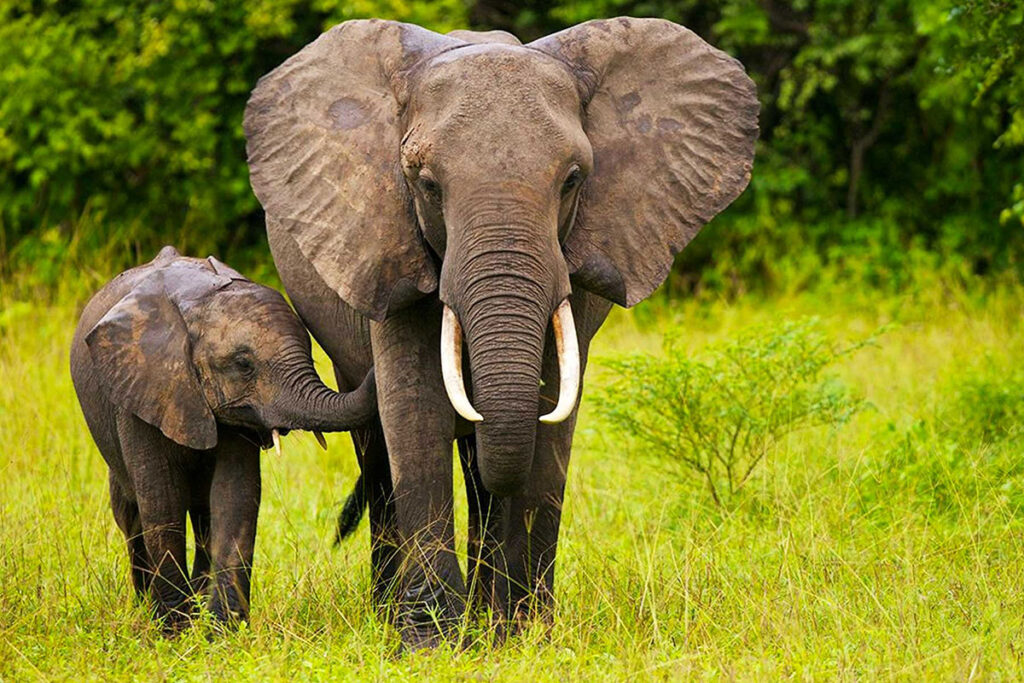
Nimule National Park was created to protect key savannah and riverine ecosystems and the wildlife that depends on them. Its strategic location on the Uganda border historically made it a refuge for cross-border elephant herds, antelopes and migratory birds. Today, it remains one of the few parks in South Sudan where wildlife populations have remained relatively stable. Elephants roam freely along the White Nile and wooded hills, while hippos and crocodiles dominate deeper river channels.
The park is home to the Madi and Acholi communities, whose cultural landscapes, traditional knowledge and historical ties to the land are integral to its identity. Their participation in guiding, conservation programs and community-based tourism enriches the visitor experience, blending nature with culture in a uniquely authentic way.
Location, Size and Key Facts
Nimule National Park lies in Eastern Equatoria State, bordering Uganda to the south. The town of Nimule sits at the southeastern corner of the park, directly along the Juba–Nimule highway, which is South Sudan’s best paved road. The park’s location provides seamless cross-border access for travelers coming from Uganda’s northern circuits.
- Country: South Sudan
- State: Eastern Equatoria
- Nearest Town: Nimule
- Coordinates: ~3.6°N, 32.1°E
- Area: Approximately 540 km²
- Established: 1954
- Main Safari Zones: White Nile riverbanks, Rabak/Mojoro grasslands, granite hill slopes, river islands
- Famous Landmarks: Fula Rapids, Olikobo & Olimoro Islands
Geography and Landscape
The landscape of Nimule National Park is a striking blend of three major ecological zones: open savannah plains, hill country dominated by granite outcrops and forested riverbanks fed by the White Nile. This combination creates habitats for both river-dependent species and dryland savannah wildlife, resulting in one of South Sudan’s most diverse natural environments.
The Rabak and Mojoro grasslands form the park’s core wildlife viewing areas, offering wide open plains dotted with acacia trees and shrubs. Here, Uganda kob, waterbuck and hartebeest graze in large numbers during the dry season. The hills around the park’s interior create spectacular viewpoints, especially at sunrise and sunset when the light reflects off the Nile’s surface. Rocky slopes support specialized species such as klipspringers and raptors.
Perhaps the most beautiful feature is the White Nile, which splits around several islands inside the park — including Olikobo, Olimoro and smaller unnamed isles. These islands are covered with riverine vegetation and form vital refuges for primates, hippos, elephants and crocodiles. The combination of dramatic river channels, forested islands and granite hills gives Nimule one of the most scenic settings in East Africa.
Climate and Weather
Nimule National Park experiences a tropical savannah climate with warm temperatures year-round. The dry season (November to March) is the best time for game viewing, as wildlife gathers near the Nile and open plains. Temperatures during this period range from 25°C to 32°C, with clear skies and excellent visibility.
The rainy season (April to October) brings lush greenery, swollen rivers and expanded wetlands. Afternoon storms are common, turning the landscape vibrant and supporting migratory bird species. Although some tracks become muddy, the park remains accessible, and river safaris become even more scenic with powerful water flow and increased wildlife activity along the banks.
Hydrology and Water Systems
The White Nile is the lifeline of Nimule National Park. Flowing northward across the entire park, it supports extensive riverine forests, papyrus wetlands, sandbanks, rocky rapids and island ecosystems. Hippos and crocodiles dominate its deeper channels, while elephants frequently cross or bathe along calmer stretches.
Seasonal streams flowing from the granite hills feed into the river, creating temporary wetlands during the rainy months. These wetlands attract amphibians, insects and wading birds, making them critical breeding and feeding areas. The hydrological cycle ensures year-round ecological activity, making Nimule a biologically rich landscape even during dry periods.
Fish and Aquatic Biodiversity
The White Nile within Nimule National Park supports a diverse fish community, including Nile perch, tilapia, catfish and tigerfish. These species sustain both local communities and aquatic predators such as Nile crocodiles. The river’s rich fish life is also a major draw for sport fishing activities, particularly near the calmer upstream stretches.
Ecosystems and Vegetation
Nimule National Park contains several important vegetation zones that support vast numbers of wildlife species. These include savannah grasslands, riverine forests, rocky hill vegetation and floodplains.
Riverine Forest
Dense forests grow along riverbanks and on islands. Sycamore figs, mahogany, tamarind, papyrus and acacia species dominate these areas. The riverine forest provides shade, food and nesting sites for primates, birds and insects, making it one of the most biologically productive ecosystems in the park.
Savannah Grasslands
The Rabak and Mojoro grasslands are characterized by elephant grass, wild sorghum, acacia woodlands and open bushveld. These areas support the majority of the park’s grazing herbivores and offer ideal environments for predators such as hyenas and leopards.
Rocky Hills and Slopes
Granite hills are covered with short grasses, shrubs and hardy plants adapted to shallow soils. These hills are important habitats for klipspringers, reptiles and birds of prey.
Wildlife of Nimule National Park
Mammals
Nimule hosts an impressive range of mammals, especially along the White Nile and savannah plains. Key species include:
- Elephants (often seen feeding along riverine forests)
- Hippos (abundant in deeper Nile channels)
- Nile crocodiles
- Uganda kob
- Hartebeest
- Waterbuck & defassa waterbuck
- Bushbuck
- Warthog
- Klipspringer (on rocky hills)
- Baboons
- Vervet monkeys
- Patas monkeys (in some dry zones)
Predators include hyenas, leopards, servals and occasionally caracals. While the park’s predator populations are smaller than those in larger savannah parks, sightings can be rewarding, especially near water sources.
Elephant Behavior and Movements
Elephants in Nimule are known for their river-edge feeding behavior, often seen dipping trunks into the Nile or bathing in shallow waters. Historically, some herds moved between Nimule and Uganda’s East Madi region, though most are now resident. Their presence contributes significantly to the park’s ecological richness.
Primates
Nimule has several primate species, particularly thriving along the riverine forests:
- Vervet monkeys
- Olive baboons
- Patas monkeys
- Colobus monkeys (in some forested pockets)
Birdlife
Nimule is a paradise for birdwatchers thanks to its blend of river, savannah and island ecosystems. Over 300 species can be observed, including:
- African fish eagle
- Goliath heron
- Pied kingfisher
- Saddle-billed stork
- African jacana
- Grey crowned crane
- Bee-eaters and rollers
- Raptors on rocky hills
Reptiles, Amphibians and Insects
The park contains numerous reptiles, including large Nile crocodiles, pythons, monitor lizards and several snake species. Amphibians such as frogs and toads appear in large numbers during the rainy season. Insects — particularly butterflies, dragonflies and beetles — flourish in wet periods, playing essential roles in pollination and nutrient cycling.
Unique Features of Nimule National Park
Nimule’s most iconic feature is the White Nile and its forested islands such as Olikobo and Olimoro. These islands act as micro-habitats for primates, antelopes and birds, and form one of the most scenic river environments in East Africa. Visitors can explore these islands by boat, enjoying close-up views of hippos, crocodiles and wading birds.
The Fula Rapids — a powerful stretch of cascading water over granite boulders — are another highlight, offering dramatic scenery and excellent photography opportunities. Combined with the park’s hills and sweeping plains, these features create a landscape unmatched in beauty and diversity.
Cultural Communities and Tourism Experiences
The Madi and Acholi communities living around the park are an essential part of Nimule’s identity. They offer cultural experiences including traditional dances, drumming performances, storytelling, village visits, beekeeping demonstrations and guided nature walks. Their deep ecological knowledge enriches safari experiences, especially during walking tours and river excursions.
Conservation Importance and Management
Nimule National Park is managed by the South Sudan Wildlife Service (SSWS) with support from local chiefs, peace committees and conservation NGOs. The park’s key conservation priorities include:
- Anti-poaching patrols
- Protection of elephant and hippo populations
- Control of illegal fishing
- Safeguarding riverine forests
- Supporting community-based conservation
Conservation remains challenging due to resource limitations, human–wildlife conflict, charcoal production near the boundaries and the need for expanded ranger capacity. Despite these challenges, Nimule remains one of South Sudan’s most intact and promising conservation areas.
Threats and Conservation Challenges
Key threats include:
- Poaching pressure on elephants and antelopes
- Unregulated fishing in the Nile
- Charcoal burning near forest edges
- Refugee-related resource pressure
- Encroachment in buffer zones
- Increasing climate variability
Research and Monitoring
Scientific research in Nimule includes monitoring elephant movements, habitat mapping of riverine zones, bird population surveys and Nile hydrological studies. Elephant dung analysis, amphibian monitoring during rainy seasons and fish population studies along the Olikobo Island channels contribute to conservation data.
Tourism Activities
Game Drives
Game drives explore savannah plains, rocky slopes and riverbanks where elephants, antelopes and primates are frequently observed. Early morning and sunset hours offer the best wildlife viewing.
Boat Safaris
Boat safaris along the White Nile allow close encounters with hippos, crocodiles, birds and island wildlife. Visitors can explore quieter channels around Olikobo and Olimoro Islands for excellent photography.
Hiking and Walking Safaris
Walking routes lead to granite hill overlooks, giving panoramic views of the river and plains. Guided nature walks highlight plants, insects, culture and traditional ecological knowledge.
Birdwatching
With more than 300 species, Nimule offers excellent birding opportunities, especially in the early morning along wetlands, riverine forests and floodplains.
Access and How to Get There
Nimule National Park is the most accessible park in South Sudan. The fully paved Juba–Nimule highway provides smooth travel from the capital.
- Distance from Juba: ~190 km (3–4 hours)
- Nearest border crossing: Elegu–Nimule (Uganda)
- Park gate: Nimule Main Gate, near Olikobo Island access road
- Vehicle: 4×4 recommended for internal tracks
Permits and Park Regulations
Permits are issued by the South Sudan Wildlife Service and must be presented at the main gate. Activities such as boat trips and guided walks may require additional fees. Visitors must avoid riverbank edges, maintain distance from hippos and crocodiles, and respect wildlife at all times.
Accommodation Options
Accommodation around Nimule National Park includes river-view lodges, small guesthouses in Nimule town and designated camping areas. Lodges typically offer guided tours, boat safaris and comfortable rooms. Budget travelers can stay in local guesthouses, while self-drive visitors may camp in approved areas.
Best Time to Visit Nimule National Park
The dry season (November to March) is ideal for game viewing, photography and easy road conditions. The wet season (April to October) brings lush scenery, vibrant birdlife and dramatic river flows — excellent for boat safaris.
Why Nimule National Park Is Unique
Nimule National Park combines river ecosystems, savannah landscapes, rocky hills, island habitats and cultural richness in a way few African parks can match. Its accessibility, wildlife diversity and breathtaking scenery along the White Nile make it a standout destination in East Africa.
Whether exploring by boat, vehicle or foot, visitors experience a pristine riverine wilderness supported by resilient communities, thriving wildlife and the timeless flow of the Nile. Nimule National Park is not only the gateway to South Sudan but also one of East Africa’s most promising and unforgettable safari landscapes.