
Nyika National Park
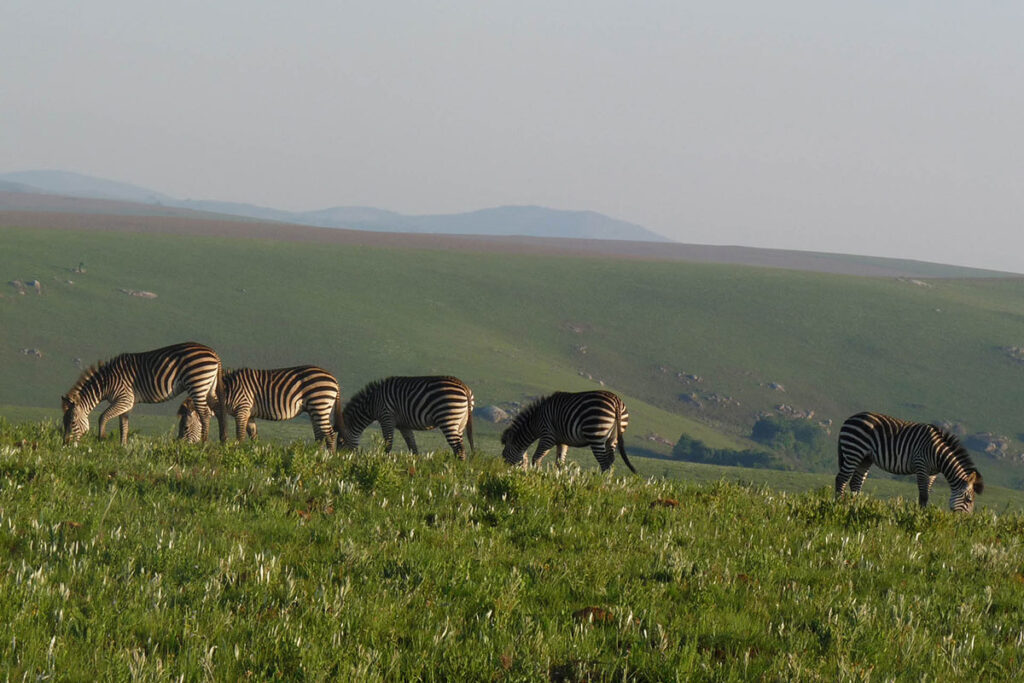
Nyika National Park, Malawi – Highland Plateau Wilderness, Endless Grasslands, Rare Wildlife, Orchid Diversity and Malawi’s Most Scenic Mountain Safari Destination
Nyika National Park is one of Africa’s most remarkable mountain wilderness areas—an elevated world of sweeping grasslands, rolling hills, mist-filled valleys, evergreen forests and flower-studded meadows stretching across the vast Nyika Plateau in northern Malawi. As the country’s oldest and largest national park, Nyika offers an unforgettable high-altitude safari experience characterized by cool climates, dramatic panoramas, abundant antelope herds, flourishing leopard populations and some of the most exceptional botanical diversity on the continent. Its landscapes resemble a blend of East Africa’s highlands and the open moors of Europe, making it one of Africa’s most unique safari destinations and a paradise for photographers, naturalists, birdwatchers and adventure travelers seeking solitude and raw beauty.
Overview
Established in 1965 and covering approximately 3,200 km², Nyika National Park protects one of Africa’s most extensive montane grassland ecosystems. Its name, “Nyika”—meaning “where the water comes from”—reflects its ecological importance as a major watershed for northern Malawi. The plateau rises over 2,500 meters above sea level, creating a cool, temperate climate that supports a wealth of high-altitude species found nowhere else in Malawi. With more than 200 species of orchids, flourishing populations of roan antelope and eland, and expansive landscapes offering exceptional visibility, Nyika is one of Africa’s great open highland wildernesses. Its remoteness ensures minimal disturbance, giving visitors a rare sense of tranquility and untouched nature.
Location and Key Facts
Nyika National Park is located in northern Malawi and extends westwards across the border into northeastern Zambia, forming the Nyika Transfrontier Conservation Area. Its elevated position creates distinct ecological zones that differ dramatically from the lowlands below.
- Country: Malawi (with a smaller section in Zambia)
- Nearest Town: Rumphi
- Established: 1965
- Area: ~3,200 km²
- Altitude: 2,100–2,605 meters above sea level
- Ecosystems: Montane grassland, evergreen forest, miombo woodland, highland wetlands
- Transboundary Status: Part of the Malawi–Zambia Nyika Transfrontier Conservation Area
Geology and Soil Composition
The Nyika Plateau is underlain by ancient crystalline basement rocks—mainly granite, schist and quartzite—formed millions of years ago. Geological uplift created the elevated landscape seen today. The plateau’s soils are predominantly acidic, nutrient-poor and derived from weathered granite, which influences the unique flora that thrives here. These challenging soil conditions support specialized montane plant species, including a variety of proteas, aloes, small shrubs and ground orchids. Rocky outcrops scattered across the plateau provide microhabitats for reptiles, insects and small mammals, while also shaping the park’s dramatic topography.
Geography and Landscape
Nyika is a landscape defined by vast open spaces and panoramic beauty. The plateau is characterized by undulating hills, expansive grass plains, deep valleys and steep escarpments offering breathtaking views. The terrain transitions between rolling grasslands, forested depressions and granite knolls, creating a mosaic of habitats. From the Chelinda Plains to the remote northern ridges, the scenery shifts constantly—making Nyika one of Africa’s most visually captivating national parks. Because of its elevation and exposure, the plateau often experiences dramatic cloud formations, misty mornings and atmospheric lighting that enhance its photographic appeal.
- Endless Afro-montane grasslands
- Evergreen forest pockets in sheltered valleys
- High-altitude wetlands (dambos)
- Granite hills and rocky escarpments
- Deep river-cut gorges
- Remote moorlands and rolling ridges
Climate
Nyika’s high elevation produces one of Malawi’s most pleasant climates. Days are mild and evenings cool, creating ideal conditions for hiking, wildlife viewing and photography. Unlike the hot lowlands, Nyika maintains a refreshing mountain environment throughout the year.
- Dry Season (May–October): Cool temperatures, clear skies and golden grasslands ideal for game viewing.
- Wet Season (November–April): Lush green landscapes, countless wildflowers, dramatic thunderstorms and superb birdwatching.
- Annual Temperature Range: 7°C–20°C, with colder nights during winter months.
The plateau is known for its famous “whisky mist,” a dense fog that forms during early mornings, creating otherworldly sunrises with rays of light piercing through the moisture-filled valleys.
Hydrology
As Malawi’s most important upland watershed, Nyika plays a vital hydrological role. High rainfall levels combined with the plateau’s grassland catchment areas feed hundreds of streams and rivers. Seasonal wetlands known as dambos serve as natural reservoirs, storing water during rainy periods and releasing it slowly during the dry season. These wetlands support frogs, insects, wading birds and specialized vegetation. Several major rivers, including tributaries of the Rukuru River, originate here and supply water to communities, farmlands and ecosystems downstream. Nyika’s protection is therefore critical for safeguarding water quality and availability throughout northern Malawi.
Ecosystems and Habitats
Nyika National Park contains multiple ecosystems shaped by altitude, rainfall, soil types and fire regimes. Each ecosystem supports distinct groups of plants and animals, creating one of Africa’s most ecologically rich highland environments.
- Montane Grasslands: Extensive open plains that support large herds of zebra, eland and roan antelope.
- Afro-montane Forests: Moist, evergreen forests filled with moss-covered trees, ferns and cool-shade species.
- Miombo Woodlands: Lower slopes dominated by Brachystegia woodlands supporting forest-edge mammals.
- Montane Wetlands: Dambos and marshes that are crucial breeding sites for amphibians and cranes.
- Rocky Hills and Outcrops: Habitat for hyrax, leopards and highland raptors.
Fire Ecology – The Heart of Nyika’s Grassland System
Fire plays a crucial ecological role on the Nyika Plateau. Seasonal and controlled burns prevent woody encroachment, promote fresh grass growth and maintain open habitats suitable for grazers. Many plant species—including certain orchids and grasses—respond positively to periodic burning, showing increased flowering and regeneration. The green flush that follows early-season fires attracts grazers such as roan antelope, eland and zebra, which in turn support predators like leopard and hyena. Responsible fire management is essential for preserving Nyika’s botanical diversity and broad grassland expanses.
Botanical Zones and Plant Diversity
Nyika is a botanical treasure trove, home to more than 200 orchid species and hundreds of other wildflowers that bloom spectacularly during the rainy season. Its plant zones vary by altitude, soil type and moisture availability.
- Protea Shrublands: Iconic pink and white flowers that dominate higher ridges.
- Afro-montane Forest: Evergreen trees in misty hollows hosting rare shade-loving species.
- Grasslands: Carpeted with daisies, everlastings and aster-like flowers after rains.
- Bamboo Thickets: Found in valleys and lower slopes, providing habitat for forest birds.
- Wetland Vegetation: Sedges, grasses and aquatic plants thriving in dambos.
The wildflower season transforms Nyika into one of Africa’s most colorful landscapes, attracting botanists and photographers from around the world.
Endemic and Near-Endemic Species
The high-altitude conditions of Nyika support several endemic and near-endemic species found nowhere else in Malawi. These include:
- Red-winged francolin (endemic to Nyika Plateau)
- Nyika dwarf chameleon
- Mountain marsh widowbird
- Plateau orchids restricted to East African highlands
The presence of these species enhances Nyika’s global conservation significance and highlights the need to preserve its fragile upland habitats.
Wildlife of Nyika National Park
Mammals
Nyika’s open grasslands support impressive antelope populations, making it one of the best places in southern Africa to see roan antelope and eland. Large mammal species include:
- Roan antelope
- Eland (Africa’s largest antelope)
- Zebra
- Reedbuck
- Duiker species
- Warthog
- Bushpig
- Spotted hyena
- Leopard (common and well-adapted to forests and rocky slopes)
Small mammals such as servals, genets, civets, porcupines and hyrax also occur, using forest edges and rocky outcrops for shelter.
Birdlife
Nyika is a highland birding paradise with more than 400 recorded species, including several endemic and high-altitude specialists. Notable birds include:
- Wattled crane (near-threatened)
- Denham’s bustard
- Red-winged francolin
- Mountain marsh widowbird
- Bar-tailed trogon
- Augur buzzard
- Montane sunbirds
The combination of grassland, forest and wetland environments makes Nyika one of the most rewarding birdwatching destinations in southern Africa.
Reptiles, Amphibians and Invertebrates
Cool temperatures limit reptile diversity, but Nyika still supports several unique species including skinks, chameleons and snakes adapted to high-altitude habitats. Amphibians thrive in wetlands, especially after rains, and butterflies, dragonflies and other insects are abundant during the flowering season, adding color and life to the plateau.
Seasonal Wildlife Movements
Wildlife behavior in Nyika changes with the seasons:
- Dry Season: Animals gather around wetlands, rivers and forest edges.
- Wet Season: Grazers spread widely across the plateau as grasses flourish.
- Calving Season: Early rains trigger births among eland, zebra and reedbuck.
- Bird Breeding Season: Wetlands become hotspots for cranes, storks and waterbirds.
Human History and Archaeology
Archaeological studies reveal that Nyika has been used by humans for thousands of years. Stone tools, pottery shards and ancient hearths indicate seasonal occupation by hunter-gatherers who followed wildlife migrations. Cultural traditions and local folklore continue to link communities to this remarkable plateau.
Transboundary Conservation – Malawi & Zambia
Nyika National Park spans Malawi and Zambia, creating a transfrontier conservation area with shared management responsibilities. Wildlife moves freely across the border, and joint efforts enhance anti-poaching, fire control, research and ecological monitoring. This cross-border approach strengthens long-term conservation outcomes for both nations.
Weather and Cloud Formations
Nyika’s elevation produces dramatic weather patterns, including rolling fog banks, temperature inversions and atmospheric cloud formations that move across the plateau at sunrise and sunset. These phenomena create ideal conditions for landscape photography and contribute to the park’s mystical, almost alpine atmosphere.
Nearby Attractions
- Vwaza Marsh Wildlife Reserve: Known for elephants, hippos and wetlands.
- Livingstonia: Historic mission town on the Rift Valley escarpment.
- Manchewe Falls: Spectacular waterfall with scenic viewpoints.
- Lake Malawi: Perfect for combining beach and mountain adventures.
Photography Highlights
- Sunrise over the Chelinda Plains
- Eland and roan antelope in golden light
- Wildflower meadows during the rainy season
- Mist drifting through forested gullies
- Leopards emerging at dusk along tree-covered valleys
Tourism Activities
- Game Drives: Explore plains, valleys and forest edges for wildlife.
- Guided Walks: Discover orchids, birds and sweeping viewpoints.
- Birdwatching: Exceptional species diversity and high-altitude endemics.
- Mountain Biking: Unique opportunity to traverse open highlands.
- Horseback Safaris: Offered seasonally for immersive exploration.
- Scenic Photography: Highlands offer unmatched lighting and panoramas.
Access and How to Get There
The main access to Nyika is from the town of Rumphi. A 4×4 vehicle is necessary for the final ascent to the plateau, particularly during the rainy season when roads become slippery. Alternatively, charter flights may be arranged to the Chelinda airstrip, offering a convenient and scenic arrival into the heart of the park.
Permits and Park Regulations
Visitors must pay park entry fees at the gate or via licensed operators. Park rules emphasize wildlife protection, fire control, responsible waste management and compliance with designated driving routes. Visitors are strongly encouraged to respect Nyika’s fragile montane ecosystems by minimizing disturbance and adhering to conservation guidelines.
Accommodation
Nyika offers a range of accommodation options including eco-lodges, safari camps and chalets. Many lodges overlook grasslands where wildlife grazes throughout the day. Facilities often include fireplaces, hearty meals, guided activities and stunning views of the plateau, making for a comfortable yet immersive high-altitude safari experience. Campsites are available for visitors seeking a more rustic and adventurous stay.
Best Time to Visit
- Dry Season (May–October): Best for wildlife viewing, hiking and clear mountain views.
- Wet Season (November–April): Best for wildflowers, orchids, birdwatching and dramatic scenery.
Why Nyika National Park Is Unique
Nyika National Park stands apart as one of Africa’s greatest high-altitude wildernesses. Its rolling grasslands, cool climate, misty valleys, rare orchids, endemic birds, roaming antelope herds and iconic leopards make it unlike any other safari destination. The park’s unspoiled landscapes, unique ecology and sense of endless space offer visitors a serene, spectacular and unforgettable experience. Nyika’s blend of scenic drama, biological richness and highland tranquility ensures its status as one of Malawi’s—and Africa’s—most extraordinary national parks.