
Nyerere National Park
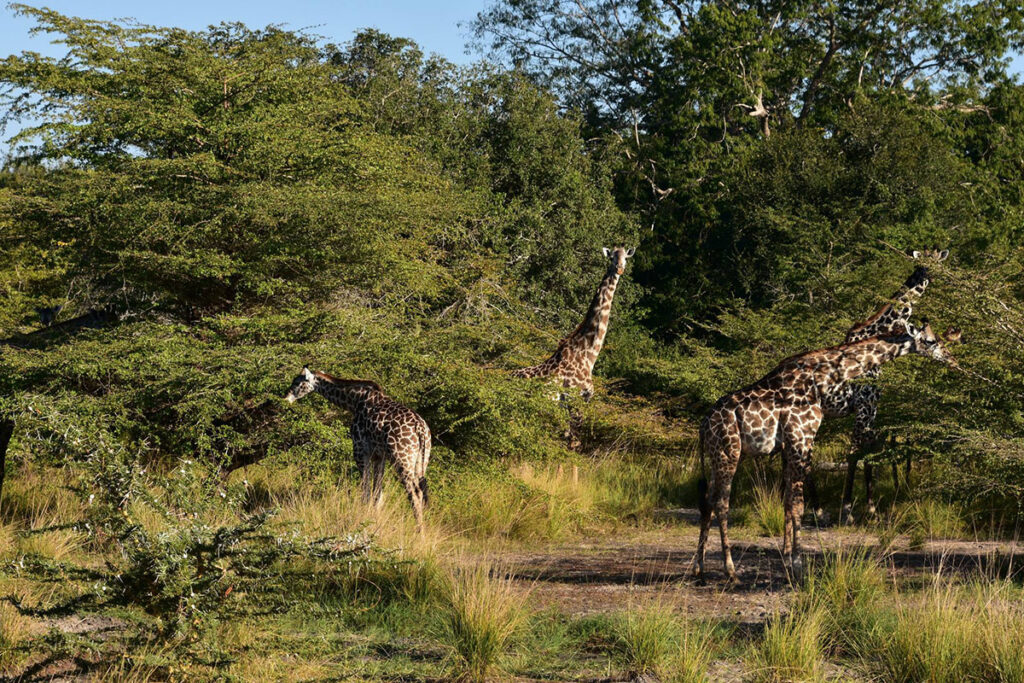
Nyerere National Park – Rufiji River Wilderness, Miombo Woodlands, Big Game, Predator Strongholds and the Immense Heart of the Selous Ecosystem
Nyerere National Park is one of Africa’s grandest and most spectacular wilderness destinations, a colossal protected area covering 30,893 km² in southern Tanzania. Its sheer size, enormous ecological diversity, abundant wildlife and extraordinary landscapes make it one of the continent’s most important natural sanctuaries. Once the northern core of the historic Selous Game Reserve—a UNESCO World Heritage Site—Nyerere is now Tanzania’s largest national park and one of the largest wildlife havens in the world. Its vast expanse of miombo woodland, thick riverine forests, sprawling floodplains, seasonal marshes, lakes and winding river channels supports thriving populations of elephants, lions, African wild dogs, leopards, hippos, crocodiles, buffalo and hundreds of bird species.
What makes Nyerere truly exceptional is the immense Rufiji River system, the most extensive and dynamic river basin in East Africa. Its complex web of waterways, oxbow lakes, sandbanks and channels provides water, nutrients and life to tens of thousands of animals and creates one of Africa’s finest wildlife-viewing environments—especially from the water. Boat safaris, walking safaris and game drives unfold across remote, pristine landscapes where wilderness dominates and human presence is minimal. Nyerere National Park offers an authentic, immersive safari experience reminiscent of Africa’s oldest explorer tales—wild, raw and breathtakingly beautiful.
Location, Size and Geographic Context
Nyerere National Park lies in southern Tanzania, forming part of the expansive Selous ecosystem—a conservation landscape larger than Switzerland. Although accessible from Dar es Salaam within a few hours, the park retains an extraordinary sense of isolation due to its sheer scale and the low density of human settlement around its boundaries.
- Area: 30,893 km²
- Region: Southern Tanzania
- Ecosystem: Greater Selous ecosystem (over 50,000 km²)
- Coordinates: South of Morogoro, west of the Indian Ocean coastline
The park’s incredible size makes it significantly larger than Serengeti National Park, larger than Belgium, and larger than many African countries. Its vast protected area ensures ecological resilience, enabling large mammals to roam freely across unfenced landscapes and preserving ancient migration routes that have existed for millennia.
Geography and Landscape Formation
Nyerere National Park’s landscapes are dominated by the Rufiji River, whose broad basin extends across southeastern Tanzania before draining into the Indian Ocean. This powerful river system has carved channels, created oxbow lakes, deposited fertile sediments and shaped floodplains that sustain some of the richest wildlife habitats in East Africa.
- Rufiji River channels: A labyrinth of waterways, bends and sandbanks.
- Oxbow lakes: Former river loops now transformed into wildlife-rich wetlands.
- Floodplains: Seasonal grazing areas attracting buffalo, elephants and antelopes.
- Rocky outcrops (inselbergs): Ancient formations offering vistas and raptor nesting sites.
- Miombo woodlands: Dry-season refuges for elephants and wild dogs.
These landscapes reveal the long geological history of southern Tanzania, shaped by tectonic movement, ancient drainage systems and shifting rainfall patterns. The result is a dynamic ecosystem where water, soil and vegetation interact to support extraordinary biodiversity.
Climate and Seasonal Variations
Nyerere National Park experiences a tropical savanna climate with distinct wet and dry seasons, although its immense size creates localized climate variations. The weather patterns drive wildlife movement, vegetation growth, river levels and predator-prey dynamics.
- Long rains: March–May
- Short rains: November–December
- Dry season: June–October (peak safari season)
- Temperatures: 20°C–35°C year-round
The dry season offers the best wildlife viewing as water becomes scarce and animals concentrate around the Rufiji River and permanent lakes. During the rains, the park transforms into a lush green wilderness filled with birdlife, newborn animals and vibrant plant growth.
Hydrology – Rufiji River, Water Dynamics and Oxbow Lakes
The hydrology of Nyerere National Park centers on the Rufiji River, the largest and most ecologically influential river in Tanzania. The river and its tributaries—Luwegu, Great Ruaha and Kilombero—form a giant catchment that sustains floodplains, oxbow lakes, marshes and riverine forests.
- Rufiji Basin: East Africa’s largest river basin.
- Permanent lakes: Manze, Siwandu, Tagalala, Nzerakera.
- Seasonal lakes and pans: Transform during rains and attract enormous bird numbers.
- Wetlands: Critical for fish breeding, bird nesting and hippo populations.
Seasonal flooding replenishes nutrients and supports fish breeding cycles, which in turn sustain large populations of crocodiles, hippos, fish eagles and other predators. Oxbow lakes—formed when the river changes course—provide calm, nutrient-rich waters used by hippos for daytime refuge and by crocodiles for nesting and hunting.
During peak floods, the Rufiji River expands dramatically, filling backwaters, marshes and channels. As the water recedes, minerals concentrate, grasses flourish and herbivores move into the floodplains to graze. This annual water pulse is central to the park’s productivity and wildlife survival.
Ecosystems and Habitat Diversity
Nyerere National Park contains one of the greatest ranges of ecosystems in East Africa, each supporting specific wildlife communities. These habitats shift gradually from the humid Rufiji floodplains to the drier uplands and miombo woodlands, creating a vast ecological gradient.
- Miombo woodlands: The dominant habitat, supporting elephants, eland, sable and wild dogs.
- Acacia grasslands: Seasonal grazing grounds for buffalo and zebra.
- Riverine forests: Home to leopards, monkeys and numerous birds.
- Wetlands and marshes: Ideal for hippos, crocodiles, storks and herons.
- Oxbow lakes: Freshwater sanctuaries for fish and aquatic life.
This ecological diversity supports migratory behavior, predator-prey interactions, breeding cycles and seasonal congregations of wildlife. It is one of the few places in Tanzania where all major habitats—from dense forests to open grasslands—exist within one protected area.
Flora – Miombo Dominance, Riverine Forests and Floodplain Vegetation
The flora of Nyerere National Park reflects southern Tanzania’s botanical richness. Vegetation types vary dramatically between upland woodlands, floodplains, lake margins and riverbanks.
- Miombo trees: Brachystegia, Julbernardia, Isoberlinia.
- Riverine species: Fig trees, tamarinds, sycamores, mahoganies.
- Grasslands: Red oat grass, spear grass, star grass.
- Wetland vegetation: Papyrus, reeds, lilies and aquatic ferns.
The miombo zone undergoes seasonal changes with leaf fall during the dry season and vibrant regrowth after the rains. The grasses respond quickly to the first moisture, attracting grazers and creating nutrient-rich feeding grounds.
Wildlife of Nyerere National Park
Nyerere National Park is home to some of Africa’s highest concentrations of large mammals and predators. Its vast wilderness supports species that require enormous territories, making it one of the best places in East Africa to see large carnivores and wide-ranging herbivores.
Elephants
Nyerere is a crucial refuge for elephants, historically holding some of Africa’s largest populations. Although numbers declined due to poaching in past decades, strong conservation measures have stabilized and helped recover many herds. Elephants display seasonal movement patterns—spreading into woodlands during the wet season and returning to the Rufiji River and lakes during the dry months.
Family groups travel through ancient migration corridors, while bull elephants roam widely, especially during musth. Their presence shapes vegetation, disperses seeds and maintains open pathways used by many other species.
Lions
Nyerere has one of the highest lion densities in Tanzania. The abundance of buffalo, wildebeest, zebra and antelope supports large prides that often dominate major floodplains and woodland edges. Lions in the Selous ecosystem are known for:
- Territorial prides controlling broad hunting grounds
- Hunting strategies adapted to wetlands and dense brush
- Cooperative buffalo hunting behavior
- Seasonal shifts to floodplain hunting during dry months
African Wild Dogs
Nyerere is one of Africa’s strongholds for African wild dogs. Packs are large, mobile and require extensive, undisturbed territory. The park’s combination of woodlands and open hunting grounds creates ideal conditions for maintaining highly successful wild dog populations.
Pup-rearing dens are typically located in old termite mounds or shaded woodland, and the best sightings often occur from June to August when pups become active.
Leopards and Cheetahs
Leopards are widespread throughout the park, especially in riverine forests and wooded escarpments. Their hunting behavior includes ambushes from trees, riverbank stalks and nighttime movements across open plains.
Cheetahs, though less common, occur in open plains and grasslands where visibility favors their hunting strategy. Nyerere’s remote southeastern plains provide some of the best habitat for cheetahs in the region.
Hyenas
Spotted hyenas flourish in Nyerere. Their clans operate across vast territories, scavenging, hunting independently or in groups, and competing strongly with lions for carcasses. Their calls echo across the night, creating one of Africa’s most iconic wilderness atmospheres.
Buffalo, Antelope and Herds
Nyerere’s floodplains and woodlands support enormous herds of grazers, including:
- Buffalo
- Greater kudu
- Sable antelope
- Eland
- Waterbuck
- Impala
- Bohor reedbuck
- Zebra
- Wildebeest (localized)
These herbivores form the foundation of the park’s predator-prey system and drive the movements of lions, leopards, hyenas and wild dogs.
Hippos and Crocodiles
The Rufiji River and its many lakes teem with hippos and crocodiles. Hippos spend their days submerged in water to avoid sun exposure, emerging at dusk to graze on riverine grasses. Nile crocodiles are abundant, dominating river channels, lakeshores and oxbow lakes where they nest and hunt prey.
Birdlife
Nyerere National Park is one of Tanzania’s finest birding destinations, with more than 440 species recorded. Its wetlands, lakes, woodlands and riverbanks create ideal conditions for both resident and migratory birds.
- Fish eagles
- Pel’s fishing owl
- Kingfishers
- Crowned cranes
- Bee-eaters
- Herons and storks
- Ground hornbills
- Flamingos (seasonal)
During the wet season, migratory species from Eurasia and northern Africa arrive, filling the lakes with activity and color.
Reptiles, Amphibians and Insects
The park’s diverse hydrological habitats support reptiles such as Nile monitor lizards, chameleons, snakes and turtles. Amphibians are abundant after rains, with frogs, toads and salamander-like caecilians emerging in large numbers.
Insect life flourishes year-round, particularly during the rains when butterflies, dragonflies and beetles appear in dazzling variety.
Unique Features – Multiform Safaris and Extraordinary Wilderness
- Rufiji River boat safaris: The only major East African park where water-based safaris are central.
- Walking safaris: Explore the bush on foot with expert rangers.
- Vast, remote areas: Under-visited wilderness offering exclusivity.
- Diverse landscapes: Lakes, plains, forests, marshes and hills.
Nyerere provides a safari experience unlike any other in Tanzania—intimate, adventurous and dominated by riverine beauty and predator energy.
Cultural and Local Communities
The region around Nyerere National Park is home to communities from the Ndengereko, Matumbi, Pogoro, Ngindo and other groups whose cultures are deeply connected to river life, fishing traditions and forest resources. Many have lived here for centuries, developing knowledge of medicinal plants, river cycles and wildlife behavior.
Traditional fishing on the Rufiji River once depended on seasonal water levels, wooden canoes and woven fish traps, practices still visible in some communities today. Cultural tourism initiatives link visitors with elders, artisans and storytellers who share the region’s heritage.
Conservation Importance
- One of Africa’s most important refuges for elephants and wild dogs.
- Critical to safeguarding the Selous ecosystem’s predator-prey dynamics.
- Vital wetland system sustaining fish, birds and mammals.
- Large carbon sink through extensive miombo woodland.
- Supports long-term ecological connectivity across southern Tanzania.
Nyerere’s ecological stability influences rainfall, vegetation health and wildlife movement across much of southern Tanzania, making its conservation crucial for regional biodiversity.
Threats and Environmental Challenges
- Poaching: Historically severe for elephants, though significantly reduced.
- Habitat pressure: Agricultural expansion near boundaries.
- Climate change: Affecting river flow and rainfall cycles.
- Human-wildlife conflict: Occasional in buffer communities.
Ongoing conservation initiatives emphasize law enforcement, ecological monitoring and community engagement to ensure long-term protection.
Research and Monitoring Programs
Nyerere National Park attracts researchers studying large carnivores, elephant population recovery, river hydrology, fire regimes and vegetation dynamics.
- Elephant satellite tracking
- Wild dog pack monitoring
- Camera trapping for leopards and hyenas
- Bird counts along rivers and lakes
- Fire ecology studies in miombo woodland
Research informs adaptive management and helps maintain the park’s ecological integrity.
Tourism Activities in Nyerere National Park
- Boat safaris: Unique river experiences with hippos, crocs and birds.
- Game drives: Explore diverse habitats with excellent predator sightings.
- Walking safaris: Guided bush walks offering close connections to nature.
- Birdwatching: Superb wetland, woodland and riverine birding.
- Fishing: Allowed in designated areas (regulated).
Access – How to Reach Nyerere National Park
- By air: Daily and charter flights from Dar es Salaam, Zanzibar and Arusha.
- By road: Overland routes via Kibiti or Morogoro (season-dependent).
- By combination: Fly-in then vehicle access to remote camps.
Permits and Park Regulations
- Entry fees required for all visitors.
- Walking safaris only with armed rangers.
- No off-road driving unless authorized.
- No feeding wildlife.
- Fishing only with valid permits.
Accommodation Options
- Luxury camps: Siwandu Camp, Sand Rivers Selous.
- Mid-range lodges: Rufiji River Camp, Lake Manze Camp.
- Budget camps: Limited options near park boundaries.
Best Time to Visit Nyerere National Park
- June–October: Prime wildlife viewing during the dry season.
- November–December: Short rains bring green landscapes and good sightings.
- January–February: Transitional period, excellent for birding.
- March–May: Heavy rains; lush scenery but limited road access.
Why Nyerere National Park Is Unique
Nyerere National Park is one of Africa’s most extraordinary and diverse wilderness areas. It protects a colossal landscape where predators thrive, elephants roam freely and the immense Rufiji River flows through wetlands, forests and plains teeming with life. Its rare combination of boat safaris, walking safaris and traditional game drives offers a multi-dimensional wildlife experience unmatched anywhere else in Tanzania.
For travelers seeking solitude, adventure, world-class predator encounters and the deep beauty of East Africa’s last great wilderness, Nyerere National Park stands as one of the continent’s most exceptional safari destinations.