
Rusizi National Park
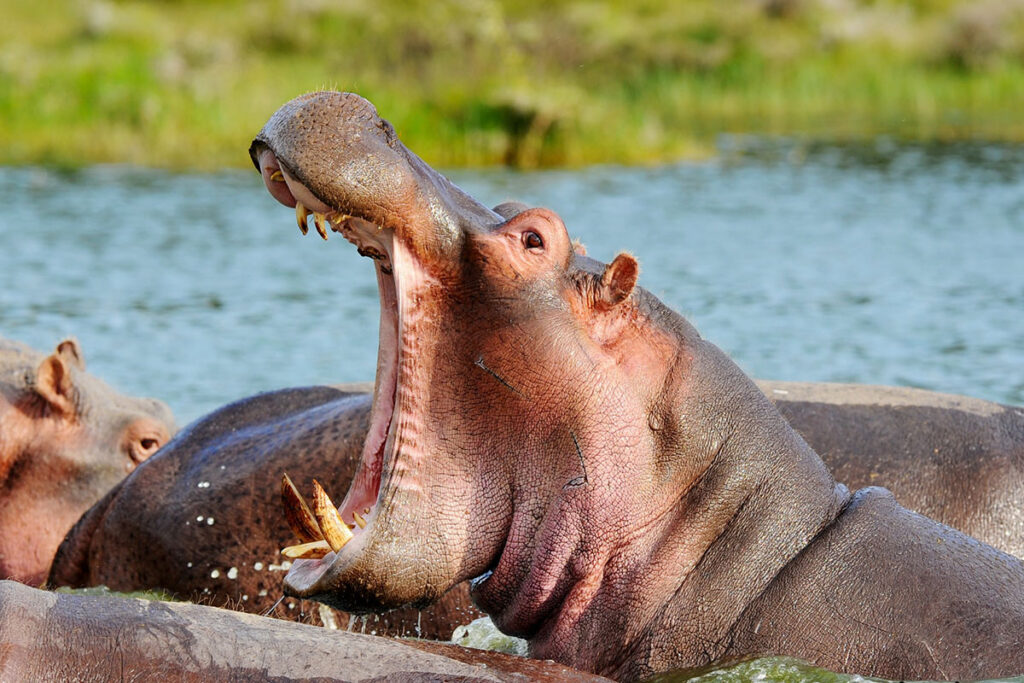
Rusizi National Park, Burundi – Hippos, Giant Crocodiles, Rusizi River Delta Wetlands, Migratory Birds and Burundi’s Most Accessible Wildlife Sanctuary
Rusizi National Park is one of Burundi’s most breathtaking natural landscapes—an unspoiled wetland sanctuary shaped by the graceful flow of the Rusizi River as it winds toward the vast waters of Lake Tanganyika. Located only a short drive from Bujumbura, the park offers a peaceful escape into nature, where papyrus swamps, riverine forests, floodplain grasslands and savanna woodlands create a haven for hippos, crocodiles and hundreds of bird species. For travelers seeking wildlife tours in Burundi, boat safaris near Bujumbura, birdwatching in East Africa or eco-tourism experiences along the Congo–Nile watershed, Rusizi National Park is an essential destination filled with beauty, serenity and wildlife.
The park’s scenery is defined by its intimate relationship with water. Every sunrise reveals golden reflections dancing across the river’s surface, birds gliding silently overhead and the gentle sound of fish breaking the surface. Hippos surface in calm pods, while crocodiles lie along sandy banks absorbing the warmth of the sun. Papyrus reeds sway softly in the breeze, creating a lush green backdrop against the open sky. This tranquil, cinematic atmosphere—combined with the park’s biodiversity, accessible location and cultural significance—makes Rusizi National Park a unique, soul-stirring travel experience in the heart of Africa.
Overview of Rusizi National Park
Rusizi National Park is one of Burundi’s most important conservation areas and its leading wildlife destination. Established in 1980, the park protects the lower Rusizi River Delta, an ecologically rich zone where river water, wetlands and savannas create habitats that attract a wide range of wildlife. Despite its modest size, the park is incredibly diverse due to its location along the East African flyway—a major route used by migratory birds traveling between Europe, Asia and Africa.
The park is divided into two main sections, Phase I and Phase II. Phase I is the primary tourist area, easily accessible from Bujumbura and offering game drives, walking trails and boat excursions along the river. Phase II stretches north toward the Rwandan border and protects more remote wetlands, islands, and breeding grounds for birds, crocodiles and fish. Together, these two zones safeguard one of Burundi’s most precious ecosystems and contribute significantly to the conservation of the Congo–Nile river basin.
Location, Size and Key Facts
Rusizi National Park lies in the northwestern corner of Burundi, nestled between the Rusizi River and the shores of Lake Tanganyika. Its proximity to Bujumbura makes it one of East Africa’s most accessible national parks, ideal for half-day or full-day excursions.
- Area: approx. 90 km²
- Coordinates: 3.18°S, 29.32°E
- Elevation: 780–850 m above sea level
- Established: 1980
- Sections: Rusizi Phase I and Phase II
- Main waterways: Rusizi River, Lake Tanganyika delta
- Nearest city: Bujumbura (15–20 minutes away)
Geography, Terrain and Landscape
Rusizi National Park is situated at the crossroads of dramatic geological features—the towering Albertine Rift mountains to the east, the deep basin of Lake Tanganyika to the west and the fertile Imbo Plain stretching south. This unique geographic position gives the park its mosaic of habitats, each shaped by the seasonal and permanent flow of the Rusizi River.
The river forms multiple channels across the delta, creating oxbow lakes, sandbanks, marshes and shallow pools that shift throughout the year. Along the water, dense belts of papyrus and reeds provide essential shelter for birds and aquatic species. Inland, the landscape transitions into savanna grasslands dotted with acacia trees, tamarinds and occasional palm clusters. These open plains offer grazing for antelopes and foraging opportunities for warthogs, monkeys and small predators.
Climate and Weather Patterns
Rusizi National Park enjoys a warm tropical climate moderated by the presence of Lake Tanganyika. Temperatures remain pleasant throughout the year, usually between 20–30°C, making it ideal for year-round tourism. Humidity peaks during the rainy season (October–May), bringing lush vegetation, full rivers and heightened bird activity.
The dry season (June–September) transforms the wetlands into a mosaic of shrinking pools and exposed sandbanks. Wildlife congregates around the remaining water, offering excellent viewing. The cooler mornings and clear skies during this season create perfect conditions for photography, while sunsets turn the river’s surface into a mirror of colors.
Hydrology and Water Systems
The hydrology of Rusizi National Park is remarkably dynamic and forms the foundation of its biodiversity. The Rusizi River, fed by Lake Kivu and several tributaries in Rwanda, enters Burundi as a wide, calm waterway before fanning out into the Rusizi Delta—a vast wetland where thick papyrus reeds and seasonal lakes flourish.
The river splits into three major branches within the park, each creating a network of marshes and shallow lagoons. Oxbow lakes, formed over decades as the river shifted course, provide year-round water sources for hippos, crocodiles, fish and migratory birds. The most visible hydrological feature is the Rusizi Plume, where sediment-laden river water flows into the crystal-clear waters of Lake Tanganyika, creating a dramatic color contrast visible even from above.
These wetlands filter water naturally, trap sediments, support fish breeding cycles and mitigate flooding—all essential services for local communities and the health of Lake Tanganyika.
Ecosystems and Vegetation Zones
Rusizi National Park encompasses several distinct ecosystems that together support a remarkable number of species.
Papyrus Wetlands
Tall papyrus forests dominate the riverbanks. These dense wetlands create specialized habitats for swamp-dwelling species like sitatunga antelope, papyrus warblers, frogs, aquatic insects and juvenile fish. The papyrus stands are also crucial for carbon storage and water filtration.
Riverine Forests
Ribbon-like riverine forests follow the Rusizi’s course. These areas consist of acacia species, sycamore figs, tamarind trees and fruit-bearing shrubs that support monkeys, bushbucks, warthogs and a variety of birds. Their shade and structure add essential ecological diversity to the park.
Floodplain Grasslands
Expansive floodplains flood during the rainy season, creating ideal feeding grounds for herons, pelicans, wading birds and amphibians. As the waters retreat, these plains become rich grazing areas for antelopes and other mammals.
Acacia Savannah
Acacia woodlands stretch across the inland regions of the park, hosting antelopes, jackals, monkeys, reptiles and insects. The savanna provides open visibility for wildlife viewing and supports diverse ecological interactions.
Wildlife of Rusizi National Park
Rusizi National Park is known for its hippos, crocodiles and birdlife, but its wildlife is more diverse than many expect. Its wetlands, riverbanks and savannas host a surprising variety of mammals, reptiles, birds and fish.
Mammals
Hippos are the stars of Rusizi National Park. Large pods spend their days resting in the water and emerge at night to graze. Nile crocodiles, some exceptionally large, share the riverbanks—including the legendary Gustave, a massive crocodile whose size and mystery have made him famous across East Africa.
- Hippos (multiple family groups)
- Nile crocodiles (including famous individuals)
- Sitatunga antelope (rare and specialized for swamp life)
- Bohor reedbuck
- African otter
- Warthog and bushpig
- Side-striped jackal
- Vervet and blue monkeys
Birdlife – Over 200 Species
Birdwatching is the highlight of Rusizi National Park. Its wetlands attract thousands of migratory birds as well as resident species that depend on the river and papyrus swamps. Seasonal migrations bring an extraordinary assortment of waterbirds, raptors, shorebirds and wetland species.
- Goliath heron, grey heron, purple heron
- Great white pelican, pink-backed pelican
- African openbill, yellow-billed stork
- White-faced whistling duck
- White-winged tern, common tern
- Pied, malachite and giant kingfishers
- African fish eagle, palm-nut vulture
- African jacana, stilts, sandpipers, plovers
Reptiles, Amphibians and Fish
The park’s warm wetlands are perfect habitats for reptiles and amphibians. Crocodiles bask on sandy banks, frogs chorus in the evenings and fish ripple the water.
- Nile crocodile (including the giant “Gustave”)
- African rock python, monitor lizards
- Tilapia, catfish, lungfish and juvenile Nile perch
- Tree frogs, bullfrogs and wetland amphibians
Local Communities and Cultural Significance
Communities around the Rusizi Delta—including those in Gatumba, Kinyinya and the Imbo Plain—depend on the river for fishing, agriculture and transportation. Traditional canoe-building, fishing techniques and knowledge of water plants are passed through generations.
The Rusizi River also features prominently in Burundian folklore. Tales of mythical river guardians, ancestral spirits and legendary creatures—including enormous crocodiles—have shaped local stories for centuries. Cultural tourism experiences around Bujumbura offer visitors a chance to learn about music, dance, crafts and daily life in riverside villages.
Conservation Management and Protection
Rusizi National Park is managed by the Office Burundais pour la Protection de l’Environnement (OBPE). Conservation priorities include preserving wetlands, protecting migratory bird habitats, monitoring hippo and crocodile populations and reducing human–wildlife conflict.
Rangers patrol key areas to prevent illegal fishing, burning of papyrus and encroachment into protected zones. The park also partners with regional and international organizations to promote education, ecological restoration and sustainable resource management.
Threats and Conservation Challenges
Rusizi National Park faces several modern pressures:
- Population growth and farmland expansion
- Pollution and sedimentation from upstream
- Overharvesting of papyrus and wetland plants
- Illegal fishing nets that endanger wildlife
- Seasonal fires in marsh areas
- Climate change altering water levels
- Human–wildlife conflict involving hippos and crocs
Protecting the park requires ongoing collaboration between communities, government agencies, conservation groups and local tourism operators.
Scientific Research and Monitoring
Rusizi National Park is an important research site for wetland ecology, migratory bird behavior, hydrology, fisheries biology and wildlife conservation. Scientists study:
- Bird migration patterns along the East African flyway
- Breeding cycles of fish in the delta
- Population health of hippos and crocodiles
- Water quality entering Lake Tanganyika
- Cross-border ecological dynamics with Rwanda and the DRC
- Wetland vegetation response to climate change
Tourism Activities in Rusizi National Park
Boat Safaris
Boat tours along the Rusizi River offer the most intimate way to experience the park. Visitors glide past pods of hippos, crocodile nesting sites, papyrus channels and bird colonies. Sunrise and sunset cruises offer magical light and excellent photography.
Birdwatching
With more than 200 species recorded, Rusizi is one of East Africa’s top birding destinations. Papyrus swamps, sandbars, lakeshores and savannas provide diverse habitats for both endemic and migratory species.
Game Drives and Walking Trails
Phase I offers short game routes that pass through savannas, wetlands and riverine forests. Guided nature walks reveal tracks, insects, small mammals, plants and seasonal flowers that often go unnoticed from vehicles.
Photography Safaris
Rusizi offers stunning photographic opportunities—misty wetlands in early morning light, dramatic African sunsets over Lake Tanganyika, close-up hippo encounters, and action-filled bird scenes. The calm atmosphere ensures uninterrupted shooting.
Access, Entrance and Safety Guidelines
Rusizi National Park is exceptionally easy to visit:
- Location: 15–20 minutes from Bujumbura
- Accessibility: Good paved roads lead to the entrance
- Entrance hours: 7:30 AM–6:00 PM
- Payment: Entrance fees paid at the gate (cash preferred)
Safety Guidelines
Given the presence of hippos and crocodiles:
- Do not walk near riverbanks
- Stay inside the vehicle or with a guide
- Keep a safe distance from wildlife
- Avoid loud noises that may disturb animals
Accommodation Options
While there are no lodges inside the park, Bujumbura offers excellent accommodation options within close reach:
- Lakeside resorts along Lake Tanganyika
- Eco-lodges in Gatumba and Kinyinya areas
- Midrange city hotels within Bujumbura
- Budget-friendly guesthouses and backpacker stays
- Hotels offering specialized Rusizi tour packages
Best Time to Visit Rusizi National Park
The dry season (June–September) provides the best wildlife visibility, calm water conditions for boat tours and excellent photography light. The wet season (October–May), however, is peak bird migration season and ideal for travelers seeking lush landscapes, breeding birds and dramatic skies.
Why Rusizi National Park Is Unique
Rusizi National Park stands out as one of East Africa’s most picturesque and peaceful wildlife destinations. Its exceptional birdlife, thriving hippo populations, legendary crocodiles, lush papyrus wetlands, scenic river landscapes and close proximity to Bujumbura create a safari experience unlike anywhere else in the region.
For travelers seeking a blend of wildlife, culture, wetlands and tranquil river scenery, Rusizi National Park is a natural masterpiece—beautiful, biodiverse and deeply connected to the ecological heartbeat of the Great Lakes region.