
Sabi Sand Game Reserve
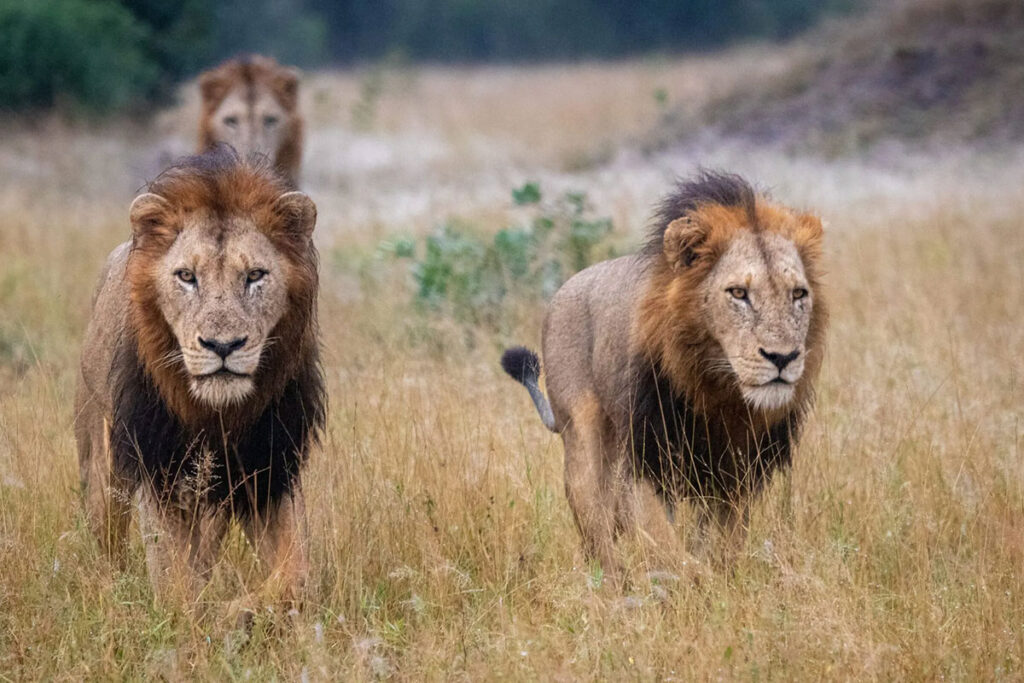
Sabi Sand Game Reserve, South Africa – Big Five Safaris, Legendary Leopard Sightings, Luxury Lodges and Africa’s Premier Private Wilderness
Sabi Sand Game Reserve is one of Africa’s most prestigious safari landscapes—an ancient wilderness where sweeping grasslands, riverine forests, granite outcrops and winding river valleys host some of the richest wildlife concentrations on the continent. Bordering the world-famous Kruger National Park with no fences separating them, Sabi Sand is part of a vast ecosystem that allows wildlife to roam freely across millions of acres. For travelers seeking Big Five safaris, unrivalled leopard encounters, luxury private lodges and exclusive off-road game viewing, Sabi Sand stands at the pinnacle of African safari destinations.
There is an unmistakable timelessness to Sabi Sand. Dawn breaks in hues of gold, illuminating mist rising from the Sand River as elephants wander through the trees. Leopards slip silently through the tall grass, hyenas call in the distance and herds of impala gather in the morning light. As night falls, the landscape transforms—lions roar across the plains, owls call from ancient leadwood trees, and the southern sky glitters above untouched wilderness. This extraordinary sensory tapestry—combined with warm hospitality, elite guiding and decades of conservation leadership—makes Sabi Sand one of Africa’s most immersive, soulful and authentic wildlife experiences.
Overview of Sabi Sand Game Reserve
Sabi Sand is globally acclaimed for delivering some of the most consistent and intimate wildlife sightings in Africa. Its leopards, in particular, are legendary. Decades of sensitive guiding and careful habituation have created a leopard population uniquely relaxed around safari vehicles, making the reserve one of the greatest places on Earth to observe these elusive cats at close range.
Equally remarkable is the seamless way in which Sabi Sand integrates conservation, tourism and community development. As part of the Greater Kruger ecosystem, wildlife benefits from large landscapes and free movement across millions of hectares. Private landowners collaborate under the Sabi Sand Wildtuin authority, coordinating anti-poaching patrols, fire management, ecological monitoring, research programs and sustainable tourism guidelines. This unified conservation approach has made Sabi Sand a model for private wildlife reserves worldwide.
Location, Size and Key Facts
Located in northeastern South Africa, Sabi Sand occupies a prime position within the Lowveld—a region known for its exceptional biodiversity, warm climate and classic African savanna landscapes. The reserve lies within Mpumalanga Province and shares an unfenced border with Kruger National Park.
- Area: approx. 65,000 hectares (650 km²)
- Coordinates: 24.85°S, 31.47°E
- Altitude: 270–480 meters above sea level
- Established: 1948
- Main Rivers: Sand River and Sabie River
- Biome: Lowveld savanna
- Neighboring Reserve: Kruger National Park (no fences)
- Main Gates: Shaws Gate, Newington Gate, Gowrie Gate
Geography, Terrain and Landscape
Sabi Sand’s terrain is shaped by ancient granite bedrock and nutrient-rich soils that support an impressive variety of vegetation types. Wide open plains give way to thickets, woodlands and dense riverine forests, creating distinct habitats that support different animal communities. Tall marula trees, knob-thorns, leadwoods and jackalberries dominate the landscape, while towering sycamore figs line the riverbanks.
Granite outcrops and koppies rise from the savanna, offering panoramic views and providing shelter for hyraxes, reptiles and birds of prey. Seasonal drainage lines and old riverbeds carve through the terrain, attracting wildlife during both wet and dry seasons. These geological and ecological features create a landscape filled with microhabitats, each supporting its own web of life.
Climate and Weather Patterns
Sabi Sand’s climate is characterized by warm temperatures year-round, with seasonal variations that shape the safari experience. Summer—October to April—is hot, humid and vibrant. Afternoon thunderstorms roll across the plains, replenishing waterholes and triggering new plant growth. This is the season of young animals, migrant birds and dramatic skies.
The dry season—May to September—offers ideal game-viewing conditions. Vegetation thins, water sources become limited and animals gather around rivers, making their movements predictable and sightings exceptionally reliable. The crisp mornings, sunny afternoons and cool evenings provide comfortable conditions for extended game drives and wildlife photography.
Hydrology and Water Systems
Two major rivers define the reserve’s hydrology—the Sand River and the Sabie River. Flowing year-round, these waterways create lush riverine forests and sustain wildlife even during the driest months. The Sand River, which winds through the heart of the reserve for more than 70 kilometers, is particularly important. Its fertile banks support some of the highest densities of herbivores, predators and birdlife in the Lowveld.
Numerous seasonal pans, marshes and restored dams add to the reserve’s hydrological complexity. These water sources fill during summer rains, creating breeding habitats for fish, amphibians and aquatic insects. As they shrink in winter, they become vital wildlife hubs, attracting elephants, buffalo, antelope and predators.
Ecosystems and Vegetation Zones
Sabi Sand encompasses several interconnected ecosystems typical of the Lowveld. This variety ensures a high level of biodiversity and enhances the richness of the safari experience.
Granite Lowveld Savanna
This dominant ecosystem features tall grasses, scattered trees and expansive grazing areas. Marula, knob-thorn, leadwood and bushwillow trees shape the landscape, providing food for elephants, giraffes and browsers, while grasses support zebras, wildebeest and antelopes.
Riparian Forests
Along the Sand and Sabie rivers, dense riparian forests flourish. These evergreen corridors remain green throughout the year, offering cool refuge for wildlife during the heat of the day. Leopards, vervet monkeys, nyalas and bushbucks thrive here, alongside kingfishers, hornbills and other river-dependent bird species.
Termite Mound Thickets
Termite mounds enrich the soil and support pockets of dense, nutrient-rich vegetation. These mounds host insects, reptiles and small mammals while serving as lookout points for predators and nesting sites for birds.
Seasonal Wetlands and Pans
During the rainy season, shallow wetlands fill with water, creating habitats for frogs, aquatic plants and waterbirds. These pans also play a role in groundwater recharge and become hotspots for wildlife during the early dry season.
Wildlife of Sabi Sand Game Reserve
Sabi Sand is renowned for its remarkable wildlife concentrations and relaxed animals, which allow for exceptionally close and intimate sightings. The reserve supports robust populations of predators, herbivores, primates and birdlife, making it one of Africa’s premier safari destinations.
Mammals
With more than 145 species of mammals, Sabi Sand offers some of the best Big Five viewing in the world. The reserve’s leopards are particularly famous, with well-documented lineages and individual animals known and followed for generations.
- Big Five: lions, leopards, elephants, rhinos and buffalo
- Predators: cheetahs, African wild dogs, hyenas, servals, caracals
- Herbivores: giraffes, zebras, wildebeest, hippos, kudus, nyalas, impalas
- Other mammals: civets, genets, mongooses, porcupines, jackals
- Primates: vervet monkeys, chacma baboons, bushbabies
Birdlife
Sabi Sand is a world-class birdwatching destination with more than 500 species recorded. Its diverse habitats support a rich mix of raptors, waterbirds, woodland birds and migratory species.
- Martial eagle, tawny eagle and bateleur
- Southern ground hornbill
- Kori bustard, saddle-billed stork and herons
- Kingfishers, bee-eaters, rollers and hornbills
Reptiles, Amphibians and Insects
The reserve’s warm climate supports a variety of reptiles, including African rock pythons, monitor lizards, boomslangs, puff adders and crocodiles. More than 30 amphibian species appear during the rainy season, while butterflies, dragonflies, beetles, spiders and scorpions contribute to the reserve’s ecological complexity.
Local Communities and Cultural Significance
The Sabi Sand region has deep historical ties to Shangaan/Tsonga communities, who have lived in the area for generations. Their cultural heritage includes rich traditions of storytelling, music, dance, spiritual practices and ecological knowledge. Today, many community members work as expert guides, trackers, lodge staff and conservation officers.
Community partnerships form a vital part of the reserve’s success. Lodges support education, healthcare, scholarships, craft cooperatives, cultural tourism and sustainable enterprise projects that create long-term opportunities for local families.
Conservation Management and Protection
Sabi Sand Wildtuin coordinates advanced conservation initiatives across the reserve. Anti-poaching patrols, canine units, aerial surveillance and digital monitoring systems protect rhinos, elephants and other vulnerable species. These programs are supported by tourism revenue and lodge conservation levies.
Habitat management focuses on fire control, invasive species removal, erosion prevention and water resource protection. Regular ecological assessments help guide decisions on vegetation, wildlife movements and long-term sustainability.
Threats and Conservation Challenges
Despite its success, Sabi Sand faces threats including rhino poaching, climate change impacts, human–wildlife conflict and habitat pressure along reserve boundaries. Addressing these challenges requires continuous investment, strong community partnerships and cutting-edge technological solutions.
Scientific Research and Monitoring
Sabi Sand is a center for scientific research on predator ecology, herbivore behavior, bird conservation and vegetation dynamics. Long-term studies have produced invaluable insights into leopard genetics, lion territoriality, ground hornbill reproduction, elephant movements and ecosystem change.
- Leopard and lion tracking programs
- Ground hornbill nest monitoring
- Rhino dehorning and GPS tracking
- Camera trap biodiversity surveys
- Vegetation and fire ecology studies
- Elephant and herbivore impact monitoring
Tourism Activities in Sabi Sand Game Reserve
Game Drives
Guided game drives are the heart of the safari experience. Morning drives begin at sunrise when predators are still active, while afternoon drives stretch into early evening—a time when nocturnal animals emerge. The guide-and-tracker system enhances these experiences, with trackers reading tracks, listening for alarm calls and spotting wildlife invisible to the untrained eye.
Off-Road Viewing
Unlike national parks, Sabi Sand allows ethical off-road driving for special sightings. This makes it possible to follow lions on a hunt, watch leopards in trees, observe cheetahs with cubs and position vehicles for world-class photography.
Bush Walks
Walking safaris provide an intimate connection with the environment. Guests learn about medicinal plants, animal tracks, insect behavior and the subtle relationships that underpin the entire ecosystem. These walks deepen appreciation for the reserve’s ecological balance and natural beauty.
Photography Safaris
Sabi Sand’s relaxed wildlife and breathtaking landscapes make it a paradise for photographers. Many lodges offer specialized photographic safaris with private vehicles, expert instructors, editing lessons and equipment rentals. Sunrise and sunset light adds dramatic mood to every image.
Permits and Responsible Tourism
Only lodge guests may enter Sabi Sand, ensuring low-impact tourism. Conservation levies support anti-poaching teams, ecological research and community programs. Responsible tourism guidelines emphasize respectful wildlife viewing, limited noise, no feeding of animals and strict adherence to guide instructions.
Accommodation Options
Sabi Sand hosts South Africa’s most celebrated safari lodges, including Singita, Londolozi, MalaMala, Sabi Sabi, Lion Sands, Leopard Hills and Cheetah Plains. These lodges offer world-class hospitality, private plunge pools, gourmet dining, spa treatments, exceptional guiding and luxurious suites overlooking pristine wilderness.
From ultra-luxury villas to elegant tented camps and exclusive-use private homes, accommodations cater to every traveler seeking unparalleled comfort and authenticity in the African bush.
Best Time to Visit
The dry season (May to September) offers outstanding wildlife visibility, cooler temperatures and minimal rainfall. This is the prime period for Big Five sightings. The wet season (October to April), however, brings lush greenery, dramatic storms, migrant birds and newborn animals. Both seasons offer exceptional safari experiences, each with its own character and appeal.
Why Sabi Sand Game Reserve Is Unique
Sabi Sand Game Reserve stands out as one of Africa’s most exceptional wilderness destinations. Its legendary leopard population, thriving wildlife, exclusive off-road viewing, expert guide-tracker teams, luxurious accommodations and long-standing commitment to conservation make it a place where every moment feels profound and immersive.
For travelers seeking extraordinary Big Five encounters, breathtaking landscapes and the perfect fusion of exclusivity and authenticity, Sabi Sand offers a safari that is inspiring, emotional and unforgettable. It is not merely a destination—it is a masterpiece of African wilderness, shaped by nature and protected through generations of dedication.