
Sainte Anne Marine National Park
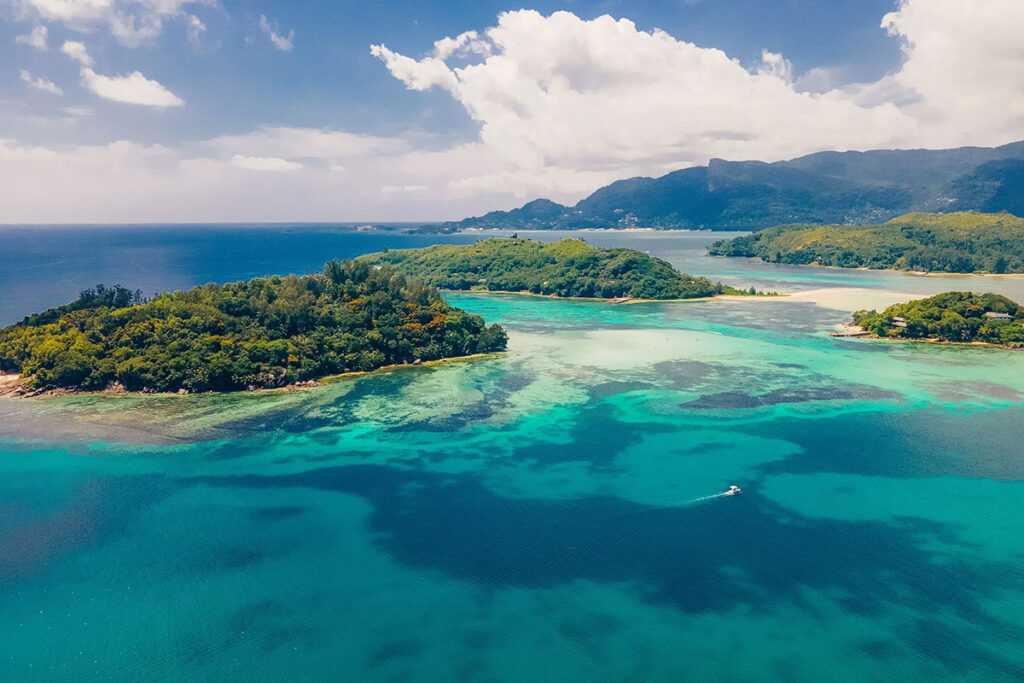
Sainte Anne Marine National Park, Seychelles – Coral Reefs, Island Sanctuaries, Sea Turtles, Snorkeling Adventures and Indian Ocean Biodiversity Haven
Sainte Anne Marine National Park is one of the Indian Ocean’s greatest natural sanctuaries—an underwater paradise of thriving coral reefs, turquoise lagoons, tropical islands, and protected marine life just off the coast of Mahé, Seychelles. Established in 1973 as the first marine national park in the Western Indian Ocean, this extraordinary 14.43 km² reserve protects a mosaic of vibrant habitats, including seagrass meadows, mangrove remnants, granite island forests, sandy beaches, and rich fringing reefs that support remarkable biodiversity. Easily accessible yet wonderfully pristine, the park is one of Seychelles’ most enchanting destinations for snorkeling, diving, island-hopping, and intimate encounters with sea turtles and colorful reef species.
Visiting Sainte Anne Marine National Park feels like stepping into a living tropical aquarium. The water is impossibly clear, revealing gardens of branching coral, schools of brightly colored fish, and turtles gliding gracefully through the seagrass beds. On the islands, giant tortoises wander through coastal forests, waves lap against white-sand beaches, and remnants of early Creole history whisper stories of Seychelles’ cultural past. This magical blend of marine beauty, ecological importance, and island charm makes the park one of the most captivating natural treasures in the Seychelles archipelago—an essential destination for travelers seeking untouched nature, underwater adventures, and the wild heart of the Indian Ocean.
Overview of Sainte Anne Marine National Park
Sainte Anne Marine National Park is a protected cluster of six islands—Sainte Anne, Cerf, Moyenne, Round, Long, and Île Cachée—surrounded by nutrient-rich waters and vibrant coral ecosystems. These sheltered shallow seas act as critical nurseries for fish, rays, and sea turtles, while the islands provide safe nesting grounds for seabirds and important habitats for endemic plants and reptiles. As one of Seychelles’ oldest and most carefully managed marine parks, it plays a vital role in marine conservation, environmental education, and sustainable eco-tourism.
The park’s calm lagoons and diverse habitats make it ideal for snorkeling, glass-bottom boat tours, kayaking, and nature walks. Its proximity to Mahé—just 15 to 20 minutes by boat—has made it a favorite for day trips and guided tours, while remaining protected by strict conservation regulations that limit fishing, coral collection, and anchoring on sensitive reefs. Sainte Anne Marine National Park stands as a shining example of Seychelles’ commitment to preserving its natural heritage while offering unforgettable experiences for travelers.
Location, Size and Key Facts
Situated directly off the east coast of Mahé, near Victoria, the park is perfectly positioned for easy access while maintaining a feeling of tropical seclusion. Its granitic islands rise from shallow coral-filled waters, surrounded by sheltered lagoons ideal for wildlife viewing and water-based activities.
- Area: Approximately 14.43 km²
- Coordinates: Around 4.6167°S, 55.5000°E
- Establishment: 1973 (first marine national park in the Western Indian Ocean)
- No. of Islands: Six — Sainte Anne, Cerf, Moyenne, Long, Round, Île Cachée
- Nearest Access Point: Mahé Island (Victoria and Eden Island marinas)
- Ecosystem Types: Coral reefs, seagrass beds, coastal forests, mangroves, sandy beaches
- Depth Range: 1–25 meters
Geography, Terrain and Marine Landscape
The geography of Sainte Anne Marine National Park reflects Seychelles’ unique granitic island origins. Massive granite boulders shape the islands’ topography, creating rugged shorelines, secluded coves, and shallow lagoons sheltered from ocean currents. Underwater, the terrain is equally diverse—coral gardens stretch across sandy seabeds, seagrass plains ripple in the gentle tides, and patch reefs form miniature underwater mountains teeming with life.
The island terrain includes low-elevation forests, rocky outcrops, coastal vegetation belts, and stretches of immaculate white-sand beaches. Each island has its own distinct character: Moyenne is famed for its giant tortoises and restored forests, Cerf Island offers peaceful beaches, and Sainte Anne—the largest island—boasts some of the region’s richest marine habitats. Together, these landscapes create a visually stunning and ecologically complex sanctuary.
Climate and Weather Patterns
Sainte Anne Marine National Park enjoys a warm tropical oceanic climate with consistent temperatures and high humidity. Seas remain warm year-round, averaging 26–30°C, making swimming and snorkeling enjoyable in every season. The park is influenced by two main monsoon cycles:
- Northwest Monsoon (October–April): Calmer seas, light winds, and excellent underwater visibility—ideal for snorkeling and diving.
- Southeast Monsoon (May–September): Stronger winds, slightly cooler temperatures, and livelier waves—perfect for hiking, photography, and exploring the islands.
Rain is more frequent between December and February, but showers are typically short and followed by sunshine. The shifting monsoon patterns create dynamic marine conditions that support nutrient mixing and seasonal wildlife migrations.
Hydrology and Water Systems
The hydrology of the park is defined by tidal patterns, monsoon-driven currents, and the sheltered nature of its lagoon. These characteristics create excellent conditions for coral growth and provide ideal nursery zones for juvenile fish and marine invertebrates. The seagrass meadows—primarily composed of Thalassia hemprichii and Cymodocea rotundata—function as feeding grounds for green turtles and support essential marine food webs.
Freshwater on the islands is limited, but natural springs and rainfall support small patches of mangroves and coastal vegetation. The shallow depth of the lagoons enhances sunlight penetration, enabling high photosynthetic activity and creating some of the brightest, clearest waters in the Seychelles archipelago.
Ecosystems and Vegetation Zones
Sainte Anne Marine National Park hosts a rich mosaic of ecosystems that blend land and sea into a seamless natural tapestry. Each zone supports unique species and ecological processes essential to the health of the marine reserve.
Coral Reef Ecosystems
The park contains over 150 species of hard and soft corals, including branching corals, table corals, massive brain corals, fire corals, and colorful soft coral formations. These reefs provide shelter for numerous fish species and are among the healthiest in Seychelles due to strong conservation management and limited fishing pressure.
Seagrass Meadows
Extensive seagrass beds carpet the sandy lagoons, forming vital feeding zones for green sea turtles and nursery areas for juvenile rays, reef fish, and invertebrates. They also play a major role in carbon sequestration and sediment stabilization.
Mangroves and Coastal Vegetation
Small pockets of mangroves exist on select islands, providing habitat for crab species, juvenile fish, and coastal birds. Coastal forests include takamaka, casuarina, coconut palms, and endemic shrubs adapted to salt spray and sandy soils.
Island Forests and Granite Outcrops
Moyenne Island’s restored forest is a sanctuary for giant tortoises, fruit bats, and bird species. Dense coastal woodland and granite ridges provide habitat diversity across the island cluster.
Wildlife of Sainte Anne Marine National Park
Marine Life and Fish Diversity
The park is home to more than 100–150 species of reef fish, making it one of Seychelles’ most colorful marine destinations. Common sightings include butterflyfish, angelfish, parrotfish, groupers, snappers, surgeonfish, clownfish, barracudas, and schools of shimmering fusiliers. The park’s reefs support multiple species of rays, including eagle rays and stingrays, as well as occasional sightings of reef sharks such as blacktip reef sharks.
Sea Turtles
Sainte Anne Marine National Park is a crucial haven for endangered sea turtles, particularly:
- Green turtles: Nesting season typically runs from October to March.
- Hawksbill turtles: Nest from September to February.
Visitors often encounter turtles grazing in the seagrass beds, especially near Chesire and Sainte Anne Island.
Birdlife
The islands host several resident and migratory bird species including fairy terns, white-tailed tropicbirds, herons, noddies, sunbirds, whimbrels, and Seychelles kestrels. Granite cliffs and coastal forests provide nesting areas for shorebirds and seabirds.
Reptiles, Amphibians and Invertebrates
Giant Aldabra tortoises roam freely on Moyenne Island, while skinks, geckos, and harmless snake species inhabit the forested zones. Insects include butterflies, dragonflies, beetles, and diverse pollinators. The islands’ moist microhabitats may support a few amphibians, though reptiles dominate.
Local Communities and Cultural Significance
Though the park has no permanent settlements today, several islands were once inhabited by early French settlers, fishermen, and Creole families. Ruins of colonial-era homes, ancient wells, and plantation remnants still stand, offering a glimpse into Seychelles’ cultural history.
Moyenne Island is legendary for its charismatic conservation champion, Brendon Grimshaw, who purchased the island in the 1960s and transformed it into a private nature sanctuary. His reforestation efforts, tortoise conservation, and preservation of historic artifacts remain an inspiring story woven into the identity of the park.
Conservation Management and Protection
The park is managed by the Seychelles National Parks Authority (SNPA), which enforces strict regulations on fishing, anchoring, coral collection, and coastal development. Conservation programs include coral monitoring, turtle nesting surveys, invasive species removal, and seagrass mapping. Through scientific research and community engagement, the park serves as a model for marine conservation in the Western Indian Ocean.
Threats and Conservation Challenges
Despite its protection, Sainte Anne Marine National Park faces significant environmental pressures:
- Coral bleaching events linked to rising sea temperatures
- Damage from boat anchoring on sensitive reefs
- Illegal fishing incidents
- Marine litter carried by ocean currents
- Coastal erosion and sea-level rise
Continued investment in reef restoration, community awareness, and sustainable tourism is essential to safeguard the park’s ecological integrity.
Scientific Research and Monitoring
Sainte Anne Marine National Park is an important research hub for coral ecology, seagrass carbon studies, turtle behavior, and fish population health. Partnerships with universities and NGOs support long-term monitoring of reef resilience, turtle nesting trends, and responses to climate change. These studies inform adaptive management and guide conservation strategy across Seychelles’ marine protected areas.
Tourism Activities in the Marine Park
Snorkeling and Diving
The park’s shallow coral reefs and clear waters offer spectacular snorkeling and diving for beginners and experienced explorers. Vibrant reefs surround the islands, providing up-close views of fish, rays, and macro marine life.
Glass-Bottom Boat Excursions
Glass-bottom boat tours are perfect for travelers wanting to enjoy marine life without getting wet. These tours highlight coral structures, fish schools, and turtle habitats.
Island-Hopping Adventures
- Moyenne Island: Giant tortoises, restored forest trails, historic ruins.
- Cerf Island: Quiet beaches and natural swimming lagoons.
- Round Island: Dramatic granite scenery.
- Long Island: Pristine coastlines.
- Île Cachée: A protected reserve and turtle nesting site.
Kayaking and Paddleboarding
Calm lagoons make the park ideal for paddling over shallow reefs and exploring island coastlines.
Turtle and Dolphin Viewing
Green turtles frequently graze in the lagoons, while spinner dolphins occasionally pass through deeper channels around the park.
Permits, Regulations and Responsible Tourism
All visitors must pay a marine park entrance fee, often included in tour packages. Regulations prohibit fishing, coral collection, shell removal, feeding wildlife, and anchoring on reefs. Reef-safe sunscreen use is highly encouraged to protect fragile corals.
Accommodation Options
Accommodation within and around the marine park includes boutique lodges and guesthouses on Cerf Island and exclusive eco-retreats on nearby Mahé. These properties offer beach access, peaceful surroundings, and easy boat transfers into the park. Many provide guided snorkel excursions and nature walks.
Best Time to Visit Sainte Anne Marine National Park
The best time to visit is from October to April during the calm Northwest Monsoon, when water clarity is at its highest and marine life is most visible. Diving and snorkeling conditions are excellent, and turtle sightings are common. The Southeast Monsoon (May–September) offers cooler weather, dramatic skies, and excellent island hiking.
Why Sainte Anne Marine National Park Is Unique
Sainte Anne Marine National Park stands out for its rare combination of accessibility, natural beauty, and ecological richness. It protects some of the oldest and most diverse coral reef systems in the Seychelles, offers exceptional opportunities to observe sea turtles in the wild, and preserves the cultural history of the islands. Its calm lagoons, vibrant underwater landscapes, and charming granite islands create an unforgettable experience for nature lovers, snorkelers, photographers, and conservation enthusiasts.
More than just a marine reserve, Sainte Anne Marine National Park is a living sanctuary where the wild heart of the Indian Ocean thrives, inspiring travelers with its purity, tranquility, and timeless natural splendor.