
Sibiloi National Park
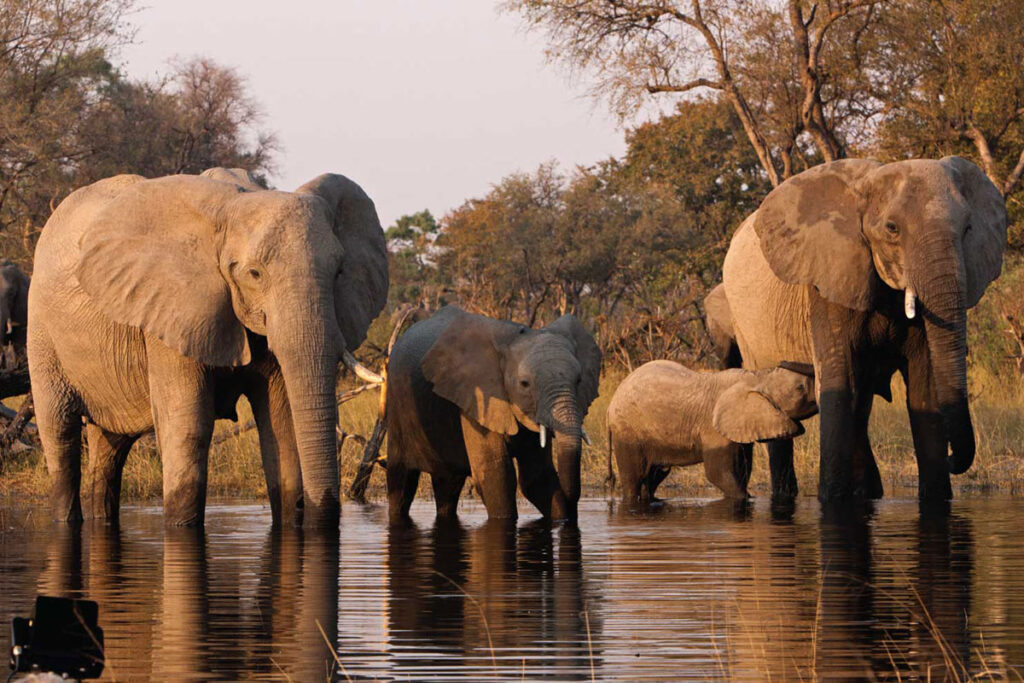
Sibiloi National Park – The Cradle of Humankind, Koobi Fora Fossils, Lake Turkana’s Jade Wilderness and Kenya’s Great Prehistoric Open-Air Museum
Sibiloi National Park is one of Africa’s most extraordinary protected areas—an immense desert wilderness that holds the keys to understanding the origins of humanity. Established in 1973 and covering 1,570 km² along the northeastern shores of Lake Turkana in northern Kenya, Sibiloi is globally renowned for its unrivaled concentration of hominid fossils, dramatic volcanic landscapes and rare desert-adapted wildlife. It forms part of the Lake Turkana National Parks UNESCO World Heritage Site and is widely celebrated as the “Cradle of Humankind.” At the heart of the park lies the famous Koobi Fora Formation, where fossils dating back over 3.5 million years have redefined how scientists understand human evolution. At the same time, the park protects sweeping desert plains, eroded fossil beds, extinct volcanoes and the shimmering turquoise waters of Lake Turkana—Africa’s largest desert lake and a lifeline for both wildlife and pastoral communities.
Despite its remote location and harsh climate, Sibiloi is a place of astounding scientific, ecological and cultural richness. The landscapes appear barren at first glance, yet they hold some of the richest natural archives on Earth: fossilized forests, ancient lake sediments, early stone tools, extinct megafauna remains and a wealth of geological formations shaped by millions of years of rift valley activity. The park is also home to the Turkana, Gabbra and Dasanach peoples, whose unique cultures and traditional livelihoods—centered around pastoralism, fishing and survival in extreme desert conditions—form an integral part of this living heritage. Combined, the park’s prehistoric, ecological and cultural dimensions create one of the most fascinating destinations in Africa.
Location, Size and Geographic Setting
Sibiloi National Park lies in the far northeast of Kenya’s Marsabit County, bordering the remote eastern coastline of Lake Turkana. Its isolation—roughly 800 km from Nairobi and accessible only via rugged desert roads—has helped preserve its natural and prehistoric treasures. Spanning approximately 1,570 km², the park encompasses the fossil-rich Koobi Fora region, vast sand and gravel plains, rugged volcanic ridges, shoreline bays, seasonal riverbeds and ancient geological terraces carved by wind and tectonic uplift. Sitting at an elevation of around 360 meters above sea level, the park lies within one of the hottest and driest zones of the entire Rift Valley.
- Area: 1,570 km²
- Established: 1973
- UNESCO Status: Part of Lake Turkana National Parks World Heritage Site
- Coordinates: Approx. 3°45’ N, 36°35’ E
- Elevation: ~360 m above sea level
Its location within the eastern arm of the Great Rift Valley makes Sibiloi one of the most geologically active and ecologically unique regions in Africa. The combination of tectonic subsidence, volcanic activity and historical lake fluctuations has created the perfect conditions for both fossil preservation and dramatic desert scenery.
Geology, Landscape Formation and Volcanic History
The geological story of Sibiloi National Park is nothing short of spectacular. Millions of years of tectonic activity, volcanic eruptions and sedimentation have shaped the park into a complex mosaic of lava flows, tuff deposits, ash layers and eroded gullies. These geological processes created the ideal environment for preserving fossils dating back to the Pliocene and early Pleistocene epochs—making Sibiloi one of the most important paleo-landscapes on Earth.
The Koobi Fora Formation, which dominates the eastern shoreline of the lake, contains multiple fossil-bearing strata that have yielded hominid remains, ancient mammals, reptiles, mollusks and plant fossils. Petrified wood from prehistoric forests, now mineralized by volcanic ash and silica-rich groundwater, lies scattered across the landscape as a testament to ancient vegetation that once thrived here. Lava ridges, conical hills, basaltic outcrops and wind-carved desert pavements further enrich the park’s geological diversity.
- Pliocene and Pleistocene strata: Source of the park’s most significant hominid fossils
- Petrified forests: Remnants of ancient woodlands fossilized by volcanic activity
- Volcanic cones: Evidence of early Rift Valley eruptions
- Alluvial terraces: Shaped by ancient water flow patterns
- Desert badlands: Eroded formations exposing fossil layers
This exceptional geological record makes Sibiloi a natural laboratory for studying Earth’s environmental history over millions of years.
Climate and Seasonal Dynamics
Sibiloi National Park experiences an extremely arid desert climate, among the most severe anywhere in Africa. Daytime temperatures frequently exceed 40°C, especially between December and March, while annual rainfall is minimal and erratic, averaging only 150–250 mm per year. Humidity is low, evaporation rates are high and cloud cover is rare, resulting in intense solar exposure that dictates the survival strategies of plants, animals and human communities alike.
- Climate type: Hyper-arid desert
- Annual rainfall: 150–250 mm
- Temperature range: 30°C–45°C
- Rain seasons: March–May and October–December (highly unpredictable)
This harsh climate has created a landscape where only the most resilient organisms survive. Wildlife has adapted through specialized feeding strategies, water conservation, nocturnal habits and use of shade. For local communities, traditional knowledge passed down through generations remains essential for navigating such harsh conditions.
Hydrology – Lake Turkana, Desert Rivers and the Jade Sea
The hydrology of Sibiloi is dominated by Lake Turkana, a vast turquoise expanse stretching over 250 km in length and forming the world’s largest permanent desert lake. Known as the “Jade Sea” for its vivid coloration caused by suspended volcanic minerals, Lake Turkana plays a central role in supporting life throughout the region. Although extremely alkaline, the lake supports a diverse fish population, large crocodile nurseries, hippo families and migratory birds.
- Primary inflow: Omo River from Ethiopia (over 80% of total inflow)
- Secondary inflows: Seasonal ephemeral streams, including the Sibiloi and Karsa riverbeds
- Lake depth: Approx. 30–110 m
- Hydrological threat: Upstream damming and climate change affecting lake levels
The Omo River is vital for regulating Lake Turkana’s water levels and ecological balance. Recent hydrological shifts—driven partly by upstream dam projects—pose significant concerns for the long-term stability of the lake’s ecosystems. The entire biological system of the park, including fish breeding patterns and crocodile nesting sites, depends on the delicate hydrological rhythms of Turkana.
Lake Turkana Marine Ecology
Lake Turkana supports a unique assemblage of aquatic life, remarkable given its desert location and high alkalinity. More than 60 species of fish—including tilapia, catfish, barbs, and various endemic species—have adapted to flourish in these mineral-rich waters. The lake is also home to one of the world’s largest populations of Nile crocodiles, which nest on sandy shorelines and feed on abundant fish stocks.
- Key fish species: Nile tilapia, African sharptooth catfish, endemic Turkana barbs
- Crocodiles: One of the world’s largest breeding populations
- Hippos: Mainly in sheltered inlets and shallow bays
- Birds: Pelicans, flamingos, African fish eagles, grebes
This marine ecosystem serves as a critical feeding and breeding ground for waterbirds migrating along the East African flyway, making Sibiloi a strategic birdwatching destination.
Ecosystems and Habitat Diversity
Sibiloi National Park, though primarily a desert environment, contains a mosaic of distinctive habitats shaped by ancient geological forces, lake influences and extreme climatic conditions. Each of these habitats supports species finely tuned to survive in an environment of scarcity and unpredictability.
- Open desert plains: Ideal for oryx and Grevy’s zebras
- Volcanic ridges and lava fields: Habitat for hyenas, reptiles and small mammals
- Lake shorelines: Hippos, crocodiles, shorebirds and fish nurseries
- Petrified forests: Fossilized woodlands dating back millions of years
- Badlands: Eroded landscapes where fossils are exposed naturally
- Seasonal grasslands: Briefly sprouting after rare rains
Together, these habitats form one of Africa’s most unusual wilderness ecosystems—harsh yet vibrant, ancient yet biologically active.
Flora – Desert Vegetation and Fossilized Forests
Vegetation in Sibiloi is sparse but ecologically crucial. The hyper-arid climate supports hardy shrubs, thornbush, drought-resistant grasses and shrubs adapted to conserving moisture and surviving extreme heat. Along the lake’s alkaline shores, salt-loving plants thrive, providing grazing for herbivores. The most striking botanical feature, however, is the park’s famous Petrified Forest—a surreal landscape where ancient trees from millions of years ago lie preserved as stone.
- Acacia tortilis: Dominant desert tree providing shade and food
- Commiphora shrubs: Resin-rich plants adapted to drought
- Saline grasses: Thriving in alkaline near-shore soils
- Petrified trees: Volcanically fossilized specimens dating to the Pliocene
These plants anchor the fragile desert soil, support herbivores and maintain some of the last intact desert vegetation communities in northern Kenya.
Wildlife of Sibiloi National Park
Sibiloi’s wildlife is unique, adapted to survive in one of the most challenging climates in Africa. Though densities are lower than in savannah parks, the species present here are remarkable and often rare elsewhere. Many are specially adapted to survive prolonged drought, extreme heat and seasonal scarcity of vegetation.
Mammals
- Grevy’s zebra: Endangered, heat-tolerant and one of the park’s flagship species
- Beisa oryx: Iconic antelope adapted to desert conditions
- Gerenuk: Long-necked browser feeding on higher shrub leaves
- Lesser kudu: Shy species hiding in rocky habitats
- Striped hyena: Efficient desert scavenger
- Hippos and crocodiles: Abundant along the shores of Turkana
Birdlife
More than 350 species of birds have been recorded in Sibiloi and Lake Turkana, making the park a crucial site along the East African flyway. Migratory birds rely on the lake’s fish-rich shallows and wetland patches during long seasonal journeys.
- Pelicans
- Flamingos
- Grebes
- Herons
- Fish eagles
- Cormorants
- Sandgrouse
Reptiles
- Nile crocodile: One of the world’s largest breeding populations
- Monitor lizards: Abundant along shorelines
- Tortoises, skinks and desert snakes: Common in dry scrublands
Koobi Fora – The Cradle of Humankind
Koobi Fora is the scientific heart of Sibiloi National Park and arguably the most important paleoanthropological site on Earth. Since the late 1960s, excavations led by Richard Leakey and the National Museums of Kenya have uncovered a staggering array of fossils, including hominid remains that have revolutionized our understanding of early human ancestors. The Koobi Fora Formation preserves sediments spanning over 4 million years, creating an unparalleled timeline of evolutionary and environmental change.
Major Hominid Discoveries
- KNM-ER 1470 (Homo rudolfensis): 1.9 million-year-old skull reshaping hominid taxonomy
- KNM-ER 3733 (Homo erectus): One of the most complete early human skulls ever found
- Australopithecus boisei remains: Robust hominins with distinctive chewing adaptations
- Stone tools: Evidence of early technological innovation
Paleo-Environmental Insights
Koobi Fora’s fossils have revealed invaluable insights into ancient ecosystems, climate variability and the evolutionary pressures shaping early hominids. Fossilized hippos, crocodiles, turtles, fish and elephants show that ancient Lake Turkana was once far more extensive than it is today, with lush wetlands and grasslands surrounding it. These conditions created a rich environment where early humans evolved, adapted and developed new survival strategies.
Chronology of Key Discoveries
- 1968: Initial surveys identify fossil-rich layers
- 1972: Discovery of KNM-ER 1470
- 1975–1980: Major hominid finds cement Koobi Fora’s global importance
- 1990s–present: Ongoing excavations revealing new species and environmental data
Cultural Heritage – Indigenous Communities
The Turkana, Gabbra and Dasanach peoples have lived around Lake Turkana for centuries, developing sophisticated pastoral and fishing systems that allow them to survive in one of Africa’s most unforgiving landscapes. Their cultural knowledge—ranging from livestock management to weather prediction—is vital in navigating the harsh, drought-prone environment.
- Turkana: Known for cattle-herding, matrilineal traditions and elaborate ornamentation
- Dasanach: Transboundary pastoralists skilled in seasonal migration
- Gabbra: Camel-herding communities adapted to arid deserts
Visitors can explore local homesteads, attend cultural performances and learn about time-honored survival strategies unique to northern Kenya’s desert societies.
Conservation Importance
Sibiloi National Park is globally significant for three main reasons: its paleontological heritage, its rare desert wildlife and its cultural landscapes. It is the world’s premier site for hominid fossil discoveries, preserving invaluable evidence of human evolution. Ecologically, the park protects Lake Turkana’s fragile aquatic systems as well as endangered species such as Grevy’s zebra, Beisa oryx and desert-adapted carnivores. Culturally, the region safeguards unique pastoral traditions that have survived millennia.
- World’s richest hominid fossil record
- Vital refuge for desert antelopes and carnivores
- Critical nesting site for crocodiles and waterbirds
- Intact cultural landscapes
- Key climate and ecosystem monitoring site
Threats and Environmental Challenges
Sibiloi faces several major threats, many driven by climate change and external hydrological pressures. Reduced inflow from the Omo River—due to upstream damming—has lowered lake levels, increasing salinity and impacting fish populations. Overfishing, drought, poaching and human-wildlife conflict add further pressure on the fragile ecosystem. Fossil sites are vulnerable to erosion, illegal collection and natural weathering.
- Climate change: Extreme heat, prolonged droughts and shrinking lake levels
- Omo River dams: Altering hydrological balance
- Poaching: Targeting oryx and zebras
- Illegal fossil removal: Threatening scientific heritage
- Livestock encroachment: Competition for scarce resources
Research, Monitoring and Scientific Programs
Sibiloi remains one of the most active scientific landscapes in Africa. The Koobi Fora Research Project, led by the National Museums of Kenya and international researchers, continues to uncover fossil remains and study ancient environments. Wildlife monitoring programs track trends among desert herbivores and carnivores, while climate researchers analyze patterns in temperature, rainfall and lake hydrology.
- Koobi Fora Research Project: Ongoing fossil excavation and dating
- Wildlife monitoring: Observing population trends
- Lake Turkana studies: Salinity, fish ecology and hydrology
- Climate modeling: Understanding long-term desert changes
Tourism Activities
Though remote, Sibiloi offers rewarding and highly educational experiences for adventurous travelers, paleontology enthusiasts and wildlife lovers. The combination of fossil sites, desert landscapes, unique wildlife and cultural interactions creates a safari experience found nowhere else in Africa.
- Koobi Fora Museum tours
- Visits to the Petrified Forest
- Lake Turkana shoreline excursions
- Wildlife drives through desert plains
- Birdwatching and photography
- Cultural visits to local communities
Access – How to Reach Sibiloi National Park
Sibiloi is one of the most remote parks in Kenya, requiring careful planning. Most visitors travel in 4×4 vehicles equipped for desert travel, often as part of safari expeditions or research trips.
- By Road: 4×4 required; routes from Marsabit or North Horr
- By Air: Charter flights to Koobi Fora airstrip
- By Boat: Crossings from Central or South Island (special arrangements)
Permits and Park Regulations
- Park fees payable at KWS offices or designated gates
- No fossil collecting or disturbance
- Guided access required for sensitive excavation zones
- Respect cultural communities and wildlife
Accommodation
- Koobi Fora Campsite: Basic facilities close to fossil sites
- Allia Bay Bandas: Simple lakeside accommodation
- Fly camps: For researchers and expeditions
Recommended 2–3 Day Itinerary
- Day 1: Koobi Fora Museum, fossil sites, petrified forest
- Day 2: Lake Turkana shoreline, wildlife drives, birdwatching
- Day 3: Cultural village visits, geological ridge walks
Best Time to Visit
- July–October: Cooler temperatures, better wildlife viewing
- November–March: Extremely hot but excellent photography conditions
Why Sibiloi National Park Is Unique
Sibiloi National Park is a place where past and present meet in breathtaking fashion. It is Africa’s premier window into human evolution, a sanctuary for rare desert wildlife and a living cultural landscape that has sustained pastoral communities for centuries. Its fossil fields, dramatic volcanic formations and the surreal beauty of Lake Turkana combine to create a destination unlike any other. From hominid skulls to crocodile nurseries, from petrified forests to ancient lakes—Sibiloi stands as one of the world’s greatest natural and scientific treasures. For those drawn to prehistory, geology, wilderness and culture, Sibiloi is not just a national park—it is a monumental chapter in the story of life on Earth.