
Shai Hills Resource Reserve
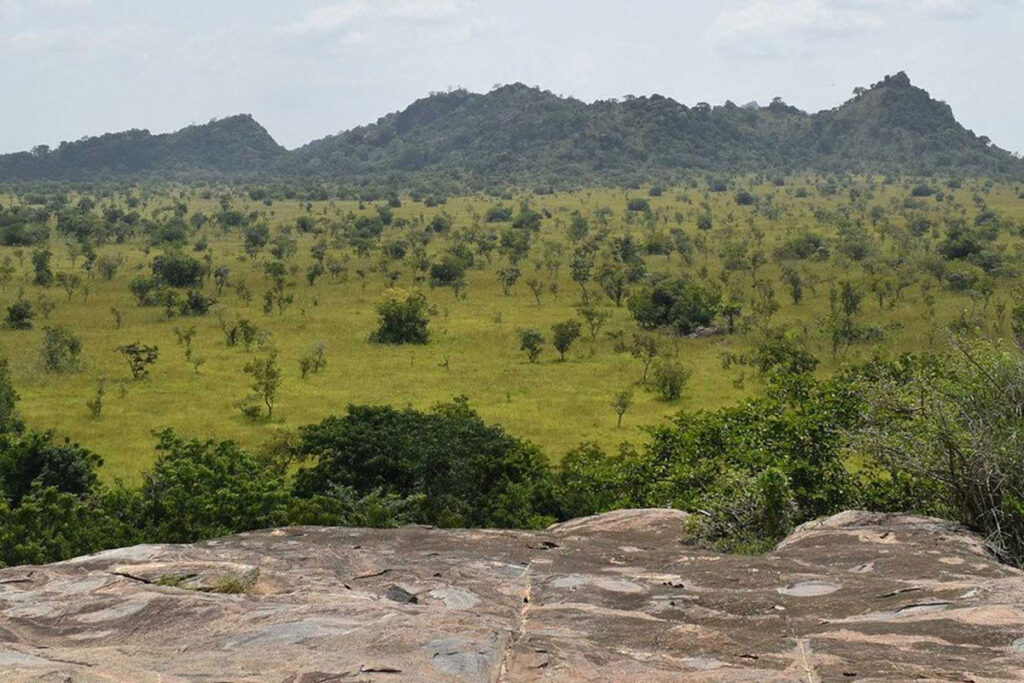
Shai Hills Resource Reserve, Ghana – Ancient Rock Citadels, Savannah Wildlife, Sacred Caves and the Cultural Homeland of the Shai People
Overview
Shai Hills Resource Reserve is one of Ghana’s most exceptional protected landscapes—a magnificent union of rugged geological formations, expansive savanna grasslands, sacred caves and thriving wildlife populations situated less than an hour from Accra. Spanning approximately 51 km² and formally designated as a protected area in 1974, the reserve stands as a living testament to Ghana’s rich ecological and cultural heritage. Its towering inselbergs, ancient cave systems and diverse wildlife make it a prime destination for day trips, educational excursions, eco-tourism and archaeological exploration. This compact reserve delivers an immersive wilderness experience that is both easily accessible and deeply rewarding.
Shai Hills is unique in offering an extraordinary blend of nature and history within a relatively small geographic footprint. The reserve’s massive granite outcrops, savanna plains, archaeological relics and active wildlife corridors provide a high-density concentration of attractions rarely found so close to a major African capital. Visitors experience a wilderness setting marked by sweeping views, dramatic cliffs, wildlife encounters and pathways that lead into centuries-old caves once occupied by the Shai (Dangme) people. Few destinations in Ghana combine biodiversity, geology, cultural storytelling and convenience as seamlessly as Shai Hills Resource Reserve.
Location
Located along the Accra–Akosombo highway in the Dangme West District of the Greater Accra Region, Shai Hills Resource Reserve sits roughly 50 km from Accra. This ideal positioning makes the reserve the closest official wildlife destination to the capital, enabling tourists, students, researchers and nature enthusiasts to enjoy an authentic safari-style experience without the need for long-distance travel. Its proximity to communities such as Shai Osudoku, Dodowa and Asutsuare enhances its cultural richness and supports ongoing conservation partnerships that link local livelihoods with environmental stewardship.
Geography
Shai Hills is defined by a series of dramatic inselbergs—towering granite and quartzite rock outcrops belonging to the ancient Dahomeyan geological complex. These formations, which date back over 200 million years, were shaped by deep-seated tectonic forces, weathering cycles and erosion that sculpted the rocks into cliffs, pinnacles, gorges and multi-chamber cave systems. Notable hills such as Obonu Tem, Sayu and Adwuku form striking natural monuments visible across the savanna plains.
At their base lies a classic Guinea savanna landscape dominated by tall grasses, acacia clusters, baobabs and hardy shrubs. Seasonal streams and shallow gullies cut across the plains during the rainy months, leaving behind temporary pools and moisture pockets that nourish vegetation and wildlife. This combination of rugged highlands and gently undulating savanna creates a visually dynamic environment and supports a wide variety of species adapted to contrasting habitats.
Climate
Shai Hills experiences a tropical savanna climate with two rainy seasons—April to June and September to November—and a prolonged dry season stretching from December to March. During the dry season, the harmattan winds blow from the Sahara, producing cooler mornings, exceptionally dry air and hazy landscapes that add a mystical quality to the reserve’s rocky silhouettes. Temperatures fluctuate between 24°C and 34°C, making the reserve suitable for year-round visitation.
The rainfall cycle has a profound effect on Shai Hills’ ecology. After the first rains, grasses sprout rapidly, trees bud with new foliage and wildflowers emerge across the plains. Wildlife disperses widely during this period, taking advantage of abundant forage and water. During the dry season, however, animals concentrate near shaded areas and remaining watering points, providing excellent wildlife viewing and making the caves and rocky outcrops especially attractive for hiking and exploration.
Hydrology
Although Shai Hills does not contain permanent rivers, its hydrological patterns are shaped by seasonal rains that feed intermittent streams, temporary pools and rain-fed depressions. These ephemeral water bodies provide essential hydration for antelope, primates, reptiles and birdlife during the wet season. In addition, the rocky outcrops collect rainwater in natural basins and crevices, creating micro-wetlands that act as ecological refugia for amphibians, insects and shade-loving plants during drier months.
The interplay between rain-fed water systems and the geological structure of the reserve creates microclimates around the hills, supporting plant species that thrive in slightly cooler, more humid conditions. These localized moisture sources help sustain wildlife during periods of scarcity and maintain ecological resilience throughout the year.
Ecosystems
Shai Hills Resource Reserve protects a unique blend of savanna, woodland, rocky outcrop and semi-arid cave ecosystems within a compact landscape. Each ecosystem plays a vital role in supporting the reserve’s biodiversity and enhancing its ecological value near the rapidly expanding Greater Accra environment.
- Guinea Savanna Grasslands: Dominated by tall grasses such as Hyparrhenia and Andropogon, providing prime grazing areas for kob, bushbuck and other antelope species.
- Dry Woodland and Thicket: Acacia, baobab, myrrh, tamarind and shea trees creating habitats for primates, small mammals and woodland birds.
- Rocky Outcrop Ecosystems: Inselbergs hosting rock hyrax, cliff-nesting birds, reptiles and drought-resistant flora adapted to shallow soils.
- Cave Ecosystems: Cool, moisture-rich chambers that house bats, owls, insects and archaeological artifacts linked to the Shai people.
- Seasonal Wetlands: Temporary pools supporting amphibians, aquatic insects and migratory birds.
Vegetation
The reserve’s vegetation is typical of the Guinea savanna biome, characterized by a mixture of fire-adapted grasses, drought-tolerant shrubs and scattered trees. Dominant species include acacia, baobab, African myrrh (Commiphora), shea (Vitellaria paradoxa), tamarind and Combretum species. The vegetation structure varies markedly from open plains to woodlands and rocky slopes, where specialized plants cling to crevices and shallow soils.
During the rainy season, the vegetation undergoes a dramatic transformation. Grasslands turn vibrant green, flowering plants emerge, berry-producing shrubs fruit heavily and the entire landscape becomes a dynamic foraging ground for herbivores and pollinators. This seasonal renewal drives wildlife movements and creates ideal photographic and birdwatching conditions.
Wildlife
Shai Hills Resource Reserve supports a surprisingly rich assortment of wildlife given its limited size. The combination of grasslands, forests, caves and rocky hills provides ecological niches for a wide range of species, making the reserve a biodiversity hotspot within the Greater Accra region.
Mammals
The reserve’s mammals include primates, antelopes, small carnivores and cave-dwelling species. Notable mammals include:
- Olive baboons
- Vervet monkeys
- Spot-nosed monkeys
- Rock hyrax
- Bushbuck
- Kob antelope
- Oribi
- Common duiker
- Porcupines
- Palm civets
- Genets
- Fruit and insectivorous bats
Birds
With over 150 bird species, Shai Hills is an outstanding birdwatching destination. The reserve’s cliffs, woodland pockets and open grasslands host a diverse avifauna that includes raptors, parrots, hornbills and ground-dwelling birds.
- Yellow-billed kite
- African grey hornbill
- African pied hornbill
- Senegal parrot
- Stone partridge
- Black-crowned tchagra
- White-crowned shrike
- Speckled pigeon
- Lizard buzzard
Reptiles and Amphibians
- African rock python
- Monitor lizards
- Agama lizards
- Tortoises
- Tree frogs
- Rain frogs
Insects
Butterflies, beetles, dragonflies and ants thrive in the savanna ecosystem. Termite mounds are especially prominent, providing crucial soil enrichment and functioning as microhabitats for numerous organisms, including reptiles, passerine birds and small mammals.
Key Attractions
- Obonu Tem Cave: A vast network of chambers containing cultural relics and offering panoramic views from the summit.
- Sayu and Adwuku Caves: Historic dwellings and ceremonial caves of the Shai people.
- Baboon Rock: A major wildlife hotspot and scenic lookout point.
- Rock Climbing Trails: Adventure routes suitable for hikers of various skill levels.
- Archaeological Sites: Cave shrines, defensive walls and artifacts that reveal centuries of Shai occupation.
- Wildlife Viewing Loops: Grassland circuits that offer reliable sightings of antelope and primate species.
Cultural and Indigenous Communities
Shai Hills Resource Reserve is inseparable from the history of the Shai (Dangme) people, whose ancestral presence is deeply woven into the landscape. Before their forced displacement by British colonial authorities in 1892, the Shai lived in the caves and hilltops that now form the core of the reserve. These caves served as residences, fortifications and sanctuaries, and their interior walls still hold evidence of rituals, food preparation, ancient artworks and daily life.
Archaeological finds—such as pottery shards, grinding stones, shrines, carved recesses, defensive walls and ceremonial objects—provide insight into their sophisticated socio-cultural systems. Today, nearby Dangme communities maintain strong spiritual and cultural ties to the reserve, conducting tours, storytelling, festivals and conservation initiatives that preserve the memory and traditions of their ancestors.
Conservation Importance
Shai Hills plays a crucial conservation role as a biodiversity refuge in the rapidly urbanizing Greater Accra region. As Accra expands, the reserve acts as a natural buffer, protecting savanna habitats and wildlife corridors from encroachment. Managed by Ghana’s Forestry Commission, the reserve supports ecological monitoring, anti-poaching patrols, fire management, environmental education and community engagement programs.
Its accessibility also makes Shai Hills a vital educational center, hosting school excursions, field studies and interpretive programs that nurture public appreciation for Ghana’s natural heritage. These activities help promote long-term conservation awareness among younger generations and contribute to sustainable tourism development.
Threats
Despite its protected status, Shai Hills faces several ecological and socio-economic pressures. Key threats include:
- Urban encroachment and habitat loss from the expanding Greater Accra region
- Stone quarrying activities near reserve boundaries
- Poaching and illegal grazing
- Bushfires during the dry season
- Roadkill risks along the adjacent Accra–Akosombo highway
- Infrastructure development that fragments wildlife corridors
Research and Monitoring
Shai Hills is a research hub for universities, archaeologists, conservation biologists and ecologists. Ongoing studies investigate:
- Primate behavior, troop structure and interactions with humans
- Cave microclimate dynamics and bat populations
- Fire ecology and grassland regeneration
- Savanna bird diversity and seasonal migration
- Archaeological excavation of Shai settlements and sacred sites
- Human–wildlife coexistence in surrounding communities
Tourism Activities
Visitors can engage in a wide array of outdoor and cultural activities suited for all ages and interests. Popular experiences include:
- Wildlife viewing and photo safaris
- Hiking and rock climbing on scenic inselbergs
- Caving adventures led by trained guides
- Birdwatching across diverse habitats
- Cultural heritage tours exploring Shai history
- Nature walks and educational excursions for schools
Visitor Facilities and Safety
The reserve features a visitor center, interpretive displays, picnic grounds and restroom facilities. Professional guides accompany visitors on hikes and cave explorations to ensure safety. Visitors should keep food secure due to the presence of baboons, wear sturdy footwear for rocky terrain and carry adequate water, especially during hot months.
Access
Shai Hills Resource Reserve is highly accessible via the Accra–Akosombo highway. Private vehicles, taxis, organized tours and public buses travel directly to the reserve’s entrance. Internal roads are well-maintained, with some trails suitable only for walking or guided hikes. Its convenient location makes it ideal for half-day, full-day or weekend nature escapes from Accra.
Permits
Visitors pay entrance fees at the main gate, managed by the Forestry Commission of Ghana. Additional permits apply for guided cave tours, professional photography, filming, research and group educational programs.
Accommodation
While the reserve itself has limited lodging facilities, several comfortable guesthouses, eco-lodges and hotels are available in nearby communities such as Dodowa and Shai Osudoku. Many visitors choose to stay in Accra and explore the reserve as a day excursion. Plans for developing eco-friendly accommodation within the reserve’s buffer zone aim to enhance the visitor experience while ensuring strong environmental safeguards.
Best Time to Visit
The dry season (December–March) is ideal for wildlife viewing, hiking and rock climbing due to clear skies and shorter grasses. The rainy seasons offer cooler temperatures, lush greenery and abundant birdlife, though some rocky surfaces may become slippery. Each season offers a unique wildlife and photographic experience.
Why Shai Hills Resource Reserve Is Unique
Shai Hills Resource Reserve stands out as a rare fusion of ecological diversity, geological majesty and cultural heritage—all within close proximity to Accra. Its towering inselbergs, sacred caves, iconic wildlife and rich Shai history create an immersive environment that captivates adventurers, eco-tourists, cultural enthusiasts and students alike. As one of Ghana’s most accessible nature sanctuaries, Shai Hills offers an unparalleled opportunity to explore the country’s savanna ecosystems, understand its precolonial heritage and experience a powerful connection to both land and culture.