
Souss-Massa National Park
Souss-Massa National Park – Northern Bald Ibis Sanctuary, Atlantic Wetlands, Argan Forests, Coastal Dunes and Morocco’s Most Ecologically Diverse Coastal Landscape
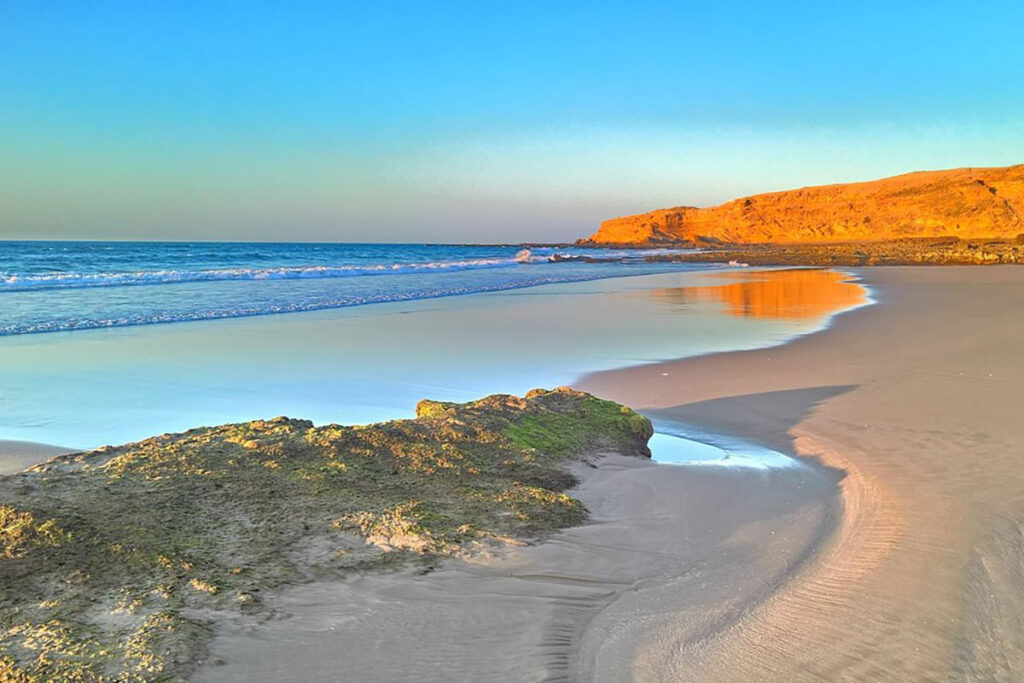
Souss-Massa National Park is one of Morocco’s most distinctive and ecologically important protected areas—a remarkable sanctuary where Atlantic oceanic power meets the warmth of the Sahara, creating a landscape defined by estuaries, sand dunes, dramatic cliffs, fertile river valleys, argan forests and semi-desert shrublands. Established in 1991 and covering approximately 338 km², the park was created to protect one of North Africa’s last major coastal wildernesses. Today, it stands at the forefront of Morocco’s conservation efforts, safeguarding habitats that are globally recognized for their biological richness. The park’s significance is amplified by its critical role as the world’s primary stronghold for the critically endangered Northern Bald Ibis, a species whose survival is now inseparable from the well-being of Souss-Massa’s ecosystems.
Located just south of Agadir along Morocco’s southwestern coastline, Souss-Massa National Park occupies a vital ecological crossroads. The Atlantic’s nutrient-rich waters nourish marine life and seabirds, while the Oued Souss and Oued Massa rivers feed productive estuaries that serve as wintering grounds for migratory birds traveling along the East Atlantic Flyway. Inland, the terrain transitions into argan-dominated dry forests, rocky plateaus and euphorbia shrublands, supporting desert-adapted mammals and specialized plant species. Few protected areas in Morocco encompass such tightly packed ecological diversity. For ecologists, ornithologists, conservationists and nature enthusiasts, Souss-Massa offers one of North Africa’s most accessible yet scientifically significant wilderness areas.
Location, Size and Geographic Setting
Souss-Massa National Park lies between the towns of Agadir, Inezgane, Massa and Sidi R’bat along Morocco’s southwestern coastline. Stretching 65 kilometers along the Atlantic shore, the park covers 338 km² of protected terrestrial and coastal habitats. This narrow but ecologically potent landscape incorporates river valleys, coastal plains, cliffs, dune systems and semi-arid inland plateaus that merge into the Anti-Atlas foothills. Its coastal position places it at the heart of the East Atlantic Flyway, a globally significant migratory corridor used by millions of birds that move seasonally between Europe, Siberia, Greenland and sub-Saharan Africa.
- Area: 338 square kilometers of protected land and coastal habitats.
- Established: 1991 to preserve coastal wetlands and Bald Ibis breeding grounds.
- Main rivers: Oued Souss and Oued Massa.
- Elevation range: Sea level to approximately 300 meters.
- Nearest major city: Agadir (40 km north).
The park’s latitudinal position, wedged between marine and semi-desert climates, creates a dynamic gradient of ecosystems. This positioning makes Souss-Massa one of Morocco’s most important ecological buffers, preserving landscapes threatened by coastal development and agricultural expansion.
Geology, Landscape Formation and Terrain
The geological foundations of Souss-Massa National Park reveal millions of years of coastal formation shaped by Atlantic waves, sedimentary processes and desert winds. The coastline is lined with rugged sandstone and limestone cliffs, punctuated by sandy beaches and ancient marine terraces uplifted by tectonic forces. These cliffs provide nesting sites for seabirds and create sheltered coves where marine life flourishes. Inland, the terrain consists of rolling dunes sculpted by strong coastal winds, gravel plains dotted with xerophytic plants, and rocky outcrops formed from ancient sedimentary layers.
The estuarine zones of Oued Souss and Oued Massa contain sandy alluvial deposits, clay flats, mudflats and saltwater-influenced soils. These nutrient-rich sediments support dense vegetation that in turn sustains fish nurseries, crustaceans, mollusks and aquatic insects. The inland argan forests grow on relatively shallow, rocky soils, where drought-adapted trees stabilize slopes, prevent erosion and create microhabitats for mammals and reptiles. This geological diversity ensures that Souss-Massa hosts an unusually wide array of ecological niches within a compact geographic space.
- Sandstone cliffs: Natural refuges for Bald Ibis, gulls and raptors.
- Old marine terraces: Evidence of historic sea-level shifts and coastal uplift.
- Dune systems: Continuously reshaped by Atlantic trade winds.
- Alluvial plains: Fertile zones supporting wetland ecosystems.
Climate and Seasonal Dynamics
Souss-Massa National Park experiences a coastal semi-arid Mediterranean climate moderated by the Atlantic Ocean. The Humboldt Current cools the coastline, creating mild temperatures year-round. Winters are cool and relatively wet, while summers are warm but rarely excessively hot. Rainfall is concentrated in short yet episodic winter storms, while the rest of the year is influenced by fog, humidity and strong maritime winds.
- Annual rainfall: 200–300 mm, mostly between November and February.
- Temperature range: 15°C to 28°C, with cooler nights inland.
- Winds: Atlantic trade winds shape dune systems and influence humidity.
- Seasonality: Winter favors migratory birds; spring is peak breeding season.
The climatic rhythm shapes the entire ecosystem. Winter rainfall rejuvenates estuarine vegetation and fills freshwater pools, attracting flamingos, spoonbills and other winter migrants. Spring marks the breeding season for seabirds—including the critically endangered Bald Ibis. Summer’s dry warmth supports marine productivity offshore, while autumn begins the cycle anew with the first rains.
Hydrology – Rivers, Estuaries, Wetlands and Coastal Water Dynamics
Hydrology is the ecological foundation of Souss-Massa National Park. The Oued Souss and Oued Massa rivers, flowing from the inland Anti-Atlas mountains toward the Atlantic, create two of Morocco’s most productive estuarine systems. Their nutrient-rich waters blend with tidal currents, forming brackish environments that are exceptionally important for birds, fish nurseries and aquatic vegetation. These estuaries also regulate local microclimates, reducing drought stress on surrounding ecosystems.
- Oued Souss Estuary: A major wintering ground for thousands of migratory birds including flamingos, waders, gulls and terns.
- Oued Massa Estuary: The world’s most important breeding zone for the Northern Bald Ibis.
- Salt marshes and mudflats: Feeding grounds for invertebrates and fish fry.
- Aquifer recharge zones: Essential for sustaining vegetation during the dry season.
In addition to river-fed wetlands, the coastal upwelling system offshore brings cold, nutrient-rich waters to the surface, boosting marine productivity. These marine conditions support seabirds, dolphins, fish, crustaceans and intertidal life. The interaction between marine, estuarine and semi-desert environments creates a hydrological network unmatched elsewhere in Morocco.
Ecosystems and Habitat Diversity
Souss-Massa National Park contains a complex array of ecosystems packed into a relatively small area. This diversity results from the interaction of marine, riverine, wetland, woodland, dune and semi-desert environments. Together, these form a highly productive ecological mosaic supporting species otherwise rare or absent along Morocco’s Atlantic coastline.
- Wetlands and estuaries: High-productivity ecosystems sustaining migratory birds and aquatic life.
- Dune ecosystems: Home to specialized shrubs, reptiles and insects.
- Argan forests: One of Morocco’s most iconic dry woodland habitats.
- Coastal cliffs and beaches: Nesting sites for seabirds and resting zones for marine species.
- Semi-desert plains: Supporting gazelles, foxes and small mammals.
These habitats interconnect dynamically. For example, Bald Ibis nest on cliffs but feed in steppe plains and irrigated fields; migratory birds roost in wetlands but forage along beaches. This interplay of environments gives Souss-Massa exceptional ecological resilience.
Flora – Argan Groves, Euphorbia Scrublands and Coastal Vegetation
The flora of Souss-Massa reflects a region adapted to aridity, salinity, wind exposure and temperature fluctuation. Inland areas contain forests dominated by argan trees (Argania spinosa), a keystone species endemic to southwestern Morocco. These deep-rooted trees stabilize soils, offer shade, support livestock grazing and create microhabitats for reptiles, birds and insects. Euphorbia species thrive in rocky and semi-desert areas, storing moisture in their thick stems and providing habitat for lizards, rodents and beetles.
Along the estuaries and coastal marshes, halophytes and reeds flourish in brackish soils. Tamarisk trees line riverbanks, offering important shelter for bird species. Coastal dunes host salt-tolerant grasses and succulents that bind sand and prevent erosion. Together, these vegetation communities create a layered botanical landscape supporting diverse wildlife.
- Argan trees: A key component of Morocco’s dryland ecology.
- Euphorbia officinarum: Dominant shrub in semi-desert areas.
- Halophytes: Salt-tolerant plants in tidal flats and dune systems.
- Tamarisk and reed beds: Critical for wetland biodiversity.
Wildlife of Souss-Massa National Park
Souss-Massa supports a rich variety of fauna due to its ecological diversity, mild climate and protected status. The park is globally recognized for its birdlife, but its mammals, reptiles, amphibians and marine species are equally important parts of this coastal ecosystem.
Mammals
While not as mammal-rich as Morocco’s mountainous regions, Souss-Massa plays a critical role in conserving several rare and threatened species adapted to semi-arid environments. Cuvier’s gazelle and Dorcas gazelle roam the steppe plains and shrublands, foraging on sparse grasses and desert shrubs. Red foxes, African wildcats and desert foxes hunt small mammals and reptiles across dune environments. Crested porcupines occupy rocky areas, while small rodents and hares are common throughout the park.
- Cuvier’s gazelle: Endangered, dependent on shrubland and steppe habitats.
- Dorcas gazelle: Adapted to arid environments.
- African wildcat: A reclusive predator found in dense shrublands.
- Red and sand fox: Important mesopredators in dune ecosystems.
- Crested porcupine: Common in rocky areas and woodlands.
Northern Bald Ibis – Global Icon of Souss-Massa
The critically endangered Northern Bald Ibis (Geronticus eremita) is the park’s flagship species. Souss-Massa hosts the world’s most important surviving wild breeding population. The ibis nest on ancient coastal cliffs and feed in nearby steppe plains, irrigated fields and wetlands. Decades of conservation efforts, including protected nesting sites, anti-disturbance regulations and meticulous breeding monitoring, have resulted in a steady increase in population numbers.
The presence of the Bald Ibis elevates Souss-Massa to global conservation prominence, attracting ornithologists, researchers and eco-tourists from around the world.
Birdlife
More than 250 bird species have been recorded in Souss-Massa National Park, making it one of Africa’s premier birdwatching destinations. Its wetlands and estuaries are internationally important wintering grounds for migratory birds traveling along the East Atlantic Flyway. Species such as flamingos, spoonbills, ospreys, cormorants, gulls and waders congregate in large numbers during migration seasons.
- Greater flamingo
- Marbled teal
- Osprey
- Kentish plover
- Eurasian spoonbill
- Black-winged stilt
- Audouin’s gull
Reptiles, Amphibians and Marine Life
The park hosts Mediterranean chameleons, skinks, geckos, tortoises and Moroccan toads. Its marine zone contains dolphins, mullet, seabream, crustaceans and intertidal invertebrates shaped by the region’s nutrient-rich upwelling system.
Cultural Heritage – Amazigh Communities and Traditional Knowledge
The Souss-Massa region has been inhabited by Amazigh (Berber) communities for centuries. These communities rely on argan cultivation, pastoral grazing, small-scale farming, fishing and artisanal crafts. Their cultural practices reflect a deep understanding of seasonal rhythms, wind patterns, drought cycles and ecological resilience. Women-led argan cooperatives play a particularly important role in sustainable land use and community-based conservation.
- Argan cooperatives: Traditional harvesting and oil production.
- Traditional fishing: Practiced along the Massa estuary.
- Seguia irrigation systems: Ancient water channels sustaining agriculture.
Conservation Importance
Souss-Massa National Park is recognized internationally as a vital conservation area due to the diversity of its habitats and its role in protecting endangered species. It is the world’s primary stronghold for the Northern Bald Ibis and a critical wintering site for migratory birds. The park preserves dune systems, stabilizes soils, protects marine and estuarine ecosystems and supports Morocco’s argan heritage. These ecological services make Souss-Massa indispensable for regional sustainability.
- Globally important site for Northern Bald Ibis.
- Critical wetland and estuary ecosystems.
- Key bird migration stopover along the East Atlantic Flyway.
- Preservation of argan woodlands and desert shrublands.
Threats and Environmental Challenges
- Urban expansion: Pressures from Agadir’s development.
- Agricultural intensification: Reducing foraging areas for wildlife.
- Disturbance to nesting areas: From tourism and fishing.
- Climate change: Increased drought stress and reduced river flow.
- Unsustainable fishing: Affecting marine productivity.
These threats require continuous monitoring, strong management strategies and community partnerships to ensure long-term ecological stability.
Conservation History and Ongoing Programs
Since its establishment in 1991, Souss-Massa has become a center of conservation innovation in Morocco. Major initiatives include restoring Bald Ibis populations, monitoring migratory birds, managing wetlands, restoring argan forests and promoting sustainable fishing practices. The park collaborates with scientists, NGOs and local communities to balance conservation with sustainable development.
- 1991: National Park creation.
- 1996–present: Bald Ibis breeding program established.
- 2000s: Argan forest restoration projects.
- Ongoing: Monitoring of wetlands and migratory birds.
Tourism Activities in Souss-Massa National Park
- Birdwatching: One of Africa’s finest coastal birding experiences.
- Ibis viewing: Controlled access to key nesting cliffs.
- Nature walks: Through wetlands, dunes, argan forests and coastal cliffs.
- Cultural visits: Amazigh villages and argan cooperatives.
- Beach exploration: Stunning natural coastlines.
Tourism Infrastructure
- Bird hides and observation towers: Located at both major estuaries.
- Interpretation centers: Exhibits on ecology and conservation.
- Marked trails: Covering dune, wetland and cliff environments.
- Signposted viewpoints: Offering panoramic views of the coast.
Access – How to Reach Souss-Massa National Park
- By Road: Easily accessible from Agadir within 45–60 minutes.
- By Air: Fly to Agadir Al-Massira Airport.
- By Guided Tour: Recommended for accessing restricted areas.
The park’s proximity to Agadir makes it ideal for day trips, full-day birdwatching excursions or multi-day eco-tours.
Permits and Park Regulations
- Restricted zones: Some areas require official guides, especially ibis colonies.
- Visitors must stay on designated trails and avoid disturbing wildlife.
- Photography is allowed, but flash should be avoided near birds.
- No collecting plants, animals or natural materials.
Accommodation Options
- Eco-lodges: Located near Massa village and Sidi R’bat.
- Community guesthouses: Offering cultural immersion.
- Hotels in Agadir: Wide range of options from budget to luxury.
Eco-lodges offer immersive nature experiences, while Agadir provides comfort for families and groups.
Recommended 2–3 Day Itinerary
A well-structured itinerary helps visitors explore the park’s full diversity:
- Day 1: Morning birdwatching at Oued Souss. Afternoon cliff walk and ibis observation.
- Day 2: Explore Oued Massa wetlands, dune trails and cultural villages. Sunset photography along Sidi R’bat beach.
- Day 3: Visit argan cooperatives, hike inland shrublands and explore marine viewpoints.
Best Time to Visit Souss-Massa National Park
- October–March: Best for migratory birds and mild temperatures.
- April–June: Breeding season for Bald Ibis and coastal birds.
- July–September: Quiet season ideal for photography and dune exploration.
Why Souss-Massa National Park Is Unique
Souss-Massa National Park is one of Morocco’s rare coastal treasures—a protected area where Atlantic marine life, fertile estuaries, argan forests, desert plains and ancient Amazigh culture converge. It is the world’s most important refuge for the Northern Bald Ibis and a lifeline for migratory birds using the East Atlantic Flyway. The park’s landscapes shift from dramatic sandstone cliffs to serene wetlands and wind-carved dunes, creating one of the most diverse ecological mosaics in North Africa. For visitors, Souss-Massa offers an unparalleled combination of wildlife, culture, natural beauty and conservation significance, making it one of Morocco’s most inspiring national parks.