
South Luangwa National Park
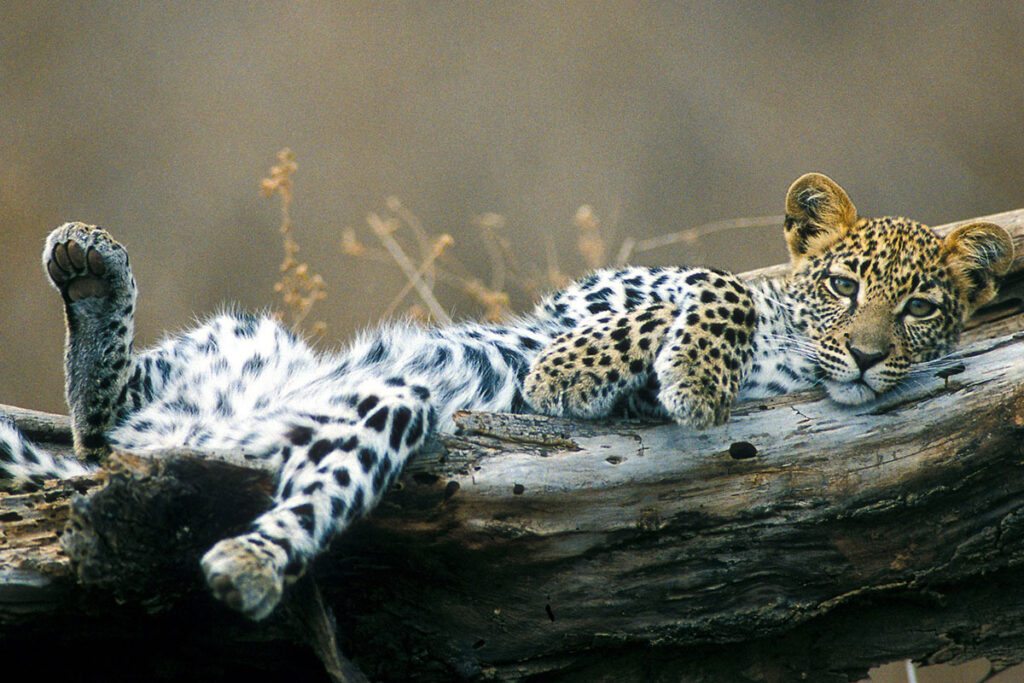
South Luangwa National Park, Zambia – Africa’s Legendary Walking Safari Wilderness, Leopard Stronghold and One of the World’s Greatest Wildlife Sanctuaries
Overview
South Luangwa National Park is one of Africa’s most iconic safari destinations and a flagship wilderness area for Zambia. Set within the breathtaking Luangwa Rift Valley, this vast 9,050 km² park is famed for its dramatic landscapes, high densities of predators, large herds of elephants and buffalo, endemic subspecies, and for being the birthplace of the modern walking safari. Its wild character, low visitor numbers and exceptional guiding have earned it a reputation as one of the continent’s most authentic and rewarding wildlife experiences.
The park’s defining feature is the Luangwa River, one of the last major free-flowing rivers in Africa. Its meandering channels, sweeping oxbows and seasonal lagoons create an incredibly productive ecosystem that supports abundant wildlife throughout the year. During the dry season, as water sources shrink, the river and its lagoons become magnets for game, resulting in intense concentrations of animals and outstanding game viewing. For travellers seeking an unhurried, immersive and genuinely wild safari, South Luangwa offers a rare and unforgettable sense of place.
Key Facts
- Location: Eastern Zambia, along the Luangwa River Valley
- Coordinates: Approx. 12.9°S, 31.6°E
- Size: ~9,050 km²
- Established: 1938 as a game reserve; 1972 as a national park
- Main Ecosystems: Miombo woodland, mopane woodland, riverine forest, oxbow lagoons, floodplains, grasslands
- Elevation Range: Approx. 500–900 m above sea level
- River System: Luangwa River and network of seasonal tributaries and lagoons
- Mammals: 60+ species
- Birds: 400+ species
- Reptiles and Amphibians: Dozens of species including Nile crocodiles and diverse frogs
- Flagship Species: Leopards, lions, African wild dogs, elephants, Thornicroft’s giraffes, Crawshay’s zebras, Cookson’s wildebeest
- Best Time to Visit: June–October (dry season, peak game viewing)
Location and Geography
South Luangwa National Park lies in eastern Zambia near the border with Malawi. It occupies a key section of the Luangwa Valley, which forms part of the larger East African Rift system. The park stretches along the eastern bank of the Luangwa River, with the Muchinga Escarpment rising dramatically to the west and forming a natural barrier and scenic skyline.
The valley floor consists of alluvial soils deposited over millennia by the Luangwa River and its tributaries. These soils support fertile floodplains, grasslands and patches of woodland that shift and evolve as the river alters course. Numerous oxbow lagoons and side channels mark former river routes, providing permanent or seasonal water that sustains wildlife long into the dry months. This constantly changing geomorphology underpins the park’s dynamic and productive ecosystems.
Geological History
The Luangwa Valley was formed through tectonic activity associated with the East African Rift system. Over millions of years, the land subsided, creating a trough that gradually filled with sediments eroded from surrounding highlands. The Luangwa River carved channels through these deposits, continually shifting its course and leaving behind oxbows, floodplains and terraces.
Because the Luangwa remains largely undammed, the valley is still shaped by natural hydrological processes. Seasonal flooding, sediment deposition and channel migration renew soils and habitats, maintaining a rich patchwork of vegetation types and water bodies that sustain the park’s diverse wildlife.
Climate
South Luangwa has a tropical climate with three distinct seasons that strongly influence wildlife patterns and visitor experiences:
- Cool Dry Season (May–August) – Mild temperatures, clear skies, crisp mornings and excellent game viewing as vegetation thins out.
- Hot Dry Season (September–October) – Very high daytime temperatures; water becomes limited and animals crowd around the river and lagoons, creating dramatic viewing.
- Rainy Season (November–April) – Heavy rains transform the valley into a lush, green landscape; many camps close, but birding and scenery are superb.
Annual rainfall generally ranges between 800 and 1,000 mm, falling mainly between December and March. After the rains, the bush becomes dense and vibrant; as the dry season progresses, grasses wither, pans dry up and the Luangwa River and remaining lagoons become wildlife lifelines.
Hydrology
The Luangwa River is the ecological heart of the park. One of Africa’s last unregulated major rivers, it follows a highly sinuous course with numerous meanders and oxbows. In the wet season, the river bursts its banks, flooding adjacent plains and replenishing oxbow lagoons. As water levels drop during the dry season, the main channel retracts, leaving pools and lagoons that persist for months.
These lagoons are vital refuges for hippos, crocodiles, fish and waterbirds and provide critical drinking water for elephants, buffalo, antelopes and predators. Smaller tributaries and drainage lines feed into the river and help distribute water and nutrients across the floodplain. The integrity of this natural hydrological system is a key reason South Luangwa remains one of Africa’s most productive wildlife areas.
Ecosystems and Habitats
South Luangwa contains a rich variety of habitats shaped by topography, soil and water availability. Major ecosystems include:
- Riverine Forests – Dense stands of ebony, sausage trees, winterthorn and mahogany lining the Luangwa River and lagoons, providing shade, food and shelter for many species.
- Floodplains – Seasonally inundated grasslands and open areas along the river, favoured by elephants, buffalo, puku and other grazers.
- Oxbow Lagoons – Permanent or semi-permanent water bodies rich in hippos, crocodiles, fish and waterbirds.
- Mopane Woodland – Dominant away from the river on heavier soils, supporting elephants, zebras and a range of browsers.
- Miombo Woodland – Open savanna woodlands on higher ground with Brachystegia and Julbernardia trees, home to unique birdlife and antelopes.
- Grasslands and Open Plains – Seasonal grazing grounds where wildebeest, zebra and other herbivores congregate.
The interplay of these habitats across a relatively compact area creates superb game-viewing opportunities and supports high biodiversity, particularly of large mammals and birds.
Vegetation
The vegetation of South Luangwa reflects the transition between woodland, savanna and riverine ecosystems. Important plant communities include:
- Mopane woodland – With Colophospermum mopane trees forming extensive stands; crucial browse for elephants and other herbivores.
- Miombo woodland – Dominated by leguminous trees, supporting specialised birds and antelopes.
- Winterthorn (Faidherbia albida) – Along riverbanks, dropping nutritious pods during the dry season when food is scarce.
- Ebony and sausage trees – Providing shade, fruit and roosting sites for birds and mammals.
- Seasonal grasses and forbs – Flourishing on floodplains and plains after the rains, then drying to provide grazing during the early dry season.
This botanical diversity underpins the park’s ability to support large herbivore populations, which in turn sustain high densities of predators.
Wildlife of South Luangwa National Park
Biodiversity Statistics
- Mammals: 60+ species
- Large predators: Lions, leopards, spotted hyenas, African wild dogs
- Birds: 400+ species, including migrants and residents
- Reptiles: Dozens of species, notably Nile crocodiles and various snakes and lizards
- Amphibians: Multiple frog and toad species, especially active in rainy season
Mammals
South Luangwa is renowned for its dense and varied mammal populations. Some of the most prominent species include:
- Elephants – Large herds frequently seen along the river and floodplains, often moving between mopane woodland and the riverine belt.
- Buffalo – Herds sometimes numbering hundreds, key prey for lions.
- Thornicroft’s giraffes – An endemic subspecies with distinct markings, found only in the Luangwa Valley.
- Crawshay’s zebras – A subspecies of plains zebra with narrow stripes and no shadow stripes.
- Cookson’s wildebeest – Another Luangwa Valley endemic, differing slightly from other blue wildebeest forms.
- Puku and impala – Abundant grazers and browsers forming a crucial part of the food web.
- Kudu, waterbuck and bushbuck – Common in woodland and riverine habitats.
Predators
Predator viewing in South Luangwa is among the best in Africa. The park is especially famous for its leopards, which thrive in the mix of woodland cover and abundant prey. Night drives frequently yield leopard sightings, and it is one of the few places where seeing multiple leopards over a few days is considered normal.
- Lions – Large prides patrol the valley, often hunting buffalo, zebra and puku.
- Leopards – Exceptional densities; regularly observed both by day and on night drives.
- Spotted hyenas – Numerous and highly vocal; often encountered near carcasses and lagoons.
- African wild dogs – Endangered predators that roam widely, providing thrilling and dynamic sightings when encountered.
Birdlife
With over 400 species recorded, South Luangwa is a paradise for birders. The mix of river, lagoons, woodland and open plains attracts a diverse avifauna:
- Carmine bee-eaters – Nesting in large colonies on riverbanks, creating spectacular displays in the late dry season.
- African fish eagles – Their calls are a signature sound of the Luangwa River.
- Storks, herons and egrets – Often congregating at drying pools as fish become trapped.
- Rollers, kingfishers and hornbills – Adding colour and activity to the woodland and river edges.
- Vultures and raptors – Patrolling plains and following predator activity.
The rainy season brings migratory species and intense breeding activity, making it particularly rewarding for specialist birding safaris.
Reptiles, Amphibians and Invertebrates
The Luangwa River hosts dense populations of Nile crocodiles and hippos, especially at oxbow lagoons and deeper pools. Lizards, skinks, geckos and monitor lizards are frequently seen basking on logs and riverbanks. Snake species include pythons and various venomous and non-venomous snakes, usually observed with the help of experienced guides.
Frogs and toads emerge in huge numbers following seasonal rains, creating a vibrant nighttime chorus and attracting storks, herons and other predators. Dragonflies, butterflies and other invertebrates are abundant, adding colour and ecological complexity to the valley.
Unique Features
- Birthplace of the walking safari – South Luangwa is widely credited as the home of the modern guided walking safari, pioneered by legendary guides such as Norman Carr.
- Exceptional predator viewing – Particularly for leopards and lions.
- Endemic subspecies – Thornicroft’s giraffe, Cookson’s wildebeest and Crawshay’s zebra.
- Free-flowing river system – The Luangwa remains undammed and ecologically dynamic.
- Low visitor density and intimate camps – Creating a remote, uncrowded wilderness experience.
Cultural and Local Communities
The greater Luangwa Valley is home to communities such as the Kunda, Ngoni and other local groups. Many people live in Game Management Areas (GMAs) surrounding the park. These communities depend on agriculture, fishing and small-scale livestock but increasingly participate in conservation and tourism initiatives.
- Community-based natural resource management programs.
- Employment in camps and lodges as guides, trackers, camp staff and artisans.
- Education projects focusing on the value of wildlife and sustainable land use.
- Collaborative efforts to reduce poaching and human–wildlife conflict.
Conservation Importance
South Luangwa is a cornerstone of Zambia’s protected area network and a key stronghold for many species of global conservation concern. It:
- Protects one of the most intact and wildlife-rich sections of the Luangwa Valley.
- Supports large, viable populations of elephants, lions, leopards and wild dogs.
- Maintains a naturally functioning free-flowing river system.
- Acts as a core area within a broader transboundary landscape that includes other Zambian parks and protected areas across borders.
Management and Governance
South Luangwa National Park is managed by Zambia’s wildlife authority (currently under the Department of National Parks and Wildlife), working in partnership with conservation NGOs, local communities and the tourism industry. Key partners include organisations such as the Frankfurt Zoological Society and the Zambian Carnivore Programme, which support anti-poaching operations, ecological monitoring and community outreach.
Management priorities include law enforcement, maintaining ecological integrity, preventing illegal hunting and encroachment, and ensuring that tourism remains sustainable and low-impact.
Wider Landscape and Corridors
South Luangwa forms part of a much larger conservation landscape that includes North Luangwa, Luambe and Lukusuzi National Parks, along with surrounding GMAs. Together, these areas:
- Enable seasonal wildlife movements across the Luangwa Valley.
- Provide dispersal areas for elephants, wild dogs and other wide-ranging species.
- Support genetic connectivity between populations.
Maintaining corridors and avoiding fragmentation in GMAs is crucial for long-term conservation success.
Threats and Human–Wildlife Conflict
Key threats facing South Luangwa include:
- Poaching – For ivory, bushmeat and illegal wildlife trade.
- Encroachment – Agricultural expansion and settlement pressures in GMAs.
- Human–wildlife conflict – Crop damage by elephants and hippos; occasional livestock predation by lions and wild dogs.
- Climate variability – Potentially affecting rainfall patterns, river flow and vegetation dynamics.
Mitigation strategies involve community engagement, early-warning systems, improved fencing or deterrents for crop protection, and benefits-sharing from tourism revenue to incentivise conservation.
Research and Monitoring
South Luangwa hosts multiple long-term research projects and monitoring programs, including:
- Carnivore research focusing on lions, leopards, wild dogs and hyenas.
- Elephant movement and population studies using collars and aerial surveys.
- Bird monitoring and survey work in different seasons.
- Vegetation and fire regime studies to understand habitat changes.
These efforts provide critical data that inform management decisions and measure the effectiveness of conservation interventions.
Tourism in South Luangwa National Park
Safari Activities
The park offers a wide range of safari activities, all designed to showcase wildlife and landscapes while minimising impact on the environment:
- Walking safaris – Expert-led bush walks that focus on tracks, plants, insects and animal behaviour, offering an intimate and educational perspective.
- Day game drives – Classic vehicle safaris exploring rivers, lagoons and plains.
- Night game drives – Unique opportunity to see leopards, civets, genets, hyenas and other nocturnal species.
- Photographic safaris – Specialist trips with photographers or guides who understand light, composition and animal behaviour.
- Birding safaris – Ideal in the green season when migrant birds and breeding plumages peak.
Visitor Practical Information
- Health: Malaria is present; prophylaxis is recommended. Yellow fever proof may be required depending on your travel route.
- Packing: Lightweight neutral clothing, hat, sunscreen, insect repellent, good walking shoes or boots, binoculars and a camera with spare batteries.
- Fitness: Moderate level helpful for walking safaris, especially during hotter months.
- Photography: Dust and low light at dawn/dusk suggest bringing lens cloths and fast lenses where possible.
Access and How to Get There
Most visitors access South Luangwa via Mfuwe, a gateway town on the park’s eastern side:
- By air: Scheduled and charter flights connect Mfuwe Airport to Lusaka and other regional hubs.
- By road: Overland drives from Lusaka or Chipata are possible and can be combined with other destinations.
From Mfuwe, lodges and camps typically arrange transfers to properties located along the Luangwa River or deeper within the park and adjacent GMAs.
Permits, Fees and Regulations
Visitors pay daily park entry fees, with additional charges for activities such as night drives in some cases. Key regulations include:
- Always being accompanied by licensed guides on walks and drives.
- Staying within vehicles unless instructed otherwise by guides.
- No feeding or harassing wildlife.
- Respecting speed limits and keeping noise to a minimum.
Accommodation Options
South Luangwa offers a range of accommodation to suit different budgets and styles:
- Luxury lodges – Often located along the river with spacious suites, pools and fine dining.
- Intimate bush camps – Small, seasonal camps deeper in the park, ideal for walking safaris and remote experiences.
- Mid-range lodges and tented camps – Comfortable and well-positioned around Mfuwe and along the river.
Many camps operate seasonally, opening during the dry season and closing in the rains when access is difficult.
Best Time to Visit
The best time to visit South Luangwa for classic big game viewing is from June to October. As the dry season intensifies, water becomes scarce away from the Luangwa River, concentrating wildlife at the river and lagoons. Vegetation is thinner, making it easier to spot animals.
The green season (November to April) offers spectacular scenery, newborn animals and outstanding birding, but some bush camps close and certain roads become impassable. For photographers and birders, this period can be especially rewarding.
Why South Luangwa National Park Is Unique
South Luangwa National Park stands out as one of Africa’s most complete safari destinations. It combines exceptional predator sightings, large mammals, endemic species, diverse habitats and the pioneering tradition of walking safaris, all set within a dramatic rift valley landscape and along a vital, free-flowing river.
For travellers looking for an immersive, uncrowded, expertly guided safari that remains deeply connected to wilderness and conservation, South Luangwa offers an experience that is both intensely wild and profoundly memorable. It is not just a national park, but a living example of how carefully managed tourism and strong conservation partnerships can help secure one of Africa’s greatest wildlife sanctuaries for generations to come.