
Table Mountain National Park
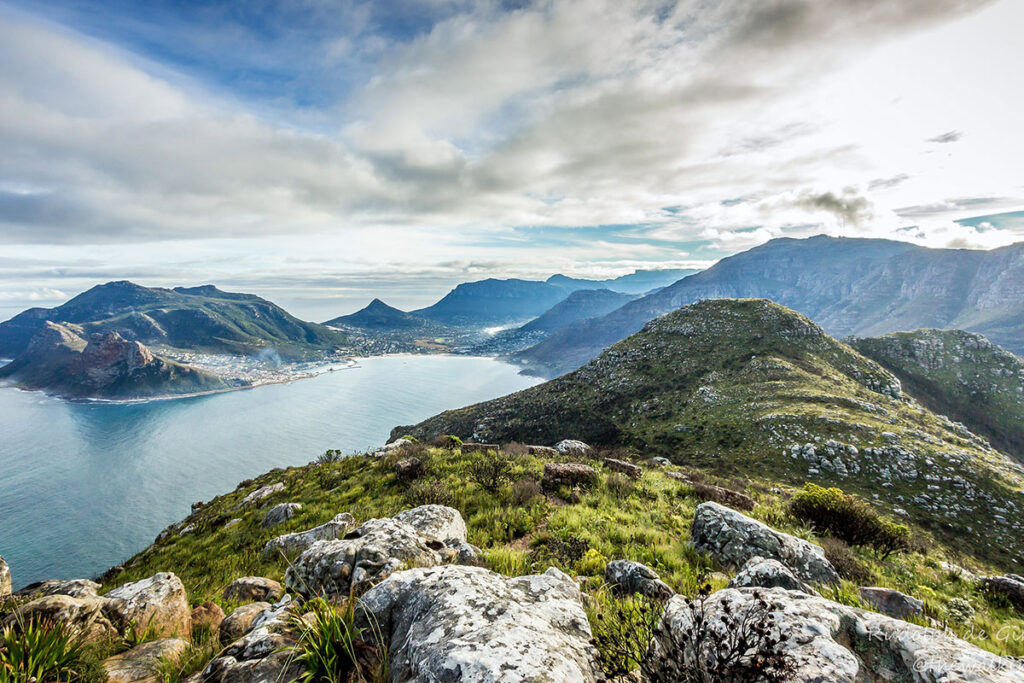
Table Mountain National Park, South Africa – Iconic Peaks, Endemic Fynbos, Marine Biodiversity and the Wild Soul of the Cape Peninsula
Overview
Table Mountain National Park is one of the most biologically and geographically unique protected areas in the world. Established in May 1998 and managed by South African National Parks (SANParks), the park was formed to unify the Cape Peninsula’s fragmented reserves, forests, beaches and mountain zones into one coherent conservation landscape. Today, this iconic park stretches across approximately 221 km², protecting rugged cliffs, deep ravines, mountain plateaus, ancient forests, sweeping beaches and globally significant marine ecosystems.
Dominated by the legendary flat-topped Table Mountain—rising to 1,086 m at Maclear’s Beacon—the park offers a rare combination of dramatic geology, exceptional floral diversity, abundant wildlife and rich cultural heritage. As part of the Cape Floristic Region UNESCO World Heritage Site, Table Mountain National Park is a global center of endemism and a living showcase of evolutionary processes shaped by climate, fire and isolation. With more than 4 million visitors annually, it remains a premier natural attraction, offering breathtaking scenery and accessible wilderness minutes from central Cape Town.
Location and Setting
The park spans the entire Cape Peninsula—from Signal Hill and Lion’s Head near Cape Town’s city center to the dramatic cliffs of Cape Point and the Cape of Good Hope at the far south. Its position between the icy, nutrient-rich Atlantic Ocean and the warmer Agulhas-influenced waters of False Bay creates exceptional ecological gradients, supporting coastal, marine and terrestrial biodiversity of immense global value.
Steep altitudinal changes, strong oceanic winds, varied geological substrates and the peninsula’s narrow shape produce dozens of microclimates that shift within short distances. This dynamic interplay of environmental factors contributes to the Cape Peninsula’s extraordinary biodiversity, making it one of the smallest yet richest biodiversity hotspots on Earth.
Geology
Table Mountain’s imposing cliffs and recognizable flat summit are composed primarily of Table Mountain Group sandstone, an ancient, quartzitic rock laid down over 500 million years ago. This sandstone is among the hardest and most erosion-resistant rock types on the continent, sculpting the steep vertical faces that tower over Cape Town.
Below the sandstone lies the Cape Granite Suite, which formed when molten magma intruded into the crust and cooled deep underground. Over millions of years, erosion exposed these granite domes and boulders, now visible at locations such as Sea Point, Clifton, Llandudno and Simon’s Town. The entire region owes its rugged topography to the Cape Fold Belt orogeny—an ancient mountain-building event that shaped much of southern Africa’s dramatic relief. Along the coast, relentless wave action carved sea caves, arches, wave-cut platforms and jagged cliffs, particularly around Cape Point, where geology and oceanic forces collide spectacularly.
Climate
Table Mountain National Park experiences a Mediterranean climate, with warm dry summers and cool wet winters. However, its weather is notoriously unpredictable due to shifting winds, ocean currents and rapid changes in elevation. Summer is dominated by the powerful southeasterly wind known as the “Cape Doctor”, which clears the atmosphere, lowers pollution levels and shapes the growth patterns of fynbos vegetation.
Winter brings rain-bearing cold fronts from the Atlantic Ocean, often shrouding the mountain in mist and creating temporary waterfalls that cascade down its sandstone cliffs. One of the park’s signature phenomena is the “tablecloth” cloud, a dramatic layer of cloud that spills over the summit when moist air condenses atop the plateau. This fog provides vital moisture to vegetation and contributes significantly to the park’s water cycles, especially during dry periods.
Hydrology and Water Systems
The porous sandstone of Table Mountain acts as an enormous natural water reservoir. It absorbs rain and fog, slowly releasing it through springs, seep zones and perennial streams that nourish ravine forests, wetlands and riparian ecosystems. These freshwater sources are essential for both biodiversity and Cape Town’s historical water supply.
Notable features include the historic Hely-Hutchinson Reservoir on the Back Table, built in the early 1900s, and the scenic Silvermine Reservoir, which is surrounded by rich fynbos vegetation and popular for recreation. Streams such as Platteklip, Disa, Skeleton Gorge and Silvermine streams flow year-round, feeding coastal wetlands and influencing marine nutrient dynamics along the peninsula. Wetlands act as natural filters, improving water quality while providing critical habitat for frogs, dragonflies and waterbirds.
Ecosystems and Habitats
Table Mountain National Park contains a mosaic of ecosystems that reflect the peninsula’s complex climate, soils, topography and maritime influences. These ecosystems support thousands of species, many of them endemic or highly specialized to the region’s unique conditions.
- Fynbos shrublands: Dominated by proteas, ericas and restios, forming one of the world’s richest plant communities.
- Afro-montane forests: Moist, shaded forests in ravines featuring yellowwoods, stinkwoods and wild olives.
- Coastal dune and strandveld systems: Hardy vegetation stabilizing beaches and supporting dune-adapted species.
- Wetlands: Seasonal and permanent wetlands that support amphibians, reedbeds and waterfowl.
- Rocky cliffs and boulder formations: Important for dassies, lizards, cliff-dwelling birds and specialized plants.
- Marine habitats: Kelp forests, reefs, intertidal pools and sandy bottoms supporting diverse marine life.
Vegetation and Flora
The Cape Peninsula lies at the centre of the Cape Floristic Region, the smallest and most species-rich floral kingdom on Earth. Table Mountain National Park alone hosts over 2,200 plant species, many confined to tiny ranges within the peninsula. The dominant vegetation—fynbos—is globally celebrated for its exceptional diversity, fire adaptations and ancient evolutionary lineage.
Key plant families include:
- Proteaceae: Iconic king protea, pincushion proteas, conebushes and sugarbushes.
- Ericaceae: More than 600 Erica species across the Cape region, many of them endemic.
- Restionaceae: Grass-like restios that form the structural backbone of fynbos.
- Asteraceae, Rutaceae and Myrtaceae: Aromatic shrubs and daisies adapted to nutrient-poor soils.
Fynbos is a fire-adapted ecosystem. Many species require heat or smoke to trigger germination, while others resprout from underground bulbs or lignotubers. Fire cycles, typically every 10–15 years, are essential for ecosystem renewal, nutrient recycling and long-term biodiversity stability.
Wildlife
Mammals
The park is home to a wide variety of mammals uniquely adapted to mountainous and coastal environments. Although large predators no longer roam the peninsula, smaller carnivores and herbivores thrive among the rocky slopes, fynbos and forests.
- Chacma baboons, famous for their coastal foraging habits.
- Caracal, the apex predator of the peninsula.
- Rock hyrax (dassie), an important prey species for raptors.
- Small antelope such as klipspringer and grysbok.
- Porcupines, mongooses, shrews and several rodent species.
Birds
Birdlife is abundant and diverse, with more than 250 bird species recorded. The mix of cliffs, forests, open slopes, beaches and offshore islands makes the park one of South Africa’s top birding destinations.
- African penguin at Boulders Beach—one of the world’s most accessible colonies.
- Verreaux’s eagle, often seen hunting dassies on the cliffs.
- Cape sugarbird and sunbirds that pollinate fynbos flowers.
- Peregrine falcon and rock kestrel nesting on rocky ledges.
- Shorebirds such as African oystercatcher and gulls along the coastline.
Reptiles and Amphibians
The park’s rocky terrain, wetlands and forested ravines support a diverse community of reptiles and amphibians, many of which are endemic or restricted in range.
- Table Mountain ghost frog (Critically Endangered), found only in a few streams.
- Cape girdled lizard
- Southern rock agama
- Cape river frog and several other amphibian species
Marine Biodiversity
The marine environment surrounding the Cape Peninsula is among the most productive in Africa. The park’s two Marine Protected Areas—the Atlantic Seaboard MPA and False Bay MPA—conserve kelp forests, reefs, sandy floors and intertidal zones that support an extraordinary range of marine species.
- Cape fur seals
- Common and bottlenose dolphins
- Seasonal whales, including humpback and southern right whales
- Abalone, rock lobster, octopus and colorful reef species
- Sharks and rays attracted by nutrient-rich waters
Endangered Species and Conservation Priorities
Several species within the park are of high conservation concern. The African penguin population along the peninsula is declining due to food scarcity, predation and habitat disturbance. The Table Mountain ghost frog, found in only a handful of streams, is threatened by water pollution and altered hydrology. Many fynbos plants, particularly within the Peninsula Sandstone Fynbos vegetation type, face threats from invasive species, inappropriate fire regimes and habitat fragmentation.
SANParks and conservation partners undertake invasive clearing, fire management, marine protection, captive breeding programs and habitat restoration to safeguard these species for future generations.
Fire Ecology and Management
Fire is essential to fynbos ecology, but human activity can disrupt natural cycles. Fires that occur too frequently or during extreme weather events can damage plant communities, threaten wildlife and endanger nearby urban areas. SANParks employs highly trained fire management teams who conduct controlled burns, maintain firebreaks, respond rapidly to wildfires and collaborate with local authorities to ensure ecological balance and public safety.
Invasive Alien Species
Invasive alien plants—including pine, hakea, black wattle and rooikrans—pose major threats to indigenous biodiversity. These species outcompete native flora, consume excessive water, increase fire intensity and alter soil chemistry. Removing invasive plants is one of the park’s most significant and ongoing conservation challenges, requiring large-scale efforts and continuous monitoring.
Cultural and Historical Heritage
The Cape Peninsula has a rich cultural history that predates colonial times. San hunter-gatherers and Khoi pastoralists inhabited the region for millennia, leaving behind rock art, shell middens and stone tools. During the age of exploration, European sailors navigating treacherous waters left a legacy of shipwrecks, maritime lore and coastal landmarks that still define the region today.
- Cape Point Lighthouse – guiding ships for over a century.
- Signal Hill Noon Gun – a Cape Town tradition dating back to 1806.
- Shipwreck trails featuring wrecks such as the SS Thomas T. Tucker.
- Historic naval town of Simon’s Town.
Visitor Centres and Facilities
The park’s visitor facilities are designed to enhance guest experience while minimizing environmental impact. From information centers to boardwalks and picnic sites, each node provides a gateway into the natural beauty of the Cape Peninsula.
- Cape Point Visitor Centre – trail information, historical displays, scenic viewpoints.
- Boulders Penguin Centre – boardwalks for close yet respectful penguin viewing.
- Table Mountain Cableway facilities – shops, restaurants and summit pathways.
- Silvermine – picnic spots, braai areas, family-friendly walking paths.
Tourism Activities
Table Mountain National Park offers some of the most diverse outdoor activities in Africa. Whether you seek adrenaline, wildlife encounters, sweeping views or tranquil nature escapes, the park delivers exceptional experiences for visitors of all interests and fitness levels.
- Hiking iconic trails such as Platteklip Gorge, Skeleton Gorge, India Venster, Kasteelspoort and Devil’s Peak.
- Riding the Table Mountain Aerial Cableway to the summit plateau.
- Viewing African penguins at Boulders Beach.
- Exploring the cliffs and beaches of Cape Point.
- Driving the scenic Chapman’s Peak coastal route.
- Sea kayaking, snorkeling, surfing and boat trips in False Bay.
Safety and Travel Tips
Weather on the mountain can change rapidly, so hikers should carry warm clothing, sufficient water, sun protection and a charged mobile phone. Stick to marked trails, hike in groups and avoid isolated areas if unfamiliar with the terrain. Always check the Table Mountain Aerial Cableway schedule, as high winds often cause temporary closures. Feeding wildlife, especially baboons, is strictly prohibited to prevent negative human-animal interactions.
Accessibility
The park offers excellent accessibility for visitors of all ages and physical abilities. The Table Mountain Cableway provides an easy and scenic route to the summit, where level pathways and viewing decks offer panoramic vistas. Boulders Beach features wheelchair-accessible boardwalks, while Silvermine provides flat, family-friendly trails ideal for picnics and leisurely walks.
Access and How to Get There
The park is conveniently located near Cape Town International Airport and the Cape Town city center. Most entrances, including the Cableway station, Kirstenbosch Gardens, Silvermine, Simon’s Town and Cape Point, are accessible by car, rideshare services, guided tours or public transport. This makes Table Mountain National Park one of the most accessible protected areas in Africa for both local and international travelers.
Permits, Fees and Regulations
Certain areas such as Cape Point and Boulders Beach require conservation fees, which contribute directly to conservation management. Special permits are required for overnight hiking, fishing, filming, drone use and scuba diving within marine zones. Visitors must follow all regulations to protect wildlife, habitats and the park’s ecological integrity.
Accommodation
While the park itself has limited overnight facilities, Cape Town and its surrounding suburbs offer numerous accommodation options, ranging from luxury hotels and boutique guesthouses to beachfront lodges, eco-friendly stays and budget hostels. Many visitors base themselves in Cape Town and explore the park on daily excursions.
Best Time to Visit
- Summer (Dec–Mar): Ideal for beaches, cableway trips and ocean activities.
- Autumn (Apr–May): Best weather for hiking—clear, calm and mild.
- Winter (Jun–Aug): Lush green landscapes, flowing waterfalls and dramatic cloud formations.
- Spring (Sep–Nov): Wildflower blooms across fynbos slopes.
Why Table Mountain National Park Is Unique
Table Mountain National Park is globally unique for its dramatic geological formations, unparalleled plant diversity, rich marine ecosystems and deep cultural history—all within the boundaries of a world-class city. Its combination of mountains, oceans, forests, fynbos, wildlife and ancient landscapes creates one of the most visually and biologically extraordinary places on Earth.
From hiking among endemic fynbos and spotting penguins on sandy beaches to soaring above Cape Town on the cableway or standing on the wind-sculpted cliffs of Cape Point, every experience in Table Mountain showcases the wild, timeless beauty of South Africa’s Cape Peninsula.