
Talassemtane National Park
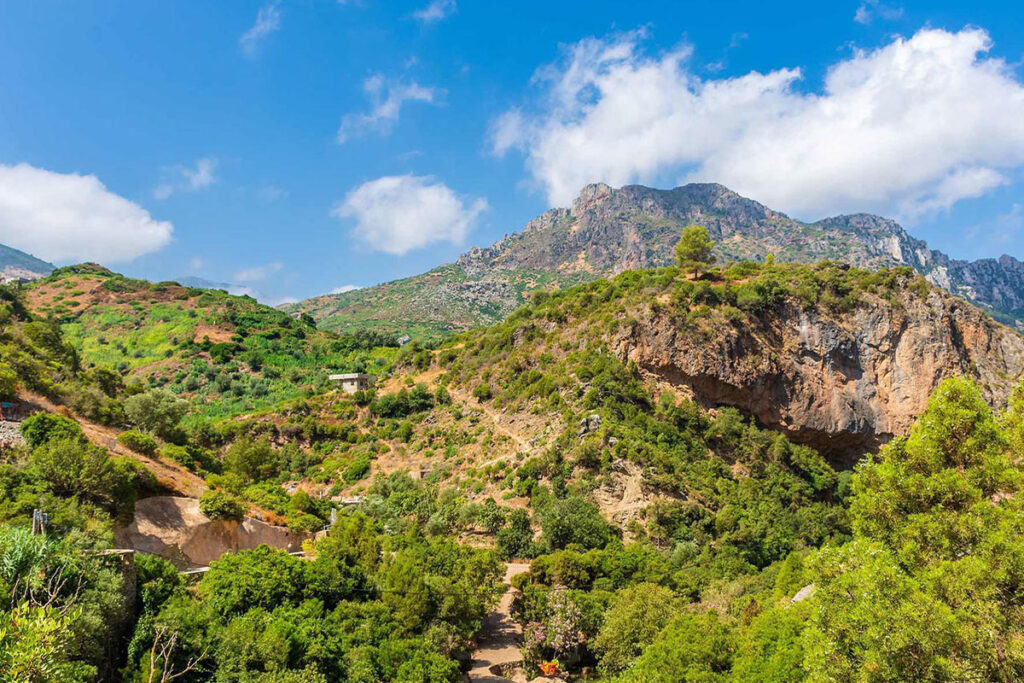
Talassemtane National Park – Ancient Cedar Forests, Rugged Rif Mountains, Rare Endemics and Morocco’s Pristine Mediterranean Highlands
Talassemtane National Park is one of Morocco’s most captivating natural wonders—a lush, mountainous sanctuary where ancient cedar and fir forests intermingle with towering limestone cliffs, deep river canyons and the cool Mediterranean breezes that sweep inland from the northern coast. Established in 2004 and covering approximately 589 km², the park protects some of the most ecologically valuable landscapes of the western Rif Mountains. Nestled within this dramatic region near Chefchaouen, the park offers an immersive blend of geological grandeur, ecological richness and cultural heritage that feels both timeless and deeply rooted in the rhythms of northern Morocco. Its humid microclimates, rare conifer forests and rugged karst formations make Talassemtane a refuge for biodiversity and a paradise for trekkers seeking pristine nature, flowing springs and peaceful highland solitude.
Although lesser known than the High Atlas, Talassemtane holds some of Morocco’s rarest and most ecologically significant habitats, including the critically endangered Moroccan fir forests—found almost nowhere else on Earth. Its mountain slopes, river valleys and forest clearings shelter Barbary macaques, raptors, reptiles, amphibians and a wealth of Mediterranean plant species that thrive in this uniquely cool, moist environment. Combined with the Rif’s blue villages, terraced fields and cultural traditions of the local Amazigh communities, Talassemtane stands as a magnificent landscape where nature, culture and conservation converge in perfect harmony.
Location, Size and Geographic Setting
Talassemtane National Park lies in northern Morocco’s Rif Mountains, a rugged and beautiful region stretching from Tangier to the Algerian border. Located just southwest of Chefchaouen—the famed “Blue Pearl” of Morocco—the park forms the mountainous heart of the province, rising above the town’s azure rooftops and extending deep into remote valleys rich in vegetation and wildlife. Its proximity to Chefchaouen makes it one of the most accessible mountain parks in the country, yet once inside its canyons and forests, visitors encounter a wilderness that feels untouched, serene and far removed from urban life.
- Area: About 589 km² of protected Mediterranean highlands.
- Elevation: Approximately 350 m to more than 2,000 m.
- Main features: Jbel Lakraa, cedar and fir forests, deep gorges, limestone cliffs.
- Closest hub: Chefchaouen.
The park’s geographic diversity—from Mediterranean foothills to elevated ridgelines—results in a rich mosaic of forests, scrublands and alpine environments. This elevational gradient plays a critical role in creating Talassemtane’s humid, temperate climate and sustaining the unique flora and fauna that make this park one of Morocco’s most important conservation areas.
Geology, Mountain Formation and the Rif Landscape
Talassemtane is part of the Rif Mountain chain, whose twisting ridgelines, sharp escarpments and soaring limestone massifs were formed by the complex collision of the African and Eurasian tectonic plates millions of years ago. This dramatic geological history created a rugged topography characterized by karst formations, sinkholes, caves and towering cliff faces that give the park its unmistakable signature. Its limestone bedrock, eroded by wind and water over millennia, has produced labyrinthine gorges and hidden valleys where moisture collects and rare vegetation thrives.
The park’s mountains rise abruptly from surrounding hills, creating spectacular viewpoints and challenging terrain for hikers. These landforms also channel rainfall into powerful springs and streams, enriching the park’s vegetation and supporting ecosystems that are unusually lush for this region. Talassemtane’s geology not only shapes its scenery but also influences soil types, water distribution, plant communities and wildlife habitats.
- Jbel Lakraa (2,159 m): The park’s highest mountain with panoramic views over the Rif range.
- Limestone cliffs: Home to specialized plants and nesting raptors.
- Karst plateaus: Characterized by caves, fissures and seasonal water pockets.
Together, these geological features form a stunning and ecologically productive landscape that offers endless exploration opportunities for trekkers, geologists and photographers alike.
Climate and Altitudinal Zonation
Talassemtane National Park benefits from a uniquely humid Mediterranean mountain climate, which sets it apart from many of Morocco’s other national parks. Moist air carried inland from the Mediterranean Sea rises against the Rif Mountains, cools and condenses into clouds and rainfall—a process that results in some of the highest precipitation levels in the country. This abundant moisture supports dense cedar forests, moss-rich rock formations and perennial rivers that flow even in drier months.
- Temperature range: Cool to mild, with warmer valleys and cool, misty high elevations.
- Rainfall: Highest between October and April; snow possible at high altitudes.
- Summer: Warm but buffered by forest shade and altitude.
- Winter: Cold nights and occasional frost in upper zones.
As elevation increases, the climate shifts from Mediterranean warmth to cool mountain conditions, creating a sequence of ecological zones. Lower elevations host evergreen shrubs and oak forests, while mid-level areas give way to towering cedars and firs. Higher ridges support hardy alpine plants adapted to cold, wind and thin soils. This altitudinal diversity makes the park an excellent living laboratory for ecological and climate research.
Hydrology – Springs, Waterfalls and River Valleys
Water is the lifeblood of Talassemtane National Park. The limestone geology acts like a giant sponge, absorbing rainwater and releasing it gradually through springs, streams and underground aquifers. As a result, the park maintains a consistent flow of freshwater even during Morocco’s dry summer months, supporting both wildlife and local communities. Clear mountain streams weave through cedar forests, carving small pools and waterfalls that add to the park’s tranquil ambiance.
- Ras El Maa: A famous spring near Chefchaouen, fed by mountain runoff.
- Oued Laou: A river system that drains key ridgelines.
- Hidden waterfalls: Appearing after rainfall in shaded ravines and gorges.
- Karst aquifers: Natural underground reservoirs that regulate water flow.
These water systems create lush microhabitats for amphibians, insects and riparian plants while also providing essential irrigation for terraced fields, orchards and villages downstream. The interplay of rock, rain and vegetation makes the park a critical watershed for northern Morocco.
Ecosystems and Habitat Diversity
Talassemtane National Park supports an exceptional range of ecosystems shaped by altitude, climate and geological features. From Mediterranean scrublands at lower elevations to old-growth cedar and fir forests at mid-altitudes and specialized alpine vegetation on limestone cliffs, these habitats form a rich ecological mosaic. Each zone is home to distinct plant and animal communities adapted to the unique environmental conditions of the Rif Mountains.
- Mediterranean scrub: Wild olives, pistachio trees and aromatic plants.
- Mixed oak forests: Home to countless bird and insect species.
- Cedar and fir forests: Among the last remaining stands in Morocco.
- Riparian zones: Lush vegetation along streams and springs.
- Alpine limestone habitats: Rare, endemic flora adapted to rocky slopes.
These ecosystems not only support wildlife but also play a vital role in water conservation, soil protection and climate regulation, making Talassemtane one of Morocco’s most ecologically valuable landscapes.
Flora – Cedars, Firs and Mediterranean Forest Richness
Talassemtane’s flora is among the richest in the western Mediterranean region. The park is famous for its ancient conifer forests—particularly the endangered Moroccan fir (Abies maroccana), which grows almost exclusively in the Rif Mountains. These forests create shaded, humid environments ideal for mosses, lichens, ferns and numerous rare understory plants. Oak, cedar and fir woodlands support high levels of botanical diversity, making the park a haven for botanists and plant enthusiasts.
- Moroccan fir: A critically endangered species found in only a few isolated stands.
- Atlas cedar: Tall, majestic trees dominating the higher slopes.
- Evergreen oaks: Including gall oak and cork oak.
- Medicinal plants: Used by local communities for traditional remedies.
The park’s varied flora contributes not only to its ecological richness but also to its striking visual beauty—especially during spring when wildflowers bloom across meadows and forest edges.
Wildlife of Talassemtane National Park
Talassemtane’s forests and cliffs support a remarkable array of wildlife, much of it uniquely adapted to the humid mountain environment of the Rif. Because the region receives more rainfall than most parts of Morocco, its habitats are cooler, greener and more densely vegetated—conditions that allow species to thrive that would not survive in drier ecosystems.
Mammals
- Barbary macaque: The park is a critical refuge for this endangered primate.
- Wild boar: Common in forest and scrub habitats.
- Genet and mongoose species: Found in dense woodlands.
- Small deer species: Restricted to quiet, remote valleys.
Birdlife
Birdwatching in Talassemtane is outstanding, thanks to the park’s combination of cliffs, forests and river valleys. Raptors soar on updrafts above limestone ridges, while forest birds call from cedar canopies and dense undergrowth.
- Bonelli’s eagle
- Booted eagle
- Short-toed snake eagle
- Tawny owl
- Blue rock thrush
- Great spotted woodpecker
Reptiles, Amphibians and Insects
High humidity supports frogs, toads and salamanders in shaded streams, while reptiles bask on rocky outcrops. The park also hosts a rich insect population including butterflies, beetles and pollinating species that thrive in its varied micro-habitats.
Cultural Heritage – Amazigh Traditions and Mountain Communities
Talassemtane National Park is deeply rooted in the cultural traditions of Morocco’s Amazigh communities. These mountain people have shaped the landscape through terraced agriculture, pastoralism and sustainable forest use for generations. Their villages, built from stone and earth, blend harmoniously with the rugged terrain and reflect centuries of adaptation to the mountainous environment.
- Terraced farming: Using ancient irrigation methods to grow olives, figs and vegetables.
- Traditional crafts: Wool textiles, wood carving and pottery.
- Oral traditions: Storytelling, poetry and music celebrating mountain heritage.
Visitors often experience this cultural richness through guided village walks, local meals and interactions with shepherds, artisans and families whose livelihoods are intimately tied to the land.
Conservation Importance
Talassemtane National Park is one of Morocco’s most important conservation areas, protecting ecosystems that are rare, fragile and globally significant. Its humid forests are biodiversity hotspots and serve as essential refuges for endangered species like the Moroccan fir and Barbary macaque. Additionally, the park’s vegetation helps regulate water cycles, prevent soil erosion and mitigate the effects of climate change on local communities.
- Preservation of rare conifer forests and Mediterranean flora.
- Protection of vulnerable primate populations.
- Safeguarding vital watersheds that support agriculture.
- Maintenance of genetic diversity in mountain ecosystems.
Threats and Environmental Challenges
- Deforestation: Illegal logging and overharvesting of firewood.
- Overgrazing: Livestock pressure on forest regeneration.
- Wildfires: Increasingly common during hot, dry summers.
- Climate change: Reducing moisture and stressing rare species.
- Human encroachment: Expansion of agriculture and settlements.
Understanding and mitigating these threats is essential for maintaining the ecological integrity of Talassemtane’s forests, rivers and wildlife habitats.
Research and Monitoring Programs
Scientific research in Talassemtane focuses on forest health, climate resilience, wildlife populations and watershed dynamics. Researchers track the regeneration of Moroccan fir stands, monitor the behavior and distribution of Barbary macaques, and study water quality across the park’s freshwater systems. These efforts help guide conservation planning and improve long-term sustainability.
- Forest structure mapping and regeneration studies.
- Primate population surveys.
- Hydrological monitoring of springs and streams.
- Vegetation and biodiversity assessments.
Tourism Activities in Talassemtane National Park
- Hiking and trekking: Trails through cedar forests, cliff-top viewpoints and hidden valleys.
- Wildlife observation: Ideal for spotting macaques, raptors and forest species.
- Botanical tours: Explore rare flora, from fir forests to alpine plants.
- Photography: Dramatic cliffs, waterfalls, forest canopies and scenic ridges.
- Cultural encounters: Visit Amazigh villages and experience traditional rural life.
Access – How to Reach Talassemtane National Park
- By Road: Easily reached from Chefchaouen, Tetouan or Tangier.
- Trailheads: Numerous entry points near mountain villages and river valleys.
- Transport: Taxis, rental vehicles and guided trekking services.
The park’s accessibility combined with its rich natural and cultural offerings makes it ideal for day hikes, multi-day treks or full ecotourism experiences.
Permits and Park Regulations
- Use designated trails to prevent erosion.
- No cutting of trees or plant harvesting.
- Respect wildlife and maintain safe viewing distances.
- Carry out all waste and minimize environmental impact.
Accommodation Options
- Guesthouses in Chefchaouen: Comfortable bases for park exploration.
- Village homestays: Authentic cultural immersion in mountain communities.
- Eco-lodges: Set in scenic valleys for multi-day retreats.
These accommodations offer traditional meals, mountain hospitality and convenient access to park trails and viewpoints.
Best Time to Visit Talassemtane National Park
- March–June: Lush greenery, waterfalls and wildflowers.
- September–November: Clear skies and excellent trekking weather.
- Summer: Warm but pleasant at higher altitudes.
The park is accessible year-round, but spring and autumn provide the most comfortable conditions and the most vibrant landscapes.
Why Talassemtane National Park Is Unique
Talassemtane National Park stands out as a rare mountain jewel where ancient forests, dramatic limestone peaks, rich wildlife and deep-rooted Amazigh culture come together in a breathtaking Mediterranean landscape. Its unique combination of humid conifer forests, abundant freshwater springs, towering cliffs and vibrant biodiversity make it unlike any other national park in Morocco. Whether trekking through majestic cedar groves, exploring hidden waterfalls or discovering the traditions of mountain communities, visitors experience a natural sanctuary that is serene, beautiful and profoundly connected to the heritage of the Rif Mountains.