
Tazekka National Park
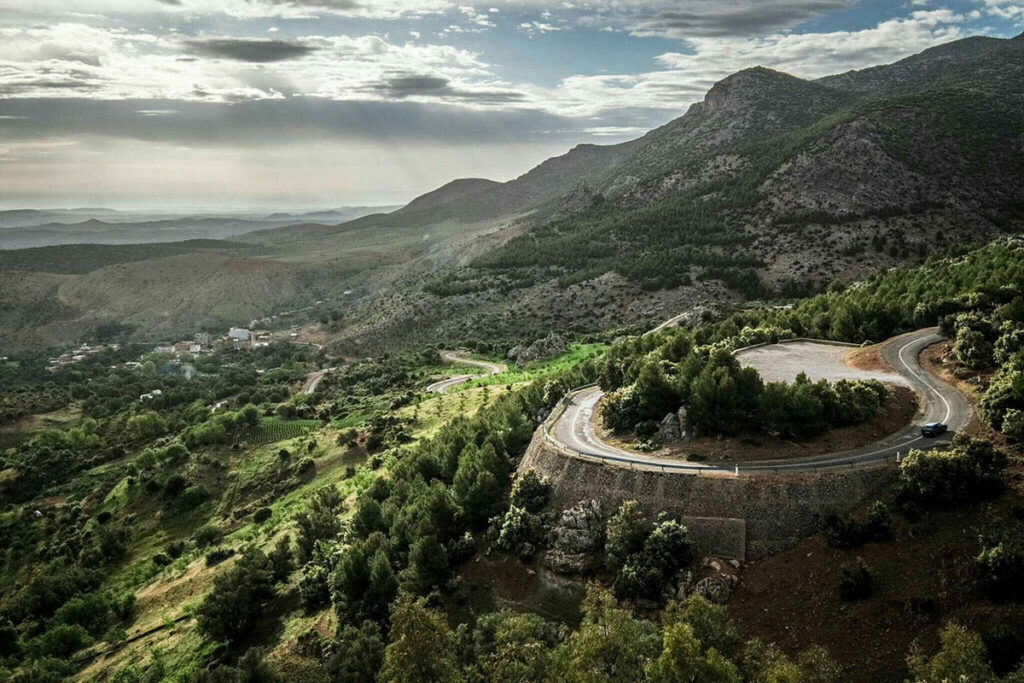
Tazekka National Park, Morocco – Cedar Forests, Karst Landscapes, Waterfalls and Middle Atlas Mountain Wilderness
Overview of Tazekka National Park
Tazekka National Park is one of Morocco’s most striking natural treasures, celebrated for its ancient cedar forests, dramatic Middle Atlas mountain peaks, rich biodiversity and refreshing alpine climate. Established in 1950 to protect the iconic Atlas cedar groves on Jbel Tazekka, the park expanded significantly in 1989 to encompass diverse ecosystems, waterfalls, caves, karst plateaus and extensive oak woodlands. Today it spans roughly 120 km², offering a unique blend of ecological richness, scenic beauty and cultural heritage. Its elevation gradients, geological diversity and high rainfall make it a hotspot for both endemic and Mediterranean species.
The park stands out as one of the Middle Atlas region’s best destinations for eco-tourism, mountain trekking, forest exploration, birdwatching and scientific research. Tazekka’s landscapes shift dramatically within short distances—from deep canyons and lush cedar forests to open meadows, limestone cliffs and traditional Amazigh agricultural terraces. Its proximity to Taza makes it easily accessible for visitors seeking an authentic Moroccan mountain experience without the crowds that characterize more famous destinations.
Location and Regional Setting
Tazekka National Park lies approximately 21 km southwest of Taza, strategically positioned at the intersection of the Middle Atlas and the Rif influence zones. This location contributes to its unique environmental conditions, where humid North Atlantic air masses meet the rugged highlands of the Atlas Mountains. Its coordinates, centered around 34.08° N and 4.15° W, place it within a climatically privileged zone that receives significantly more rainfall than surrounding lowlands.
The park includes two main massifs with distinct characteristics: the schist-bearing Jbel Tazekka and the limestone-dominated Bab Bou-Idir plateau. The contrast in rock formations creates a visually captivating environment where deep valleys, high ridges, karst corridors and terraced farmlands coexist. These varied landforms generate microhabitats that support a wide variety of plant and animal life, making Tazekka a core conservation area in northern Morocco.
Geology and Mountain Formation
Tazekka’s geological foundation is a fascinating showcase of the Alpine orogeny, the mountain-building event responsible for shaping much of Morocco’s mountainous terrain. Over millions of years, tectonic activity uplifted layers of schist, limestone, sandstone and dolomite, creating the rugged profiles seen today. The limestone plateau of Bab Bou-Idir is especially notable for its karst topography—formed through millennia of water erosion that carved intricate underground channels, caves, sinkholes and fissures.
These geological formations support specialized plant communities, influence water flow patterns and create natural shelters that serve as habitats for bats, reptiles and other wildlife. The schist peaks of Jbel Tazekka, in contrast, host dense cedar forests rooted in deeper, moisture-retentive soils. This dynamic interplay between geology and ecology shapes the park’s distinct identity and provides a rich natural laboratory for scientists studying mountain ecosystems.
Climate of the Park
The park enjoys a cool, humid Mediterranean climate strongly modified by altitude. Winters are cold and often snowy, with snow covering the cedar forests and high ridges for weeks or months at a time, creating striking alpine scenery rarely associated with North Africa. Summers are mild, making Tazekka one of Morocco’s best summer escapes for hikers and nature lovers seeking relief from the intense heat of nearby lowland cities like Fez and Taza.
With annual rainfall ranging from 600 mm in lower zones to nearly 1,800 mm on upper slopes, Tazekka supports lush vegetation and numerous watercourses. Persistent winter precipitation and orographic uplift contribute to the park’s high moisture levels. These conditions allow for the survival of species that would otherwise be restricted to cooler, wetter climates, reinforcing Tazekka’s status as a biodiversity refuge.
Hydrology – Springs, Streams and Karst Water Systems
Tazekka National Park is a vital hydrological reservoir for the larger Taza region. Its high rainfall, snowmelt and underground karst systems work together to recharge aquifers and sustain streams throughout the year. Springs emerging from the limestone plateau feed lower valleys, providing essential water for both wildlife and surrounding agricultural communities.
Water features dot the landscape and contribute to the park’s scenic appeal. Seasonal waterfalls cascade down steep rock faces in spring, while mossy riparian corridors support ferns, orchids and moisture-loving plant species. The hidden karst aquifers filter water naturally, resulting in clean, cool springs that maintain ecological productivity even during the dry season.
Ecosystems and Ecological Zonation
The ecological diversity of Tazekka National Park is remarkable, thanks to its elevation range, varied geology and abundant moisture. Distinct ecosystem belts stretch from the foothills to the summit of Jbel Tazekka, each supporting its own set of species and ecological processes. This vertical stratification creates a natural mosaic of habitats, making the park one of the most ecologically layered landscapes in the Middle Atlas.
- Scrublands and maquis: Aromatic shrubs, sage, rosemary and rockroses in lower altitudes.
- Evergreen oak forests: Holm oak and cork oak woodlands that host diverse fauna.
- Zeen oak valleys: Moist, cool pockets ideal for ferns, fungi and rich understorey life.
- Mixed cedar–oak belts: Transitional forests offering cool shade and varied wildlife habitats.
- Atlas cedar forests: Ancient high-altitude conifer stands defining the park’s identity.
- Karst ecosystems: Thin-soil environments with resilient, specialized plants.
- High meadows: Seasonal wildflower displays along ridges and mountain slopes.
Vegetation and Botanical Richness
Tazekka’s botanical diversity is one of its greatest assets. The park shelters extensive stands of Atlas cedar (Cedrus atlantica), a majestic conifer whose presence signals both ecological health and historical continuity. These cedar forests, often wrapped in mist, support moss carpets, lichens and a rich understory of shade-tolerant plant species. Many trees in the cedar belt are centuries old, providing nesting sites and shelters for wildlife.
Below the cedar zone, several oak species thrive:
- Holm oak: Evergreen forests adapted to lower elevations and drier slopes.
- Zeen oak: One of the Middle Atlas’s most moisture-loving deciduous oaks.
- Cork oak: Featuring distinctive thick bark historically used for cork harvesting.
The park’s wildflower diversity peaks in spring, with carpets of orchids, irises, anemones and small ephemerals blooming across meadows and forest floors. Aromatic herbs such as mint, sage, thyme and lavender flourish throughout the year, contributing to the region’s traditional herbal medicine practices.
Wildlife of the Park
Mammals
The varied habitats of Tazekka support a rich community of mammal species. Forests, meadows, rocky habitats and caves offer ecological niches for carnivores, herbivores and small mammals alike. The most significant conservation achievement has been the successful reintroduction of the Barbary stag, a species once extinct in the area but now steadily recovering under protection.
- Barbary wild boar
- Red fox and golden jackal
- Crested porcupine and North African hedgehog
- Genet, mongoose and other small carnivores
- Bats roosting in karst caves and tunnels
- Barbary stag (reintroduced population)
Birds
Tazekka National Park is among Morocco’s top birdwatching destinations thanks to its altitude range, dense forests and cliff ecosystems. As an Important Bird Area (IBA), it attracts bird enthusiasts seeking both Mediterranean woodland species and powerful raptors that patrol the skies above cliffs and valleys.
- Barbary partridge
- Levaillant’s woodpecker
- Bonelli’s eagle
- Short-toed snake eagle
- Peregrine falcon
- Moussier’s redstart
- Subalpine and Sardinian warblers
- Black wheatear
Reptiles and Amphibians
The park’s humid gullies, wetlands and rocky slopes foster reptile and amphibian communities that include both common and regionally rare species. These animals play essential ecological roles, from insect control to nutrient cycling.
- North African fire salamander
- Moroccan midwife toad
- Spur-thighed tortoise
- Berber toad
- Painted frog species
- Geckos and small lacertid lizards
Insects and Invertebrates
Insects thrive in Tazekka’s varied ecosystems, especially during spring and summer. Butterflies flit across meadows, beetles forage in leaf litter, and dragonflies dominate wetland edges. Entomologists consider the park a promising site for future species discoveries due to its underexplored karst and forest microhabitats.
Unique Features and Scenic Highlights
Several natural features distinguish Tazekka from other Moroccan parks. The isolated high-altitude cedar forests, for example, represent relict ecosystems that have survived climatic fluctuations for centuries. The karstic landscapes of Bab Bou-Idir provide endless opportunities for exploration, from caves and sinkholes to dramatic limestone cliffs.
- Majestic cedar forests at high elevations
- Karst plateaus with caves and underground rivers
- Seasonal waterfalls animated by snowmelt
- Panoramic mountain viewpoints
- Diverse oak forests with rare species
- Colorful spring meadows
- Snow-covered peaks in winter
Cultural Heritage and Local Communities
The region around Tazekka is home to Amazigh tribes such as the Aït Seghrouchen and Aït Youssi. Their deep-rooted cultural traditions are reflected in terrace farming, honey production, shepherding and seasonal grazing practices. For centuries, local communities have lived in harmony with the natural environment, relying on forests, springs and wild herbs for daily life.
Visitors may encounter stone-built villages, traditional ovens, artisanal workshops and grazing flocks moving along mountain trails. Sustainable tourism in the area helps support local livelihoods while promoting cultural preservation.
Conservation Importance
Tazekka National Park plays a crucial conservation role by protecting sensitive ecosystems found nowhere else in northern Morocco. Its forests regulate regional water cycles, prevent soil erosion, and store carbon that helps mitigate climate change. The park provides safe habitat for threatened species, supports ecological research, and anchors the Middle Atlas’s broader biodiversity network.
Ongoing conservation efforts include cedar forest restoration, wildlife monitoring, anti-poaching patrols, controlled grazing programs and community education initiatives that encourage sustainable resource use.
Threats and Environmental Challenges
Despite its importance, Tazekka faces environmental pressures that require careful management. Deforestation, overgrazing, illegal firewood collection, unregulated tourism and climate change pose risks to sensitive ecosystems. Cedar forests are particularly vulnerable to prolonged droughts and rising temperatures, which contribute to dieback and reduced regeneration.
Soil erosion on slopes, forest fire risks during hot summers, and human-wildlife conflicts in nearby villages are additional concerns. These challenges highlight the need for stronger conservation policies, community engagement and sustainable tourism models that minimize ecological disturbance.
Research and Monitoring Programs
Scientists and conservationists are increasingly focusing on Tazekka as a living laboratory for studying forest ecology, climate impacts, karst hydrology, and species adaptation. University programs and research institutions conduct field studies on vegetation patterns, groundwater recharge, wildlife populations and community–park relationships.
Long-term monitoring programs help track changes in forest health, water availability and wildlife behavior. These data inform adaptive management strategies that support the park’s long-term resilience in the face of environmental change.
Tourism Activities and Visitor Experiences
Tazekka National Park offers a wide range of nature-based activities suited for adventure travelers, families, hikers and photographers. Its cool climate and varied terrain make it ideal for both short excursions and multi-day explorations.
- Trekking to the summit of Jbel Tazekka
- Exploring caves, karst features and limestone cliffs
- Viewing waterfalls during the spring melt
- Birdwatching across forest and cliff ecosystems
- Wildlife observation in early morning or dusk
- Picnics in aromatic oak and cedar forests
- Snow photography and winter adventure experiences
Visitor Facilities and Infrastructure
While Tazekka remains largely natural and wild, it offers essential visitor infrastructure to ensure safe and enjoyable exploration. Marked hiking trails guide visitors through cedar forests, waterfall zones and scenic viewpoints. Several picnic sites and pull-off areas along the mountain loop road allow visitors to appreciate panoramic landscapes.
Some villages near the park provide local guiding services, making it easier for travelers to access caves, waterfalls and remote sections of the park. Future development aims to enhance visitor centers, interpretive panels and trail signage while maintaining the park’s eco-friendly, low-impact ethos.
Access and How to Get There
The easiest access point to Tazekka National Park is through Taza, a major transport hub connected by bus, train and road to cities such as Fez, Rabat and Casablanca. From Taza, the park’s entrance lies 30–40 minutes away, depending on road conditions and chosen route.
Visitors typically navigate the park using the scenic loop road, which provides access to cedar forests, waterfalls, viewpoints and trailheads. For cave exploration or remote trails, hiring a local guide or arranging transport is highly recommended.
Permits, Regulations and Fees
General entry into the park does not require a special permit, but certain activities—such as scientific research, commercial filming, organized group treks or cave exploration—may need prior authorization from Morocco’s forestry and protected-area authorities. Visitors should follow all posted regulations, stay on designated trails and observe Leave No Trace principles.
Campfires are discouraged due to forest fire risks, especially in late summer. Collecting plants, rocks or wildlife is strictly prohibited. Respecting wildlife space and minimizing noise ensures that both animals and visitors benefit from a safer environment.
Accommodation Options
While the park itself does not contain major lodges or hotels, the nearby city of Taza offers numerous accommodation options, including hotels, guesthouses, eco-lodges and budget-friendly stays. For travelers seeking a more immersive cultural experience, rural villages around the park offer traditional homestays or small gîtes, where visitors can enjoy local cuisine and interact with Amazigh families.
Camping may be allowed in designated areas or with local guidance, but it should always be conducted responsibly to protect sensitive environments and maintain cleanliness.
Best Time to Visit
Tazekka National Park offers different charms throughout the year. The ideal season depends on the experience you seek:
- Spring (March–May): Waterfalls at peak flow, wildflowers blooming, and perfect temperatures.
- Summer (June–September): Cool high-altitude forests offer a refreshing escape from lowland heat.
- Autumn (October–November): Oak forests transition into subtle autumn colors with stable weather.
- Winter (December–February): Snow covers mountain peaks and cedar forests, creating spectacular scenery.
Why Tazekka National Park Is Unique
Tazekka National Park stands out as a haven of ecological richness, geological beauty and cultural authenticity. Few places in Morocco combine ancient cedar forests, karst caves, snow-capped peaks, seasonal waterfalls and Mediterranean oak woodlands in such a compact space. Its reintroduced Barbary stag population, diverse birdlife and hidden hydrological systems add to the uniqueness of this Middle Atlas wilderness.
For travelers seeking a destination that blends nature, science, culture and adventure, Tazekka offers one of Morocco’s most rewarding and under-explored mountain experiences. Its scenic diversity, mild climate, wildlife habitats and friendly local communities make it an exceptional destination for eco-tourism, research and outdoor recreation.