
Tsavo East National Park
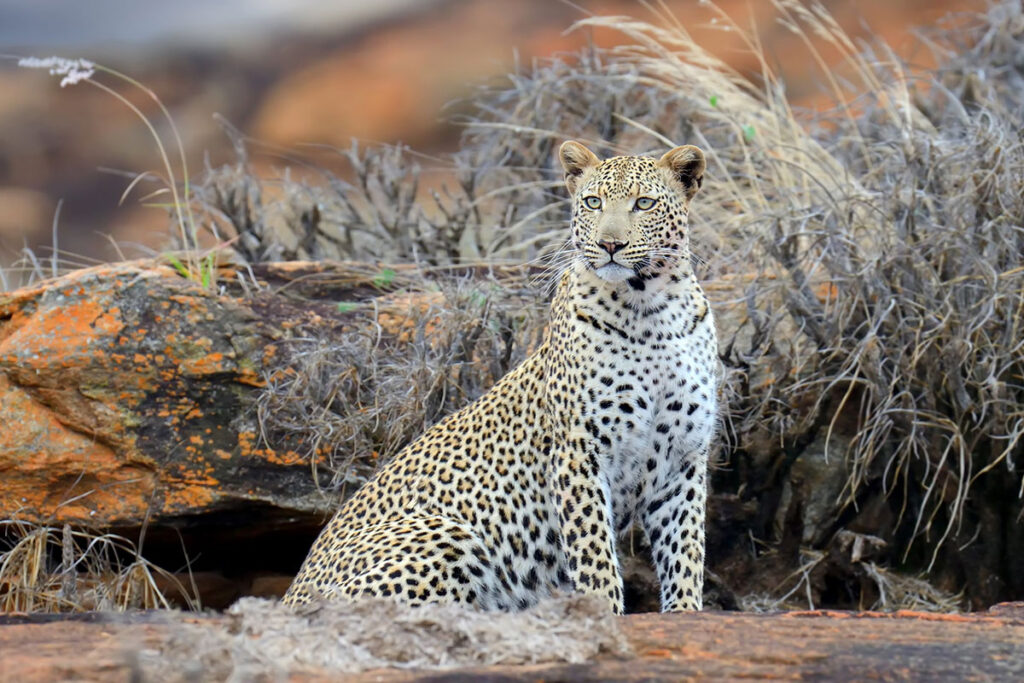
Tsavo East National Park, Kenya – Land of the Red Elephants, Maneless Lions, Endless Savannah & Untouched Wilderness
Tsavo East National Park is a monumental landscape of wild freedom — a place where the earth burns red beneath the sun, where dust rises like smoke behind herds of elephants, and where silence rolls across miles of open savannah broken only by the distant roar of lions. At over 13,700 km², Tsavo East is not only one of the largest national parks in Kenya, but one of the greatest remaining wildlife ecosystems on the African continent. It is raw, elemental, overwhelmingly wild — the kind of safari experience that feels unchanged by time.
Travelers seeking an authentic African wilderness, far from crowds and commercialized safari circuits, will find Tsavo East utterly spellbinding. Unlike compact parks with dense lodge clusters, Tsavo East stretches open and infinite — giving wildlife space to move naturally, predators room to hunt freely, and visitors the sense that they are exploring an Africa that still belongs to the animals.
Historical Timeline – From Ancient Savannah to Iconic Wildlife Sanctuary
Long before Tsavo East was gazetted in 1948, this region was home to migrating elephants, free-roaming lions, prehistoric lava flows, and indigenous pastoral communities who developed a deep ecological understanding of the land. The most dramatic turning point came in the late 19th century during construction of the Uganda Railway, when the infamous “Tsavo Man-Eaters” — a pair of powerful lions — attacked railway workers and became part of world history. Their story remains one of Africa’s most fascinating predator tales, often studied to understand lion behaviour, territorial dominance, and adaptations to heat and prey scarcity.
After Kenya gained independence, Tsavo East became a fortress for wildlife — especially elephants. Although the 1970s and 80s saw intense poaching, the park has since rebounded through strong ranger presence, aerial patrols, and community collaboration. Today, Tsavo stands as a conservation triumph, safeguarding one of the largest elephant populations in East Africa and inspiring global wildlife recovery strategies.
Location & Geography – A Wilderness the Size of Nations
Tsavo East covers a massive section of southeastern Kenya, stretching from the Athi River to the Galana River and merging into greater Tsavo West. Its vastness cannot be overstated — the park is so large that it contains entire ecosystems within its boundaries, from volcanic escarpments to river oases to open plains that disappear into the horizon. Even on a full-day safari, visitors may see only a fraction of its wild expanse.
- Yatta Plateau — the longest lava flow in the world (over 300 km).
- Mudanda Rock — water catchment rock where hundreds of elephants gather.
- Lugard Falls — thunderous cascades of the Galana River.
- Aruba Dam — consistent wildlife magnet, especially in dry seasons.
The land here is alive with geothermal history — iron-rich soil paints the elephants red, basalt cliffs hint at past eruptions, and the air holds heat that shapes every species that lives here.
Climate – Extreme, Beautiful & Wildlife-Defining
Tsavo East is hot, dry, dramatic — a climate that breeds resilient wildlife. Rain is scarce, heat is constant, and survival is a daily negotiation with nature. This climate is precisely what makes the ecosystem extraordinary: animals adapt in ways rarely seen elsewhere in Africa.
- January–February: Clear skies, intense heat, high predator activity.
- March–May: Long rains bring explosive plant growth, calving season begins.
- June–October: Peak safari season — animals crowd water sources.
- November–December: Short rains restore green plains and bird migrations.
Sunrises ignite the sky in orange fire, midday light shimmers across hot plains, and nights fall warm and star-filled — Tsavo is a theatre of weather as much as wildlife.
Hydrology – Rivers of Life Through a Parched Giant
Without water, Tsavo would be stone and dust — but the Galana River changes everything. Flowing like a silver vein through the park, Galana sustains elephants, crocodiles, buffalo, hippos, leopards, fish eagles, and thousands of grazing mammals that depend on its predictable pulse. Waterholes such as Aruba Dam and Mudanda Rock become wildlife stages — lions wait, zebras risk crossing, elephants dig for nutrients, and crocodiles watch with prehistoric patience.
Even in the driest months, water remains — deep enough for hippos to submerge, wide enough for elephants to ford, powerful enough to carve canyons. In drought years, survival scenes unfold here with intensity unmatched anywhere else in Kenya.
Ecosystems & Vegetation – Savannah Like Nowhere Else
Tsavo East’s dominant vegetation is open grassland — sparse, sun-beaten, breathtakingly exposed. Every animal is visible, every movement noticeable. This is a predator’s kingdom and a conservationist’s dream for studying natural behaviour without obstruction.
- Red-soil plains — perfect for lion tracking and elephant migrations.
- Acacia and commiphora scrub — shade for giraffes, kudu, gerenuk.
- Riverine forests — cool shadow worlds for leopards and monkeys.
- Baobab belts — ancient giant trees rivaling sky pillars.
- Volcanic zones — rocky terrain for klipspringers and hyrax.
In the wet season, plains burst emerald green, flowers flush across termite mounds, and butterflies drift like confetti above new grass — a transformation so sudden and dramatic it feels like rebirth.
Wildlife of Tsavo East National Park
Tsavo East is a cathedral of megafauna — a kingdom where nature still rules. Predators hunt boldly, prey migrate in the thousands, and survival plays out publicly across the open earth.
The Red Elephants of Tsavo
Tsavo’s elephants are globally iconic — coated in red volcanic soil, glinting in sunlight like copper statues. They travel in extended matriarch-led families, teach calves migration paths older than civilization itself, mourn their dead, share water, and communicate through infrasound that rolls across plains imperceptible to human ears. No park in the world offers an elephant experience as visually powerful and emotionally moving as Tsavo East.
The Maneless Lions of Tsavo – Evolution at Work
The lions here are unlike anywhere else — rugged, streamlined, built for heat endurance rather than show. Many males lack full manes; instead they display short bristles or none at all, reducing heat stress and thorn snagging while hunting through commiphora thickets. Tsavo lion prides patrol enormous territories, confront buffalo aggressively, and are known historically for bold behaviour.
Watching Tsavo lions on the hunt — silent paws through red dust, tails flicking signals, muscles taut in fading light — is one of Africa’s most electrifying wildlife experiences.
Mammals of Tsavo (Extensive List)
- Elephants (massive, visible, numerous)
- Lions (including maneless phenotype)
- Leopards — elusive but present near rivers
- Cheetahs — fastest hunters across open plains
- Buffalo — giant herds in peak dry season
- Rhinos (in secure protection zones)
- Zebras, giraffes, wildebeest, hartebeest
- Eland, oryx, lesser kudu, gerenuk
- Hyenas, jackals, civets, serval
- Dik-dik, warthog, bushbuck
Predator interactions are intense — especially at waterholes where buffalo, zebra and impala risk death for a single drink.
Birdlife – One of Africa’s Greatest
More than 500 species inhabit Tsavo East — from ground-dominant bustards to colourful bee-eaters and mighty raptors. Galana River and Aruba Dam are hotspots where storks, kingfishers, rollers, pelicans and herons gather daily.
Reptiles & Amphibians
- Nile crocodiles up to 6m long
- Monitor lizards raiding nests
- Rock pythons ambushing warthogs
- Tree frogs calling after rain
- Venomous snakes (cobra, puff adder)
Local Culture & Community Connection
Tsavo East is surrounded by communities whose history and survival are tied directly to wildlife. The Kamba, Taita and Mijikenda people have long traditions of herbal healing, drought adaptation, cattle herding and ecological awareness. Many traditional beliefs forbid over-hunting and emphasize coexistence with wildlife — a cultural foundation now critical in modern conservation.
Today, community conservancies help protect elephant corridors, beadwork initiatives support women’s income, and tourism revenue funds schools and water access. When communities benefit, poaching decreases — making cultural partnership a cornerstone of Tsavo’s long-term survival.
Conservation Importance – A Last Great Wilderness
Protecting Tsavo East means protecting one of the most intact large-mammal systems left on Earth. Very few places support elephant populations at this scale — and even fewer still allow predators to function naturally without heavy human interference. Lions here still choose their prey. Elephants still carve migration routes. Hyenas still control carcasses. The ecosystem still works.
- Largest elephant refuge in East Africa
- Stronghold for lions, leopards, cheetahs
- Critical link between Tsavo West, Chyulu & Wildlife Dispersal lands
- Carbon storage & climate stabilization
- Bird migration corridor of continental scale
Threats & Response
- Poaching reduced but must remain monitored
- Human–elephant conflict near farms
- Climate-driven drought stress
- Habitat fragmentation outside the park
Yet Tsavo remains one of Africa’s conservation victories — a living proof that protection, community partnership and education can restore an ecosystem once nearly lost.
Scientific Research & Wildlife Monitoring
Tsavo East is a high-value research zone where scientists track animal movement, study heat-adapted predators, monitor elephant family structures, and document drought resilience strategies that may guide global climate policy in the future. Every migration tracked, every pride mapped, every carcass studied adds data to the story of Africa’s surviving wilderness.
- Elephant satellite-tracking programs
- Lion genetic and behavioural research
- Bird ring-tag migration documentation
- Vegetation regeneration after seasonal rains
- Conflict-prevention technology with farmlands
Tsavo is not just a park — it is a global environmental observatory.
Safari Activities & Experience Highlights
- Classic game drives across open savannah
- Elephant-viewing at Aruba Dam & Galana River
- Hot-air balloon safari (sunrise over red earth)
- Lugard Falls gorge viewing & photography
- Yatta Plateau scenic route — unmatched geological wonder
- Night drives for advanced predator sightings
- Specialist photographic & documentary safaris
- Cultural visits to Kamba, Mijikenda, Taita villages
Tsavo safari is not gentle or manicured — it is raw, real, alive. You feel Africa here in a way most places can no longer provide.
Safari Safety, Etiquette & Field Wisdom
A respectful visitor is rewarded with remarkable wildlife behaviour.
- Keep distance from elephants — Tsavo bulls can charge boldly.
- Remain inside vehicles unless on guided walk.
- Avoid sudden noise at waterholes — predators listen more than they look.
- Hydrate, hat, sunscreen — heat exhaustion is real.
- Prime photography light: first 90 min of dawn + last 90 before dusk.
- Carry binoculars — Tsavo plains are wide and scanning pays off.
Access & Travel Routes
- Nairobi → Tsavo East: 5–6 hrs highway drive
- Mombasa → Tsavo East: 2–3 hrs (perfect for beach-to-safari combo)
- Airstrips: Voi, Aruba, Sala, Manyani – charter ready
Most travelers combine Tsavo East with Tsavo West, Amboseli, or Diani/Mombasa coast trips.
Accommodation — Lodges, Tented Camps & Wild Camping
Where you stay shapes your experience. Tsavo offers multiple styles:
- Luxury lodges: pools, waterhole decks, private vehicles.
- Tented river camps: lantern-lit dinners beside elephants.
- Mobile camps: focus on photography, silence & immersion.
- Public campsites: nothing but stars, firelight, wildlife.
Best durations:
- 2 Days: Aruba Dam + lion tracking.
- 3–4 Days: Lugard Falls + Yatta Plateau exploration.
- 5–7 Days: Full immersion + Tsavo West extension.
Best Time to Visit — Month-By-Month Seasonal Grid
- Jan–Feb: Dry heat, intense elephant/buffalo gatherings.
- Mar–May: Dramatic skies, green landscapes, birthing season.
- Jun–Oct: Peak wildlife visibility + best photography.
- Nov–Dec: Migratory birds return, rain refreshes plains.
There is no wrong time to visit Tsavo — every phase reveals a different character of the park.
Why Tsavo East National Park is Unique
- Home to red elephants found nowhere else in this visual intensity.
- Maneless heat-adapted lions — evolutionary rarity.
- The world’s longest lava flow — the Yatta Plateau.
- One of the last truly wild and vast ecosystems in Africa.
- Less crowded — pure wilderness atmosphere.
- Safari stories here become lifelong memories.
Tsavo East National Park is more than a destination — it is a living epic of African wilderness. A place where survival unfolds daily, where silence has weight, where elephants paint themselves in red earth like ancient warriors, and where lions still rule the land on their terms — not ours. For travelers seeking the heart of Africa as it once was, and as it must remain, Tsavo East is the closest one may ever come to breathing untouched freedom.