
Zambezi National Park
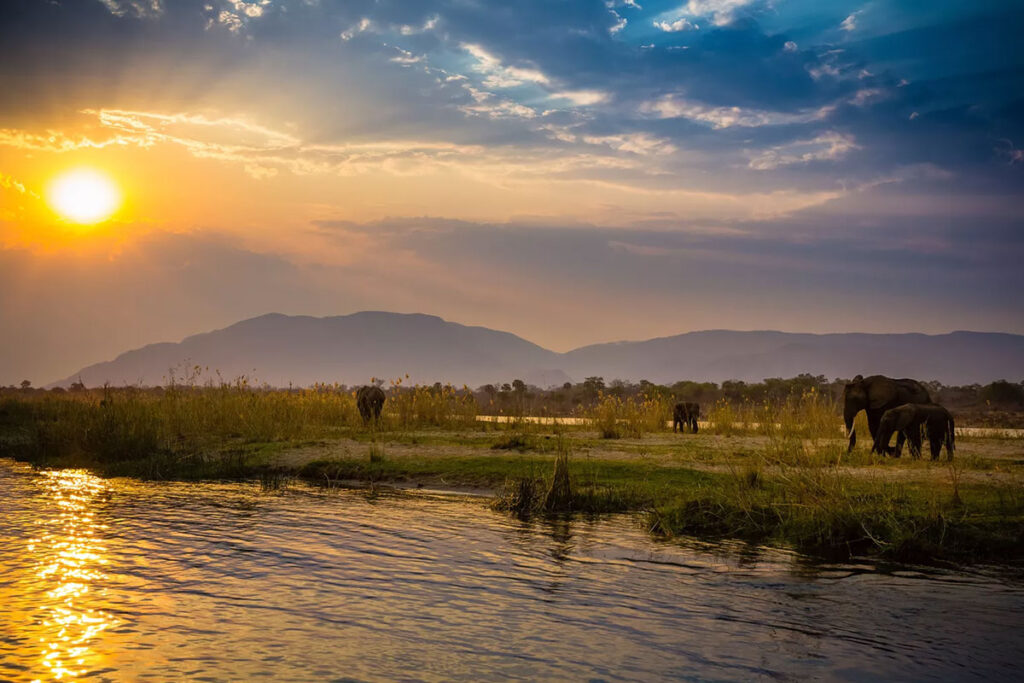
Zambezi National Park, Zimbabwe – A 560 km² Wilderness Along the Mighty Zambezi River, Big Game Sanctuary, Birding Paradise and One of the Most Scenic Safari Destinations in Southern Africa
Zambezi National Park is one of Zimbabwe’s most spectacular yet surprisingly uncrowded wilderness areas—a pristine landscape shaped by the legendary Zambezi River and home to an extraordinary diversity of wildlife, birds and riverine habitats. Established in 1979 after being separated from Victoria Falls National Park, this 560 km² protected area stretches upstream from the iconic Victoria Falls, covering nearly 56,000 hectares of riverine forests, mopane woodlands, teak forests, floodplains and inland savannas. Its breathtaking setting along Africa’s fourth-longest river creates a unique safari experience combining water-based and land-based wildlife encounters.
Despite its close proximity to one of the world’s most visited attractions—Victoria Falls—the park remains beautifully wild, serene and authentic. Visitors enjoy classic game drives, river cruises, walking safaris, canoeing and birding with far fewer vehicles than typical safari hotspots. With elephants, buffalo, lions, leopards, giraffes, sable antelopes, hippos, crocodiles and over 400 bird species, Zambezi National Park offers an exceptional blend of scenery, tranquility and wildlife-rich adventure suitable for both first-time and seasoned safari travelers.
Location and Geographic Setting
Zambezi National Park is located in northwestern Zimbabwe in Matabeleland North Province, stretching approximately 50 kilometers upstream of Victoria Falls along the southern bank of the Zambezi River. Across the river lies Zambia, forming a transboundary ecological corridor that supports large wildlife migrations and rich birdlife. The park is strategically situated within the larger Kavango–Zambezi Transfrontier Conservation Area (KAZA TFCA), the world’s largest terrestrial conservation landscape.
The park’s landscape is shaped by the meandering Zambezi River, which forms wide channels, shifting sandbanks, lush islands and scenic riverbanks lined with thick riverine forest. Further inland, the terrain gradually transitions into open grasslands, mopane woodland, teak forests and shallow valleys. This variety creates a dynamic mosaic of habitats supporting a rich array of species throughout the year.
Park Structure: Two Major Sections
A defining feature of Zambezi National Park is its division into two distinct ecological zones created by the main Victoria Falls–Kazungula Road:
- Zambezi River Section (Northern Area): A scenic riverfront area with islands, riverine forests and floodplains. This is the most visited part of the park and ideal for river cruises, fishing, birdwatching and large mammal sightings.
- Chamabonda Vlei Section (Southern Area): A more remote, open savanna and grassland system with rolling hills, seasonal wetlands and excellent game concentrations during the dry season. This area offers top-quality game drives with minimal visitor traffic.
Together, these two sections offer diverse safari experiences that combine aquatic ecosystems with classic inland savanna landscapes—making Zambezi National Park one of the most varied wildlife destinations in Zimbabwe.
Geology and Landscape Formation
The geology of Zambezi National Park is linked to ancient tectonic forces that shaped the Zambezi Valley and the nearby Victoria Falls gorge system. The underlying rock is predominantly basalt—originating from volcanic activity millions of years ago—interspersed with sandstone, alluvial deposits and granitic outcrops. Over geological time, the Zambezi River has carved river terraces, meanders and floodplains that continue to evolve with seasonal flooding.
The shallow valleys, sandstone ridges and floodplain deposits support diverse vegetation types and create microhabitats that enrich the park’s biodiversity. Erosion, sediment deposition and periodic flooding create a dynamic system where riverbanks shift, new islands form and grasses rejuvenate, supporting abundant wildlife year-round.
Ecoregions
Zambezi National Park falls within two officially recognized Southern African ecoregions:
- Zambezian and Mopane Woodlands: The dominant ecoregion characterized by mopane trees, mixed bushveld and savanna woodland—ideal habitat for elephants, giraffes and browsers.
- Zambezian Baikiaea Woodlands: Found mainly in the southern areas where Zambezi teak and other hardwood species grow, supporting iconic antelope species such as sable and roan.
These ecoregions provide critical habitat for both generalist and specialist wildlife, contributing to the park’s ecological richness.
Climate
Zambezi National Park experiences a tropical savanna climate with distinct seasonal patterns that dramatically shape wildlife movements and safari conditions:
- Dry Winter (May–August): Cool temperatures (10–28°C), minimal rainfall and excellent visibility for game drives.
- Hot Dry Season (September–November): The hottest period of the year (often 35°C+). Wildlife converges along the Zambezi River, producing exceptional sightings.
- Rainy Season (December–April): Lush green vegetation, replenished waterholes, vibrant birdlife and the calving season for many herbivores.
These seasonal cycles contribute to biodiversity renewal and create varied safari moods—from crisp winter mornings to dramatic summer thunderstorms that rejuvenate the entire park.
Hydrology and the Influence of the Zambezi River
The Zambezi River is the beating heart of the park, sustaining a multitude of ecosystems and wildlife species. As one of Africa’s great rivers, its flow patterns influence vegetation growth, animal movement and ecological productivity throughout the park.
Seasonal flooding deposits nutrient-rich silt along riverbanks, supporting grasses, reeds, sedges and lush riparian forest. Islands and sandbars shift with changes in river level, creating temporary habitats used by nesting birds and foraging herbivores. The river itself supports hippos, crocodiles and a diverse array of fish species, including the powerful tigerfish that draws anglers from all over the world.
The hydrology of the Zambezi also moderates the park’s climate, cooling the riverine zone and attracting large mammals seeking water and shade during peak heat periods.
Ecosystems and Habitat Diversity
Zambezi National Park contains a rich diversity of habitats, each supporting unique ecological communities.
Riverine Forest
This lush habitat stretches along the riverbanks and is dominated by jackalberry, ebony, fig, mahogany, sausage tree and ilala palm. Riverine forests provide food, shade and breeding sites for elephants, bushbuck, vervet monkeys, numerous birds and countless insects. Many species rely heavily on these linear forests during the dry season.
Floodplains and Wetlands
Seasonally inundated floodplains and wet meadows support productive grazing grounds for buffalo, waterbuck, reedbuck and impala. As the dry season progresses, animals cluster around the remaining water sources, creating exceptional predator–prey interactions.
Mopane Woodlands
Mopane woodlands, resilient and drought-tolerant, dominate large sections of the park’s interior. The leaves are a preferred food source for elephants, while the woodlands provide essential shelter for browsers such as kudu, eland and the charismatic giraffe.
Baikiaea (Teak) Forests
These hardwood forests—common in southern parts of the park—provide habitat for sable antelope, roan antelope and other woodland species. The dense canopy also offers ideal nesting sites for hornbills and other large birds.
Grasslands and Savannas
Open grasslands support grazers such as zebra, wildebeest, warthog and antelope species. These areas form prime hunting grounds for lions, leopards, cheetahs and spotted hyenas.
Flora
Zambezi National Park supports a wide array of plant species adapted to the varying moisture levels and soil types across the park:
- Riverine species: Sausage tree, ebony, jackalberry, fig, mahogany
- Woodland species: Mopane, baobab, camelthorn, Zambezi teak
- Grassland vegetation: Elephant grass, star grass, couch grass and seasonal sedges
- Wetland species: Papyrus, reeds and aquatic grasses
The diversity of vegetation supports the park’s robust wildlife populations and contributes to its scenic beauty.
Wildlife of Zambezi National Park
Mammals
The park hosts a remarkable range of mammals, making it a rewarding safari destination without the heavy congestion of larger parks. Wildlife includes:
- Elephants: Numerous herds are seen drinking, feeding and crossing the river.
- Buffalo: Large herds graze floodplains and riverbanks.
- Lions: Often encountered hunting buffalo or antelope.
- Leopards: Secretive but regularly seen in wooded areas.
- Giraffes: Common in mopane and teak forests.
- Antelope species: Kudu, eland, impala, waterbuck, sable and roan.
- Hippos and crocodiles: Abundant along the Zambezi River.
Zambezi National Park contains **four of the Big Five**—elephant, buffalo, lion and leopard. There are **no resident rhinos** in the park.
Predators
Predator sightings are excellent, especially during the dry season. Lions and leopards are the most frequently encountered, while spotted hyenas and cheetahs occur in lower densities. Occasional African wild dog packs move through the area as part of broader KAZA migration routes.
Birdlife
With over 400 recorded bird species, Zambezi National Park is one of Southern Africa’s finest birding destinations. The Zambezi River, riverine forests and floodplains create prime habitat for both resident and migratory species.
Notable and sought-after species include:
- Pel’s fishing owl
- African skimmer
- African finfoot
- Goliath heron
- Rock pratincole
- Collared palm-thrush
- Trumpeter hornbill
- Carmine bee-eater (seasonal nesting)
- Fish eagle, kingfishers, storks and numerous waders
Fish and Aquatic Species
The Zambezi River within the park is home to around 75 fish species, making it a prime destination for anglers and a vital resource for aquatic biodiversity. The famous tigerfish is the top predator and a major attraction for sport fishermen due to its power and speed.
Reptiles and Amphibians
- Nile crocodile
- Water monitors
- Terrapins and turtles
- Frogs and toads flourishing during rains
Unique Attractions and Park Highlights
Zambezi River Game Drive
A signature route that follows the course of the Zambezi River, offering beautiful views, large herds of elephants and buffalo, hippos basking in pools and exceptional bird sightings.
Chamabonda Game Drive
A quieter inland drive through grasslands, teak forests and seasonal vleis. Wildlife densities increase significantly in the dry season as animals move towards pans and natural springs.
Victoria Falls Proximity
Zambezi National Park lies immediately upstream of Victoria Falls—making it ideal for travelers wanting to combine a world-famous natural wonder with outstanding safari experiences.
Remote Wilderness
Despite being so close to a major tourism hub, the park feels wild and untouched. Its low visitor density creates an intimate, authentic safari atmosphere.
Cultural and Local Community Significance
The Zambezi Valley has deep cultural roots tied to the Tonga, Ndebele and Shona people. Fishing traditions, smallholder agriculture and communal resource use remain part of daily life in surrounding areas. Community-based tourism initiatives near the park help support livelihoods while encouraging stewardship of natural resources.
Conservation Importance
Zambezi National Park plays a vital role in the connectivity of wildlife corridors across the KAZA TFCA region. The park’s riverine ecosystems provide critical dry-season resources for elephants, large antelopes and predators that move across international borders in response to seasonal availability of water and forage.
By safeguarding both terrestrial and aquatic habitats, the park protects key biodiversity, maintains fish spawning grounds and preserves riverine vegetation crucial for bank stabilization and ecosystem resilience.
Threats and Conservation Challenges
- Poaching: Particularly targeting elephants and small antelope species.
- Human–wildlife conflict: Occurs in adjacent communities, especially during drought.
- Climate change: Alters rainfall patterns, water levels and habitat structure.
- Habitat fragmentation: Roads and settlements outside the park exert pressure on wildlife movements.
Research Programs and Monitoring
Scientific research in Zambezi National Park covers wildlife movement, predator ecology, vegetation dynamics, fish populations and avian diversity. Long-term monitoring is essential for maintaining ecological balance and informing adaptive management strategies across the KAZA landscape.
Safari Activities
Game Drives
Morning and afternoon game drives offer excellent opportunities to see elephants, buffalo, lions, leopards and a wide range of antelope species. The contrasting river and inland sections ensure varied sightings.
Boat Safaris
River cruises along the Zambezi provide outstanding views of hippos, crocodiles, elephants drinking at the water’s edge and exceptional birdlife. Sunset cruises are especially breathtaking.
Canoeing Safaris
Guided canoe trips offer a peaceful, immersive safari experience ideal for birdwatchers, photographers and adventure seekers.
Walking Safaris
Expert-led walking safaris explore smaller ecological details such as tracks, insects, plants, bird behavior and seasonal changes.
Fishing
The Zambezi is renowned for sport fishing, particularly for tigerfish, bream and catfish. Designated fishing zones adhere to sustainability guidelines.
Best Time to Visit
- June–October: Peak wildlife viewing during the dry season.
- November–March: Green season for birding, photography, and lush scenery.
Access and How to Get There
Zambezi National Park is easily accessed from Victoria Falls town via the Zambezi Drive or Chamabonda Gate. The nearby Victoria Falls International Airport offers connections to major African cities, making the park highly accessible.
Accommodation
- Lodges inside the park: Several luxury and mid-range lodges are located directly along the river, offering exclusive safari settings and magnificent views.
- Tented camps: Eco-friendly camps provide immersive wilderness experiences.
- Self-catering lodges: Ideal for groups and families.
- Campsites: Scenic riverbank and woodland camping areas for adventurous travelers.
Park Fees and Permits
- Entry permits required at park gates.
- Separate permits for fishing, walking safaris or specialized activities.
- Licensed operators required for boat safaris and canoeing.
Why Zambezi National Park Is Unique
Zambezi National Park is one of Southern Africa’s most enchanting destinations—an extraordinary wilderness combining riverine ecosystems, inland savannas, rich wildlife, exceptional birdlife and the unmatched beauty of the Zambezi River. Its proximity to Victoria Falls, its low visitor density, its ecological diversity and its position within the vast KAZA conservation landscape make it a must-visit destination for travelers seeking both adventure and tranquility.
Whether exploring by boat, 4×4, canoe or on foot, Zambezi National Park offers an unforgettable safari experience—vibrant, wild, scenic and timeless.