
Zakouma National Park
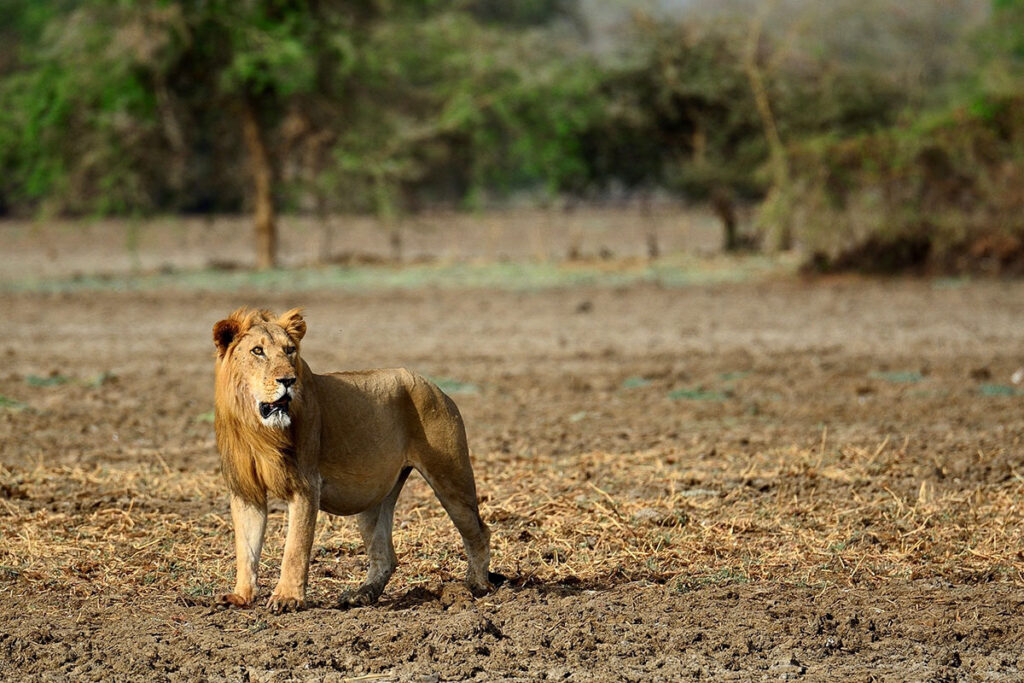
Zakouma National Park, Chad – Africa’s Reborn Wilderness, Elephant Revival Stronghold, Bird Migration Haven and One of the Continent’s Greatest Conservation Success Stories
Overview
Zakouma National Park stands today as one of Africa’s greatest conservation triumphs and most awe-inspiring wilderness landscapes. Established in 1963, it is Chad’s oldest national park and a symbol of resilience for the entire Sudano–Sahelian region. At roughly 3,000 km², Zakouma protects some of the last intact Sudanian savannas on Earth—a vast expanse where golden grasslands stretch endlessly, seasonal pans glisten under the sun, and hardy acacia woodlands thrive despite the heat and harsh climate. For much of the 1990s and early 2000s, the park endured catastrophic poaching that decimated its elephant population and threatened the integrity of its entire ecosystem. But the arrival of African Parks in 2010 marked the beginning of one of the most remarkable wildlife recoveries ever documented.
Today, Zakouma is a thriving sanctuary where elephants roam in peace, predators flourish, massive buffalo herds sweep across the plains in dust-filled formations, and vibrant birdlife transforms wetlands and pans into kaleidoscopes of movement and sound. Visitors to Zakouma discover a remote and exclusive safari setting where raw wilderness, powerful ecological processes and committed conservation come together to create an unforgettable experience. Its remote setting, untouched landscapes and low visitor numbers make it one of the most authentic safari destinations in Africa.
Location
Zakouma lies in the Salamat Region of southeastern Chad, a remote and rugged landscape at the ecological crossroads of the Sahel and Sudanian zones. Its location creates a fascinating fusion of flora and fauna typically found in both West and Central Africa. The park forms the core of the Greater Zakouma Ecosystem, a larger conservation landscape African Parks aims to connect to Siniaka-Minia and other key wildlife areas through protected corridors. This expanded ecosystem vision ensures wildlife can move freely across a wider natural range while communities benefit from sustainable, well-managed natural resources.
Geography
Zakouma’s terrain is shaped by a mixture of clay floodplains, gently rolling savannas, wooded areas and riverine habitats. Its foundation lies within the ancient Chad Basin, characterized by deep layers of alluvial soils and periodic flooding that enrich the land with nutrients. Seasonal pans dotted across the park act as lifelines for wildlife in both wet and dry seasons. Granite and sandstone outcrops rise above the plains, providing refuge for predators, shade for mammals and nesting sites for birds.
During the rainy season, floodwaters spread across thousands of hectares, creating an intricate network of wetlands, shallow lakes and swampy meadows. As the water retreats, these fertile plains transform into productive grazing grounds where herbivores gather in spectacular numbers. This constant cycle of flooding and drying maintains Zakouma’s ecological vitality and shapes the behavior of its wildlife throughout the year.
Climate
Zakouma experiences a strongly seasonal climate with dramatic contrasts between the wet and dry periods. The rainy season (June–October) brings heavy downpours that turn the park into an emerald-green sanctuary bursting with life. Amphibians emerge in abundance, migratory birds arrive to breed and feed, and the park becomes almost impassable due to flooding. The dry season (November–May) brings searing heat, dusty Harmattan winds and dwindling water sources. It is during this period that wildlife congregates in extraordinary densities, offering exceptional viewing opportunities for visitors.
Hydrology
The lifeblood of Zakouma is the Salamat River, which flows seasonally through the park and feeds a complex system of tributaries including Bahr Kouk and Bahr Salamat. These waterways expand dramatically during the rains, supporting lush vegetation and abundant aquatic life. When the dry season advances, most stretches shrink into isolated pools and pans, attracting immense gatherings of animals seeking water.
This rhythmic rise and fall of water levels fuels the park’s most dramatic wildlife dynamics. As food becomes concentrated around the remaining water sources, predators follow the herds, resulting in intense predator-prey interactions. The hydrological cycle ensures that Zakouma remains a dynamic and ever-changing wilderness, offering a new experience with each season.
Rigueik Pan – The Beating Heart of Zakouma
If Zakouma is a living organism, then Rigueik Pan is its heart. This enormous seasonal pan forms one of Africa’s most remarkable wildlife gathering arenas. During the late dry season, when the rest of the park becomes parched and dusty, Rigueik remains a lifeline of moisture and minerals. It becomes the focal point for some of the most dramatic dry-season congregations found anywhere on the continent.
- Buffalo herds reaching up to 1,500 individuals
- Elephant families returning to drink peacefully—a stark contrast to the terror-filled years of poaching
- Large concentrations of Kordofan giraffes
- Thousands of tiang, kob and hartebeest feeding on shrinking grasslands
- Lions, hyenas and cheetahs drawn by the abundance of prey
- Waterbirds gathering in spectacular flocks
The scale and intensity of wildlife at Rigueik during March and April rivals the most famous wildlife spectacles in Africa. It is a place where nature unfolds in its rawest and most magnificent form.
Ecosystems
Zakouma encompasses a diverse collection of ecosystems, each contributing to its rich biodiversity. The Sudanian savanna supports a mix of grasslands and woodlands dominated by acacia and combretum species. Seasonal floodplains host some of the region’s most productive grazing grounds, while clay pans offer critical seasonal feeding and watering sites. Riverine forests and wetlands add further ecological complexity, providing shelter for leopards, primates, birds and countless smaller organisms.
Vegetation
The park’s vegetation varies between hardy, drought-resistant species in the dry areas and lush, moisture-rich plants in the floodplains and wetlands. Key species include Acacia seyal, Acacia sieberiana, Combretum, Terminalia and Balanites aegyptiaca. Seasonal grasses such as Hyparrhenia flourish during the rains, supporting large herbivores and spawning new life after months of drought.
Wildlife
The Elephant Revival
No story defines Zakouma more powerfully than the revival of its elephant population. After losing over 90% of its elephants to poachers by 2010, Zakouma has witnessed a resurgence under African Parks’ uncompromising protection. The park now hosts a growing herd, with regular calf births signaling a hopeful future. Anti-poaching patrols, aerial surveillance and advanced monitoring have created a safe haven for the elephants, allowing them to form strong family groups and rediscover the rhythms of life that were once disrupted.
Mammals
- Kordofan giraffe: Zakouma contains the world’s single most important population of this critically endangered species.
- Buffalo: Immense herds dominate the floodplains, creating dramatic scenes of dust, movement and color.
- Tiang and hartebeest: These antelope species migrate seasonally, forming large herds during the dry season.
- Lions: Thriving prides capitalize on the abundance of prey.
- Cheetahs: Frequently sighted across open plains.
- Leopards: Most common in wooded and riverine areas.
- Hyenas: Both striped and spotted species roam the park.
- Several other antelope species, including kob, roan, red-fronted gazelle and waterbuck.
Birdlife
Zakouma is one of Africa’s greatest birding destinations, supporting over 380 recorded species. The park lies on a critical migratory route used by Palearctic and intra-African migrants. During the wet season, wetlands overflow with pelicans, storks, herons, ducks and waders. The dry season offers vast congregations of doves, sandgrouse, cranes and raptors.
One of Zakouma’s most iconic spectacles is the movement of millions of red-billed quelea, forming swirling flocks that darken the sky and create mesmerizing shapes in the air. This phenomenon alone draws bird enthusiasts from around the world.
Reptiles, Amphibians and Insects
The park is home to Nile crocodiles, monitor lizards, African rock pythons and numerous amphibian species that breed explosively during the rains. Insects—including butterflies, dragonflies, beetles and termites—play a vital role in supporting birdlife and maintaining the park’s ecological health.
Unique Features
- Dry-season wildlife gatherings at Rigueik Pan
- One of Africa’s most successful elephant recoveries
- The world’s largest remaining Kordofan giraffe population
- Huge buffalo herds
- Unmatched bird spectacles, including quelea murmurations
- Extreme remoteness offering rare safari exclusivity
Cultural and Indigenous Communities
The area surrounding Zakouma is inhabited by diverse ethnic groups, including the Salamat Arabs, Rounga and Hadjerai people. These communities maintain traditional pastoralist lifestyles deeply connected to seasonal water and grazing patterns. African Parks works closely with them through community schools, healthcare support, sustainable livelihood initiatives, grazing agreements and conflict mitigation strategies that foster coexistence and long-term conservation benefits.
Conservation Importance
Zakouma is a model of modern conservation management. African Parks employs a sophisticated approach that includes armed and highly trained ranger teams, community intelligence networks, aerial reconnaissance and rigorous data-driven monitoring through the SMART system. This multi-pronged strategy has nearly eliminated poaching, restored elephant populations and stabilized predator numbers. Zakouma is now the centerpiece of a broader conservation vision that aims to link several protected areas into a massive ecological corridor.
Threats
- Historical elephant poaching (now largely suppressed)
- Potential cross-border insecurity
- Bushmeat hunting near villages
- Climate variability affecting floodplain hydrology
- Seasonal livestock incursions outside park boundaries
Research and Monitoring
- Elephant collaring and movement tracking
- Large carnivore distribution studies
- Giraffe conservation and population genetics
- Waterbird breeding and migration monitoring
- Wetland and floodplain ecological assessments
- Law-enforcement monitoring and ranger-route optimization
Tourism Activities
- Dry-season game drives
- Guided walking safaris
- Birdwatching tours
- Visits to Rigueik Pan
- Seasonal boat excursions
- Night drives in limited areas
- Cultural interactions with local communities
Access
Most visitors reach Zakouma by charter aircraft from N’Djamena to the park’s airstrip. Overland travel is possible in the dry season but requires careful planning and specialized vehicles due to long distances and unpredictable road conditions.
Permits and Fees
All entry, activity and camping fees are managed by African Parks. Due to limited accommodation and the park’s remote nature, advance booking is essential.
Accommodation
- Camp Nomade: One of Africa’s most exclusive mobile camps, offering exceptional access to prime wildlife areas.
- Tinga Lodge: A comfortable permanent lodge overlooking wildlife-rich surroundings.
- Galab Camp: A private mobile camp ideal for specialized safaris.
Best Time to Visit
The optimal time to visit Zakouma is between December and April, when dry-season conditions draw wildlife into concentrated areas around pans and rivers. The months of February to April are especially dramatic, offering some of the best predator-prey action and wildlife density in Africa. Bird enthusiasts may prefer the later parts of the rainy season when migrant species arrive in spectacular abundance.
Why Zakouma National Park Is Unique
Zakouma National Park is a symbol of hope and a shining example of what determined conservation efforts can achieve. From its dramatic elephant revival to its massive buffalo herds, flourishing predators and mesmerizing bird spectacles, Zakouma represents the very essence of wild Africa—raw, remote, powerful and profoundly alive. For travelers seeking a safari experience unlike any other, far removed from crowds and deep in one of the continent’s most inspiring landscapes, Zakouma is an irreplaceable treasure and a destination of a lifetime.