
Zinave National Park
Zinave National Park – Rewilding Success, Miombo Woodlands, Riverine Forests, Big-Game Restoration and Mozambique’s Emerging Conservation Gem
Zinave National Park is one of Southern Africa’s most inspiring conservation success stories—an extraordinary landscape where decades of ecological recovery, species reintroduction programs and transboundary partnerships have transformed a once-depleted wilderness into a thriving sanctuary. Located in southern Mozambique and covering approximately 4,000 km², Zinave forms a vital component of the Great Limpopo Transfrontier Conservation Area, linking Mozambique with South Africa’s Kruger National Park and Zimbabwe’s Gonarezhou National Park. Today, Zinave is celebrated for its restored wildlife populations, flourishing woodlands, revitalized river systems and expanding tourism potential, offering one of the most remarkable examples of modern ecological revival on the continent.
Established in 1973, Zinave suffered severe wildlife losses during periods of instability, but the last decade has witnessed a dramatic transformation driven by co-management between Mozambique’s National Administration for Conservation Areas (ANAC) and Peace Parks Foundation. Through extensive restoration programs, anti-poaching initiatives, infrastructure development and the reintroduction of more than 2,300 animals—including elephants, buffaloes, zebras, wildebeest, giraffes and predators—Zinave has re-emerged as a thriving ecosystem. Today, it stands as a symbol of hope and resilience, demonstrating how degraded landscapes can return to ecological health when protected with commitment, science-based management and community involvement.
Location, Size and Geographic Setting
Zinave National Park lies in Inhambane Province, southeastern Mozambique, strategically positioned within the Great Limpopo Transfrontier Conservation Area. Covering around 4,000 km², the park extends across gently undulating terrain, alluvial plains and riverine forests associated with the Save River, one of Mozambique’s most important waterways. The park’s location provides a natural ecological corridor connecting coastal forests, inland savannahs and transboundary wildlife dispersal zones, making it a critical link in southern Africa’s conservation network.
- Area: ~4,000 km²
- Established: 1973
- Transfrontier Link: Part of the Great Limpopo Conservation Area
- Altitude Range: ~80–300 meters above sea level
- Nearest Urban Centres: Mabote and Vilankulo
Its strategic position ensures connectivity with multiple ecological zones, supporting the movement of elephants, antelope, predators and bird species between habitats, while also preserving genetic diversity crucial for long-term wildlife survival.
Geology and Landscape Formation
Zinave’s landscapes are shaped by ancient sedimentary formations of the coastal plain, comprising alluvial soils, deep sands, river terraces and fossil dune systems. These geological features influence vegetation structure and hydrological patterns throughout the park. Sandy soils dominate much of the miombo woodland, supporting long-rooted trees adapted to drought conditions, while richer alluvial soils along the Save River nourish dense riverine forests, palms and floodplain grasses.
Over centuries, seasonal flooding, wind erosion and changes in river morphology created a mosaic of habitats—from open savannahs and acacia thickets to palm-lined riverbanks. This diversity underpins Zinave’s capacity to support large mammals and specialist species. The presence of fossil dunes and ancient river channels also reflects historical climate fluctuations, giving Zinave’s landscapes both ecological and geological significance.
Climate and Seasonal Patterns
Zinave National Park experiences a tropical savannah climate characterized by a pronounced wet and dry season. Rainfall occurs primarily from November to April, transforming the park into a lush green landscape dotted with seasonal pans, ephemeral streams and dense foliage. During the dry season (May to October), temperatures rise, vegetation thins out and wildlife congregates around permanent water sources along the Save River, creating excellent opportunities for viewing animals.
- Rainfall: 600–900 mm annually
- Temperature Range: 18°C–34°C
- Wet Season: November–April (lush vegetation, breeding period)
- Dry Season: May–October (best wildlife visibility)
These climatic cycles shape Zinave’s ecological rhythms, triggering migrations, breeding cycles and vegetation regeneration. The predictable drought–rainfall pattern also makes Zinave an important refuge for wildlife dispersing from drier zones.
Hydrology – Save River, Wetlands and Aquatic Systems
Zinave’s hydrology is dominated by the Save River, one of Mozambique’s longest and most ecologically important waterways. Flowing along the park’s eastern boundary, the Save River supports lush riverine forests, palm groves and floodplain habitats rich in biodiversity. Seasonal pans, marshes and tributary channels further enhance the park’s water dynamics, creating a network of aquatic systems that sustain wildlife during dry months.
- Save River: Lifeline of the park; key habitat for elephants, hippos and birdlife.
- Seasonal Pans: Essential for antelope, amphibians and migratory birds.
- Floodplains: Support grazing herbivores and create nutrient-rich soils.
- Riparian Forests: Provide shade, food and breeding grounds for fauna.
These hydrological features transform Zinave into a year-round sanctuary, supporting both resident and migratory species. The presence of permanent water in an otherwise dry region makes Zinave a climate-resilient refuge for wildlife.
Ecosystems and Habitat Diversity
Zinave’s ecosystem mosaic comprises woodlands, thickets, grasslands, riparian forests and palm savannahs. This habitat diversity supports a wide spectrum of species, from browsers and grazers to large predators and specialized woodland birds. The park’s ecological zones reflect climatic, geological and hydrological variations that shape plant and animal distribution.
- Miombo Woodlands: Dominant habitat supporting elephants, kudu, sable and birdlife.
- Acacia and Mopane Woodlands: Provide forage for browsers such as giraffes and elephants.
- Floodplain Grasslands: Seasonal grazing areas for antelope and reintroduced herbivores.
- Riverine Forests: Dense, diverse habitats offering refuge for primates, birds and hippos.
- Palm Savannahs: Iconic landscapes dominated by towering ilala palms.
The combination of these habitats creates conditions ideal for ecological recovery and species reintroduction, making Zinave a prime location for long-term rewilding.
Flora – Miombo Trees, Palms and Riverine Vegetation
Zinave’s plant life reflects its position at the ecological intersection of coastal Mozambique and inland savannah systems. Miombo woodlands, dominated by Brachystegia, Julbernardia and Isoberlinia species, form the backbone of the park’s vegetation. These trees are drought-resistant, fire-adapted and vital for supporting herbivores that browse on leaves, bark and shoots.
- Miombo Species: Brachystegia spiciformis, Julbernardia globiflora
- Mopane Trees: Important for elephants and browsers
- Acacias: Provide food for giraffes and numerous bird species
- Ilala Palms: Iconic along riverine habitats; important for local culture
- Riparian Trees: Fig, jackalberry, sausage tree, ebony
These diverse flora systems not only support wildlife but also play key roles in soil conservation, carbon storage and maintaining microclimates within the park.
Wildlife of Zinave National Park
Once severely depleted, Zinave’s wildlife has rebounded dramatically thanks to one of the most successful rewilding programs in Africa. Over 2,300 animals have been reintroduced since 2015—transforming the park into a thriving refuge for herbivores, predators and birds. With functioning ecosystems restored, Zinave is now home to dozens of large mammal species and expanding predator populations.
Mammals
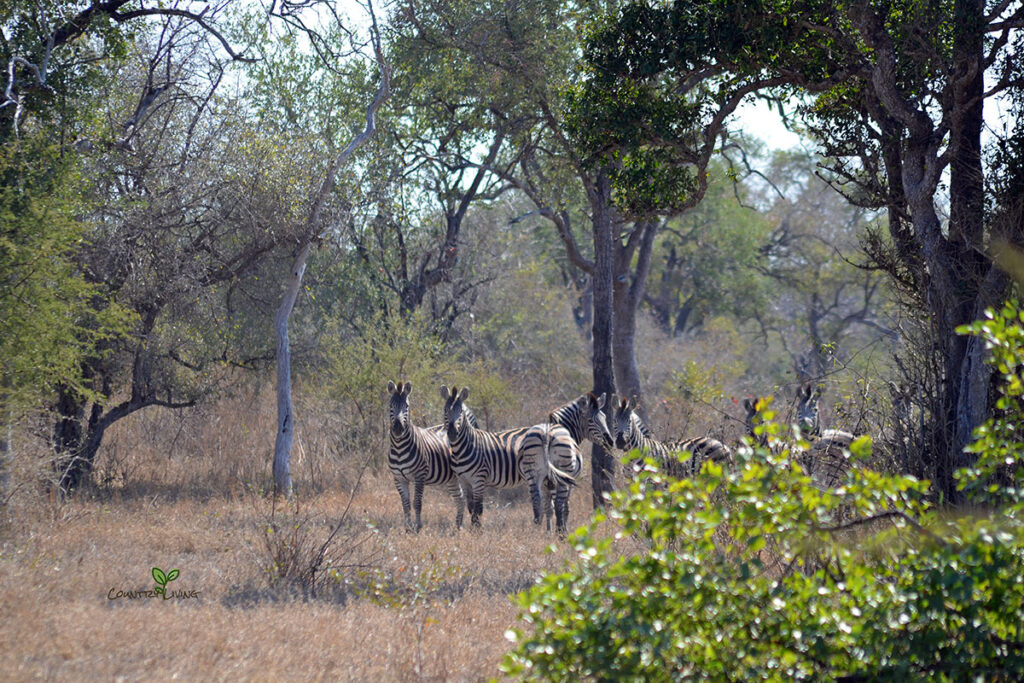
Zinave boasts a growing diversity of mammal species, many of which were absent for decades. Key reintroductions include elephants, buffaloes, wildebeest, zebras and giraffes. These herbivores have kickstarted natural ecological processes such as grazing patterns, seed dispersal and predator recovery.
- Elephants: Successfully reintroduced; now expanding naturally.
- Buffaloes: Vital for predator resurgence.
- Giraffes: Reintroduced Masai giraffes thriving in woodlands.
- Zebras, Wildebeest, Impala, Waterbuck: Key grazers shaping vegetation dynamics.
- Predators: Leopards, hyenas and cheetahs returning as prey populations grow.
Birdlife
Zinave is an emerging birdwatching hotspot, with more than 200 recorded species. The mixture of riverine forests, woodlands and wetlands supports both resident and migratory species.
- Raptors such as fish eagles and bateleurs
- Waterbirds including herons, storks and kingfishers
- Miombo specialists like green-capped eremomelas and wood hoopoes
Reptiles, Amphibians and Insects
The park’s rivers and wetlands support crocodiles, terrapins and various frog species. During the wet season, insect populations explode—creating essential food sources for birds, reptiles and small mammals. Butterflies, dragonflies and beetles thrive across Zinave’s woodlands and marshes.
Unique Features of Zinave National Park
Zinave stands out for its extraordinary restoration success, vibrant palm savannahs, thriving miombo landscapes and role as a wildlife corridor within the Great Limpopo Transfrontier Conservation Area. Few parks in Africa demonstrate such rapid ecological recovery over a short period, making Zinave a living model for modern conservation.
Cultural and Community Connections
Local communities surrounding Zinave depend on sustainable natural resource use and increasingly participate in conservation through co-management, eco-tourism development and community conservancies. The ilala palm, widely used in traditional basket-making and ceremonies, forms a vital cultural link between people and the landscape.
Conservation Importance
Zinave protects vital miombo woodlands, riverine forests and wildlife corridors that support the genetic health of southern African animal populations. Its rewilding efforts serve as a model for landscape-scale restoration, demonstrating how degraded ecosystems can be revived through science-driven management, community development and transboundary collaboration.
- Critical refuge for reintroduced mammals
- Part of a vital transfrontier migration route
- Key water catchment for the Save River
- High carbon storage in woodlands and forest soils
Threats and Environmental Challenges
- Poaching: Historically severe but greatly reduced due to anti-poaching teams.
- Human–Wildlife Conflict: Managed through community programs and safe corridors.
- Habitat Degradation: Prevented through fire management and restoration.
- Climate Variability: Impacts water availability and vegetation productivity.
Strengthened law enforcement, community partnerships and scientific monitoring ensure that these challenges are effectively addressed.
Research and Monitoring Programs
Zinave hosts robust research programs focusing on population monitoring, predator recovery, radio tracking, vegetation surveys and hydrological studies. These efforts help measure ecological resilience and guide future management decisions. Partnerships with scientific institutions enhance biodiversity assessments and publish valuable conservation data.
Tourism Activities
Tourism in Zinave is still developing, giving visitors a unique opportunity to experience a pristine and uncrowded wilderness. Activities include game drives, birdwatching, walking safaris, river excursions and visits to scenic palm savannahs and wetlands.
- Guided game drives
- Birdwatching tours
- Walking safaris with trained rangers
- Scenic photography along the Save River
Access – How to Reach Zinave National Park
- By Road: Accessible from Vilankulo, Mabote and Inhambane.
- Nearest Air Access: Vilankulo Airport with connections to major cities.
- 4×4 Required: Road conditions vary seasonally.
Permits and Park Regulations
- Park entry fees applicable
- No off-road driving
- No disturbance to reintroduced wildlife
- Guided activities recommended for safety
Accommodation Options
Zinave offers a growing range of accommodations, including tented camps, community lodges and riverside campsites. Park infrastructure continues to expand in support of sustainable tourism and long-term conservation funding.
Best Time to Visit
- Dry Season (May–Oct): Best wildlife sightings
- Wet Season (Nov–Apr): Lush landscapes, excellent birdwatching
Why Zinave National Park Is Unique
Zinave National Park is a rare example of a completely revitalized African wilderness—where rewilding, anti-poaching interventions, community empowerment and scientific management have revived ecosystems that were once on the brink of collapse. Today, it stands as a flourishing landscape filled with elephants, giraffes, buffaloes, birds and vibrant woodlands that testify to the power of restoration. With its riverine forests, palm savannahs, thriving wildlife and strategic role in the Great Limpopo Transfrontier Conservation Area, Zinave is not just a national park—it is a beacon of conservation success and a glimpse into the future of protected area recovery across Africa.