
W National Park
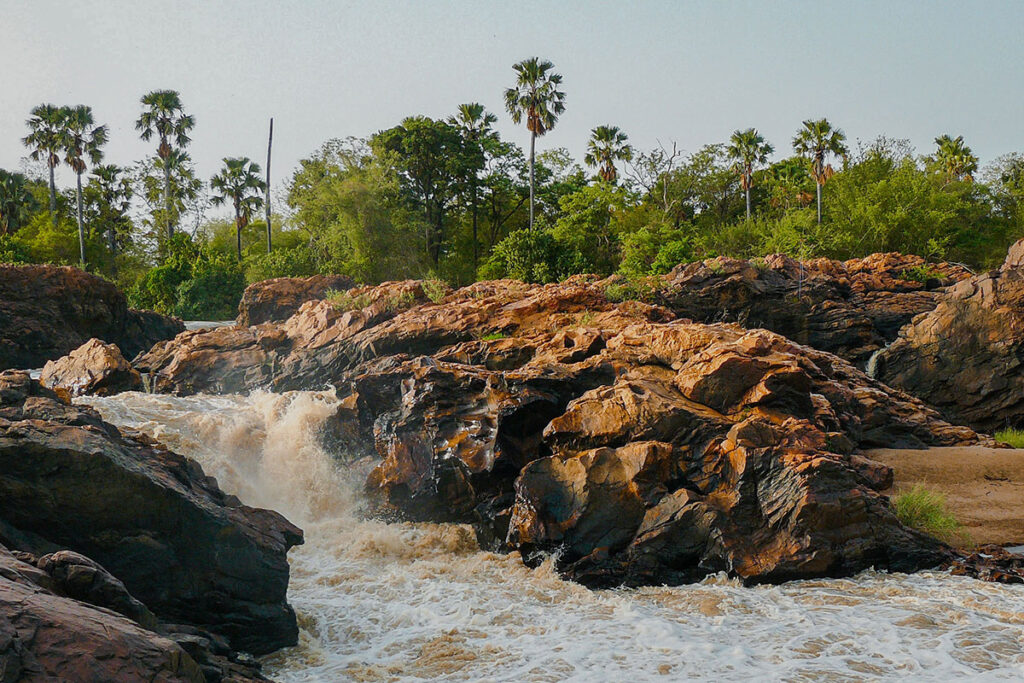
W National Park, Niger–Benin–Burkina Faso — UNESCO Transboundary Wilderness of the Niger River’s Iconic “W” Bend
Overview
W National Park — often referred to simply as W, or Parc National W — stands as one of the greatest remaining wildlife sanctuaries in West Africa. Spanning approximately 1,000,000 hectares (10,000 km²) across Niger, Benin, and Burkina Faso, the park forms the ecological heart of the vast W–Arly–Pendjari (WAP) Transboundary Conservation Area, which together exceeds 1.7 million hectares. Its significance extends far beyond size — W represents the last stronghold of fully functioning Sudano–Sahelian savanna ecosystem, home to elephants, lions, leopards, cheetahs, buffalo, hippos, over 350 bird species, 454 plant species, rich insect diversity, and critical wetland habitats.
Officially established on 4 August 1954, W National Park is a UNESCO World Heritage Site, a Ramsar Wetland of International Importance, and an Important Bird Area (IBA). It is a global conservation priority where ecological processes — seasonal migrations, predator-prey interactions, fire cycles, and flood rhythms — continue as they have for millennia. For safari travelers, researchers, conservationists, and photographers, W offers something increasingly rare in Africa: sprawling wilderness with minimal human settlement, raw beauty, and wildlife that still moves freely across borders in a natural, ancient rhythm.
Location & Transboundary Importance
The park straddles three countries — southwestern Niger, northwestern Benin, and southeastern Burkina Faso — positioned along the Niger River’s middle basin. Its location at the climatic transition between the Sahel and Sudanian woodlands creates an extraordinarily rich ecological gradient that supports both dry-zone species and more humid savanna specialists. This biogeographical overlap is a major reason W possesses such exceptional biodiversity compared to other regions in West Africa.
As the northern anchor of the W–Arly–Pendjari Complex, the park plays a central role in sustaining regional wildlife migrations. Elephants, lions, leopards, and roan antelope move seasonally between W, Pendjari, and Arly, maintaining genetic flow that is crucial for long-term species survival. Without W, this migration route would collapse — making the park not only a national treasure, but a core ecological engine for wildlife persistence across West Africa.
History & Establishment Timeline
- 1926–1930: Region declared faunal reserve under colonial rule to control hunting pressure.
- 4 August 1954: Elevated to National Park status, marking formal legal protection.
- 1996: Niger sector inscribed as UNESCO World Heritage Site for outstanding biodiversity.
- 2002–2005: Ramsar wetland listing extended across major river zones and floodplains.
- 2017: Entire W–Arly–Pendjari Complex granted UNESCO World Heritage designation.
- 2020: Benin sector brought under co-management with African Parks, strengthening security, science and community partnerships.
The park’s modern conservation strategy evolved through EU-funded programs such as ECOPAS (1996–2008), which established patrol systems, biodiversity monitoring, and community outreach. Today, management is divided but coordinated: Benin’s section is co-managed by African Parks, Niger maintains state-led operations with ranger deployment, and Burkina Faso employs sector-based monitoring and anti-poaching brigades. This tripartite model, while complex, reflects the transboundary nature of wildlife itself.
Geography & Physical Landscape
W National Park derives its name from the distinctive double meander of the Niger River — an elegant “W” shape easily recognizable from aerial imagery and mapping software. These sweeping bends form broad alluvial plains rich with sediments, creating oxbow lakes, backwaters, levees, sandbars, and wetland islands that shift and reform over decades. The result is a living landscape — dynamic, seasonal, and constantly reshaped by water and time.
Beyond the river, the park unfolds as a mosaic of plateaus, granite inselbergs, sandstone ridges, shallow basins, and savanna plains dotted with termite chimneys. In certain regions, a phenomenon called Tiger Bush forms natural stripes on the land — alternating bands of dense shrubs and barren soil visible clearly from above. Archaeological features — burial mounds, pottery fragments, occupation sites — reveal that humans interacted with this region centuries ago, though constant flooding historically discouraged permanent settlement inside what is now the core protected area.
Climate & Seasonal Conditions
The park lies in a Sudano–Sahelian climate zone characterized by one rainy and one dry season:
- Dry Season (November–April): Water becomes scarce, wildlife gathers near rivers, vegetation opens for excellent game viewing.
- Rainy Season (May–September): Heavy storms regenerate grasslands, fill floodplains, trigger amphibian breeding and massive bird activity.
Temperatures peak between March and May, often exceeding 35°C, though river breezes soften the heat. The transformation between seasons is dramatic — from dusty amber plains in the dry months to emerald floodplains teeming with life during the rains. For safari photography, both seasons offer distinct advantages: visibility in dry months, lush color and ecological drama after the rains.
Hydrology — Rivers & Wetlands
Three main water systems sustain life in W National Park:
- Niger River: Permanent water body shaping the iconic “W”, supporting hippos, crocodiles and riverine forest corridors.
- Mekrou River: Cuts deep valleys, hosting dense gallery forests ideal for primates, kingfishers, hornbills, and elephants.
- Tapoa River: Seasonal yet vital, maintaining dry-season drinking access for antelope, buffalo, and big cats.
Oxbow lakes, swamps, reedbeds, and seasonal pools act as breeding hotspots for fish, amphibians, insects, and aquatic birds. The hydrology of W is ecologically critical — it regulates microclimates, filters groundwater, buffers drought stress, and sustains wildlife populations long into the dry season. Without these wetlands, large mammals would not survive here with such resilience.
Ecosystem & Vegetation Zones
W National Park contains one of the most intact woodland-savanna systems in West Africa. Plant diversity exceeds 454 documented species, including two endemic orchids found only in Niger. Its vegetation gradient is ecologically important — shifting from northern Sahelian shrublands into richer Sudanian woodlands toward the south, and narrowing into dense forest ribbons along the rivers.
Primary Habitat Types
- Savanna woodlands dominated by Combretum, Terminalia, and Isoberlinia.
- Grassland floodplains that green explosively after rains.
- Gallery forests forming humid micro-climates along waterways.
- Tiger Bush zones visible as striking vegetation stripes.
- Rocky uplands & inselbergs hosting specialized drought-tolerant plants.
The vegetation supports herbivores year-round — fresh shoots after rains feed antelopes, while dry grass and pods sustain elephants and buffalo deeper into the dry season. This multi-season resource cycle is the backbone of W’s wildlife abundance.
Wildlife
W National Park is one of the last landscapes in West Africa where large wildlife still survives at ecologically meaningful scales. It protects populations that have vanished across much of the sub-region, making W a final refuge for biodiversity that once spanned the entire Sahel belt.
Key Mammals
- West African lion (increasingly rare elsewhere)
- Leopard (cryptic but widespread)
- Northwest African cheetah (critically endangered)
- African bush elephant (regionally significant population)
- African buffalo & roan antelope
- Hartebeest, kob, oribi, waterbuck
- Patas monkey, baboon, warthog, aardvark
Predator sightings require patience, but the thrill of encountering lion or cheetah here is unmatched — this is one of their final natural strongholds outside East and Southern Africa. Elephant herds roam river corridors during dry months, creating unforgettable safari scenes.
Birdlife (350+ species)
- Martial eagle, bateleur, brown snake eagle
- Red-throated bee-eater, Abyssinian roller
- Saddle-billed stork, goliath heron
- White-faced whistling duck, pelicans, storks, egrets
Seasonal floodplains make W a premier birding destination in Africa. Palearctic migrants arrive in huge numbers from November to February, mixing with African residents to create one of the richest bird assemblages in the region — ideal for bird photography tours and ornithological expeditions.
Reptiles, Amphibians & Invertebrates
Nile crocodiles, Nile monitor lizards, pythons, vipers, cobras, terrapins, frogs and toads thrive especially in wet season when breeding peaks. Invertebrates are equally important — butterfly clouds follow flowering cycles, while termite mounds (reaching 3 meters in height) aid soil fertility, water infiltration, and vegetation renewal.
Fish & Aquatic Biodiversity
Wetland channels host tilapia, catfish, alestes, cichlids and various mormyrids, supporting fishing communities downstream. Seasonal flood expansion multiplies breeding habitat, triggering explosions of aquatic life that feed birds, crocodiles and otters. These fish populations are essential to the food chain and highlight the importance of river protection.
Indigenous Communities & Cultural Landscape
Communities surrounding the park include Gourmantché, Fulani/Peul pastoralists, Djerma/Zarma and Hausa. Traditional livelihoods rely on transhumant livestock herding, millet cultivation, fishing, honey harvesting, shea/oil-seed processing and medicinal plant use. Cultural identity is deeply tied to land and seasonal movement — a rhythm mirrored by wildlife migrations.
However, population around the park has doubled in recent decades, surpassing 3.5 million within 30 km of the WAP Complex. Expanding cultivation, cattle pressure and wood extraction increase strain on park boundaries. Modern conservation therefore focuses not just on wildlife protection but on empowering communities with alternative income — such as beekeeping, tourism employment, and sustainable grazing agreements.
Conservation Significance
W National Park is a biodiversity ark — a last refuge where large mammals still move freely across countries. Its ecological role includes:
- Maintaining West Africa’s largest continuous elephant population.
- Protecting one of the last lion and cheetah habitats in the Sahel biome.
- Safeguarding wetlands vital for migratory birds and fish breeding.
- Ensuring large-scale genetic connectivity across the WAP landscape.
The park is not just important — it is irreplaceable. If W disappears, West Africa loses its last functioning megafauna model, its final intact savanna system, and an entire chapter of evolutionary history.
Threats & Pressures
- Elephant poaching — over 1,000 elephants lost since 2011.
- Livestock encroachment & agricultural expansion.
- Bushfires, charcoal burning & unsustainable wood harvesting.
- Fishing pressure in river systems during dry season.
- Security concerns slowing tourism and ranger coverage.
- Climate-driven drought and water scarcity.
Combatting these pressures demands continuous investment in anti-poaching units, cross-border cooperation, intelligence networks, and sustainable livelihoods for surrounding communities. W’s survival depends on collective responsibility — from governments to tourists to global conservation donors.
Research, Monitoring & Management
W is a premier scientific research landscape. Projects include:
- Camera-trap carnivore density monitoring.
- Elephant GPS-collaring for migration mapping.
- Waterbird and IBA wetland census.
- Aerial wildlife counts & biomass surveys.
- Fire ecology & savanna regeneration studies.
African Parks in Benin has increased ranger force, improved intelligence-led patrols, introduced cattle vaccination programs to reduce disease spread to wildlife, and supported local enterprise including beekeeping, crafts, edible oil processing and ecotourism training. Research outputs guide decisions on fire management, grazing zones, water access, and species protection strategy across all three country blocks.
Tourism & Visitor Experience
Safari Game Drives
Dry-season safaris offer exceptional visibility of elephants, antelopes, buffalo and predators near rivers and grasslands. Early morning and dusk drives are most rewarding — lions patrol floodplains, elephants converge to drink, and birdlife erupts in golden light. Because tourism numbers remain low compared to East Africa, guests often enjoy sightings in near solitude.
Birdwatching
Birdwatching in W is world-class. River loops hold herons, storks and bee-eaters; savannas offer raptor photography; wetlands host massive seasonal gatherings after rains. Many birders spend 3–7 days exploring river ecosystems, gallery forest corridors, and open plains — an itinerary that delivers high-end photographic output and rare species sightings.
Boat Safaris
Where permitted, water-based safaris provide immersive wildlife encounters — crocodiles sunning on sandbars, hippos snorting in oxbows, fish eagle hunts and elephant herds crossing shallow channels. Sunset journeys are especially dramatic, with silhouettes of birds flocking against orange skies.
Walking Safaris & Cultural Interaction
Guided walking trails (in approved safe zones) introduce botanical ecology, animal tracking, termite studies, medicinal plant knowledge, and signs of migration corridors. Community visits can include drumming, mask rituals, food preparation demonstrations, or discussions with pastoral groups about life beside a protected wilderness.
Access & How to Reach W
- Benin Route: Cotonou → Parakou → Kandi/Malanville → Park entrances.
- Niger Route: Niamey → Tillabéri/Tapoa sector.
- Burkina Faso Route: Ouagadougou → Fada N’Gourma → Diapaga → Park access.
4×4 vehicles are required most of the year. Rain season (May–Sept) may close tracks temporarily due to flooding or mud. Travel with experienced, up-to-date operators is strongly recommended, especially when navigating border areas or tracking wildlife movements.
Permits, Entry Rules & Regulations
Entrance fees vary per country and are payable at park gates or through licensed safari operators. Some zones require ranger accompaniment, particularly near political borders or sensitive conservation areas. Off-road driving, hunting, fishing, wood extraction and wildlife disturbance are strictly prohibited in core protection zones.
Accommodation
Benin offers the most structured safari accommodation, including eco-lodges, riverside tented camps, community-based tourism sites and research-support lodges. Niger and Burkina Faso sectors host simpler guesthouses, ranger camps, and small eco-facilities suitable for adventurers and research teams. Booking ahead is essential in dry season when demand increases sharply.
Best Time to Visit
- Wildlife Peaks: November – March (dry, open visibility, rivers attract animals)
- Birding High Season: November – February (migrants + resident flocks)
- Green Season: May – September (lush scenery, amphibian and insect activity)
Why W National Park Is Unique
W is not a typical safari — it is a window into West Africa as it once was. Herds still migrate, predators still hunt freely, birds still paint the skies in great seasonal flocks. The Niger River still curves into its unmistakable “W”, carving out floodplains that pulse with life. This is the last true wilderness of the Sahel–Sudanian belt — raw, remote, thrillingly untamed.
Visiting W National Park means experiencing a living ecological treasure. You witness evolution still in motion, biodiversity still intact, and a continent’s ancient rhythms still beating under open sky. Few places in Africa offer this level of authenticity — a safari in W is both a journey into nature and a commitment to help protect one of Earth’s most threatened yet most magnificent wilderness landscapes.