
Wadi El Gemal National Park
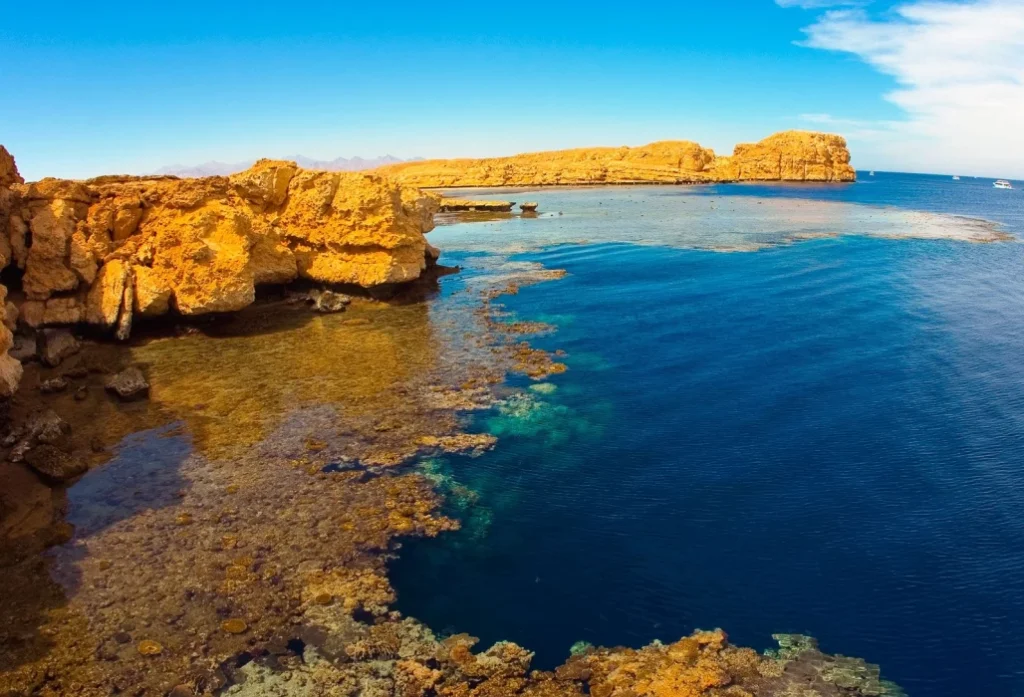
Wadi El Gemal National Park, Egypt – Marine Reefs, Desert Valleys, Ancient Emerald Routes & Indigenous Conservation
Overview
Wadi El Gemal National Park stands as one of the most magnificent protected areas in Egypt and the entire Red Sea region, celebrated for its exceptional combination of ecological wealth, archaeological history and indigenous culture. Covering nearly 7,500 km², the park stretches across a dramatic gradient of environments — from some of the Red Sea’s healthiest coral reef systems and vast seagrass meadows to inland mountain ranges, ancient caravan pathways and fertile wadis that have supported life for millennia. Established in 2003 to safeguard its fragile ecosystems from increasing development pressure, the park has grown into a premier ecotourism destination, attracting researchers, hikers, divers, birders and travelers who want to experience wilderness untouched by mass tourism. Its enormous ecological diversity and timeless cultural presence make Wadi El Gemal a world-class conservation landscape where land, sea and history connect seamlessly.
Key Facts At a Glance
- Location: Southern Red Sea, Eastern Desert, Egypt
- Total Area: ~7,450 km² (marine + terrestrial zones combined)
- Terrestrial Area: ~4,770–5,850 km² of desert mountains + wadis
- Marine Area: ~1,600–2,100 km² of reefs, seagrass & islands
- Year of Establishment: 2003 under Law 102/1983
- IUCN Classification: Category II National Park
- Protected Planet Registry: WDPA ID 306589
- Tourism Character: Low-impact, eco-focused and culturally authentic
Location & Geography
The park occupies a pivotal ecological position along the southern Red Sea, where oceanic currents meet desert winds and mountain drainage networks merge into shallow lagoons. This transitional zone produces an array of landscapes unlike anywhere else in Egypt. The coastal belt is defined by sandy spits, tidal pools, mangrove pockets and turquoise reef-filled bays, while only a short distance inland, the mountains rise steeply with valleys winding between them like natural highways. These wadis once served as routes for trade caravans and today form biological corridors where vegetation flourishes after rain. The combination of desert geology and coastal waters also produces striking vistas — high cliffs look down onto bright blue seas, while below the surface coral gardens stretch for kilometers.
Geological Foundation
Wadi El Gemal sits atop the Arabian–Nubian Shield, a geological structure more than half a billion years old. This rugged massif is composed of metamorphic rock, granodiorite, gneiss and weather-cut schists, each revealing a timeline of volcanic events, continental collisions and erosional processes that shaped northeast Africa. Over time, tectonic uplifting and wind-driven erosion sculpted formations resembling towers, ridges, stepped terraces and cliff walls. These ancient rock seams are not only visually dramatic, but they also determine where groundwater accumulates, which slopes feed wadis, and which soil types support vegetation growth. This geologic backbone fundamentally shapes the biodiversity and hydrology of the park — without it, the life that thrives here could not exist.
Wadis, Plains & Mountain Zones
The wadis — especially Wadi El Gemal itself — play the most critical ecological role inland. During flash-flood years, torrents of freshwater rush down from summits, carving soft banks and depositing silt that supports acacia groves, grasses and ephemeral flowers that bloom for only a few weeks but transform the desert into a vibrant living carpet. Wildlife congregates in these drainage lines for water and shade. Meanwhile, plateau zones on the uplands provide nesting cliffs for birds of prey such as eagles and Egyptian vultures, while the gravel plains host gazelles at dawn and dusk. The deeper one travels away from the coast, the more silent and pristine the wilderness feels — offering one of the most immersive remote-desert experiences in Egypt.
Climate
The park experiences a classic hyper-arid climate with intense summer heat, low annual rainfall and abundant sunlight. Temperatures in July and August often exceed 40°C, especially inland where wind breaks are limited. Along the Red Sea shoreline, humidity moderates night temperatures and stabilizes daily fluctuations, allowing mangroves and coastal species to thrive. Winter months bring more comfortable daytime averages of 20–28°C with crisp desert nights that make hiking and stargazing ideal. Rainfall, though minimal, is ecologically powerful — even a single storm can recharge aquifers and trigger migrations of insects, birds and flowering plants. This climate supports a unique resilience-based ecosystem, adapted to scarcity, heat stress and intermittent abundance.
Hydrology & Groundwater Systems
Freshwater is scarce but immensely significant. Groundwater wells located throughout the central drainage basin contain sodium-chloride water, which in several recorded points can be treated for domestic use. These wells historically enabled human settlement and grazing across the region. Seasonal flooding redistributes minerals and moisture into wadi beds, reviving dormant plant seeds and stimulating primary productivity for weeks afterwards. Along the coast, hydrological exchange is constant — tidal inputs feed mangrove roots with oxygen and salt-filtered water, while seagrass beds capture nutrients and dampen wave energy. These hydrological dynamics allow the park to sustain life across two seemingly contradictory environments: a desert where rain is rare and a marine world bursting with fertility.
Ecosystems & Habitats
Wadi El Gemal’s ecosystems are among the most diverse in Egypt. More than 450 coral species and over 1,200 fish species dominate the marine belt, while inland more than 140 recorded plant species populate steep wadis and high-temperature rock fields. This multi-ecosystem framework creates layers of interconnected life — coral nurseries feed reef predators, mangroves filter coastal sediments, seagrass meadows nourish turtles and dugongs, and inland wadis supply birds and mammals searching for forage. The richness of habitat types makes the park crucial for scientific study — particularly climate resilience, desert plant survival strategies and coral reef adaptation under warming conditions.
Coral Reefs
The reefs of Wadi El Gemal are living architecture. Towers of hard coral stand beside waving soft-coral fans, home to parrotfish, butterflyfish, goatfish, anthias clouds and reef sharks. Visibility often exceeds 30 meters, making this one of the most photogenic reefs in the Red Sea. The reef crest protects lagoons from wave impact, allowing beginners and shallow snorkelers to observe marine life up close without deep diving certification. Meanwhile, experienced divers explore drop-offs, caves, pinnacle forests and night-shifting bioluminescent organisms — a dream setting for underwater photography and long-form marine surveys.
Seagrass Meadows
No ecosystem in the park is as ecologically critical to endangered species as its seagrass meadows. These underwater grazing fields are the primary food source for the rare dugong — a species now globally declining. Green turtles forage here daily, sometimes spending hours grazing like underwater cattle before returning to rest beneath coral ledges. The root network of seagrass binds sediment, reduces coastal erosion and stabilizes reef turbidity. Where seagrasses thrive, clarity improves, fish nurseries expand and reef recovery accelerates — a perfect feedback loop linking ocean resilience to coastal vegetation health.
Mangrove Forests
Grey mangroves dominate the intertidal creeks and channels, providing hatcheries for shrimps, juvenile fish, mollusks and mud crabs. Birds such as herons and egrets perch along the roots, ambushing prey as tides rise. Mangroves store enormous amounts of blue carbon, helping mitigate climate change naturally. Their salt-filtration ability allows growth where few plants survive — an evolutionary miracle providing oxygen, food and habitat in a land populated mostly by stone and sand.
Desert & Wadi Systems
Inland habitats remain dynamic despite aridity. After rainfall, these systems erupt with wildflowers that attract bees, beetles and butterflies, which in turn feed birds, foxes and lizards. Shrubs such as Lycium and Tamarix support browsing herbivores like Dorcas gazelles, while acacia trees anchor soil and trap moisture. Reptile abundance is exceptionally high, with over 25 species recorded — including geckos that thrive in rock shelters and monitor lizards that patrol wadi floors. This desert-adapted ecosystem is one of the most resilient natural systems in North Africa.
Flora & Vegetation Diversity
Over 140 vascular plant species exist across Wadi El Gemal, adapted to salt, drought, heat and seasonal scarcity. High-productivity years occur when rainfall triggers ephemeral growth — transforming wadis into green belts rich with nectar, seeds and forage. Plants such as Acacia tortilis hold deep roots that extract groundwater even during droughts, enabling continued shade and ecosystem support. Medicinal plants known to the indigenous communities are still harvested sustainably using traditional rotational methods, showcasing a heritage of ecological respect passed across generations.
Wildlife & Species Richness
Mammals
Mammalian life is subtle but richly distributed. Dorcas gazelles graze at dawn and dusk, slipping through dunes like pale gold shadows. Nubian ibex occupy steep rock slopes where predators cannot reach, their agility unmatched in the desert. Offshore, dugongs glide across seagrass beds and dolphins accompany boats through calm channels. Nocturnal species — hedgehogs, bats, desert foxes — dominate the night hours, emerging when sand cools and insects rise. These animals represent a true desert-adaptation success story, thriving where water is rare and vegetation sparse.
Birds
Birdlife is exceptional due to the park’s position along the Red Sea migration corridor. Raptors such as ospreys and Egyptian vultures patrol cliffs, flamingos stride across tidal flats, and waders probe mangrove mud for shrimp. Offshore islands host critical nesting grounds for tern colonies, while migratory waves in spring and autumn bring warblers, swallows and storks in the thousands. Birdwatchers often consider Wadi El Gemal one of the most rewarding sites in Egypt for diversity and unexpected sightings.
Reptiles & Amphibians
Reptiles thrive where heat is abundant. Geckos cling to rock faces, skinks speed across sandstone shelves and snakes occupy crevices near cool limestone shade. Marine reptiles also flourish — particularly green sea turtles that return annually to nest along undisturbed beaches. Amphibians are limited by aridity but appear rapidly in newly formed pools, breeding and disappearing just as quickly when waters evaporate. Their cycles mirror the park’s sporadic water availability.
Marine Biodiversity
Marine biodiversity here is some of the richest in the Red Sea. Corals form continents of color, while invertebrates — sea cucumbers, starfish, octopus, mollusks — add texture and ecological function. Larger predators such as reef sharks maintain balance by regulating fish populations, while rays glide across sandy bottoms and giant clams pulse through shallow currents. Beneath the waterline, this world is vibrant, intricate and alive — an ecosystem that rivals the best diving destinations globally.
Cultural Heritage & Ancient Emerald Mining
The emerald mines of Mons Smaragdus and Sikait represent one of the park’s most extraordinary cultural features. Used from Ptolemaic through Roman periods, these mines once supplied gemstones traded from Alexandria to the Roman Empire. Excavations reveal temples, worker camps, inscriptions, graffiti and remnants of ancient stone houses — a living record of industry and faith. Caravan routes tied Wadi El Gemal to mainland Egypt, Arabia and the Sahara, carrying goods, livestock and stories across this desert corridor. Visiting these sites offers more than archaeological fascination — it is a journey into one of humanity’s oldest mining civilizations.
Indigenous Communities & Cultural Continuity
The Ababda people are the park’s living cultural heart. Their generational knowledge of water sources, herbs, grazing grounds, astronomy and desert navigation is unmatched. Many now work in community-led tourism — guiding camel expeditions, cooking traditional meals, crafting woven goods and helping visitors understand ecological stewardship. Their presence ensures that tourism revenue returns to local families rather than external developers. Supporting Ababda-run tours is an act of conservation, culture and sustainability combined.
Conservation Value
Wadi El Gemal protects one of the Red Sea’s most intact marine-desert biomes. Coral-seagrass-mangrove connectivity maintains high fish biomass, supports marine mammals and stabilizes coastlines from erosion. Inland, desert wadis hold plant genetics resistant to drought and salinity — crucial for ecological adaptation under climate change. As ocean temperatures rise globally, parks like Wadi El Gemal may serve as climate-resilient refuges for coral communities, making protection efforts globally significant, not just nationally relevant.
Threats & Modern Pressures
Illegal development remains the most pressing threat, particularly construction attempts along Ras Hankorab beach. Coral bleaching risk rises year by year, and anchor damage, plastic waste, overfishing and unsanctioned reef access threaten habitat structure. Desert ecosystems are highly sensitive — even a single off-road route or vegetation harvest can take decades to recover. Long-term conservation depends heavily on strong legal enforcement, visitor education, local Bedouin involvement and sustainable tourism principles that protect what makes the park magical.
Research & Ecological Monitoring
Marine biologists continuously monitor coral health, fish density, turtle nesting and dugong grazing ranges. Geologists map drainage networks to improve flash-flood prediction, while archaeologists excavate emerald mining towns to reveal forgotten histories. Socio-economic studies investigate how tourism profits can be equitably redistributed into Ababda communities to support conservation-led livelihoods. These ongoing data programs guide management decisions, making Wadi El Gemal a scientific research hub as well as a protected wilderness.
Tourism Activities & What to Experience
Nature-based tourism thrives when minimized in impact and maximized in educational value. Visitors can experience:
- Snorkeling over coral gardens in shallow turquoise lagoons
- Diving with expert guides on deep reef walls and pinnacles
- Dugong & dolphin boat safaris along seagrass belts
- Camel treks led by Ababda communities into desert wadis
- Hiking and mountain photography at sunrise or dusk
- Exploration of Roman emerald mines & archaeological complexes
- Bedouin tea nights under star-rich desert skies
Every activity pairs adventure with environmental awareness — reinforcing why Wadi El Gemal must remain protected for future generations.
Access & How to Reach the Park
The park is accessed mainly through Marsa Alam International Airport, followed by a 1-hour drive south along the coastal highway. For reef and island excursions, boats depart from Hamata and Abu Ghusun. Inland journeys require 4×4 transport and local guides due to remote terrain, no-signal areas and strict conservation regulations. This remoteness keeps the park wild, scenic and free of mass-tourism congestion, preserving the true desert-marine wilderness experience.
Permits, Regulations & Conservation Responsibility
Entry fees support conservation staff, ecological monitoring and community programs. Special permits are required for filming, research and camping in restricted zones. Visitors must avoid anchoring on coral, follow no-touch underwater guidelines, refrain from littering, respect wildlife distance limits and avoid off-track driving. Responsible behavior is not optional — it is essential for protecting this delicate ecosystem network from irreversible damage.
Accommodation & Visitor Facilities
Eco-lodges and camps along the Hamata–Marsa Alam coast provide sustainable accommodation, often powered by solar energy and built with natural materials that blend into desert scenery. Some offer guided snorkeling, Bedouin dinners and astronomy nights. Desert expedition camps offer immersive backcountry stays for hikers and researchers. Facilities remain deliberately minimal — a strategy that preserves wilderness, reduces noise and ensures tourism remains compatible with long-term ecological protection.
Best Time to Visit
The most comfortable months for exploration are October to May, when daytime heat eases and inland trekking becomes rewarding rather than exhausting. Winter light illuminates reefs brilliantly for underwater photography, while spring migration draws thousands of birds to coastal mudflats. Summer favors diving enthusiasts who prefer warm water and longer daylight, though inland travel becomes physically intense. Regardless of season, early morning and late afternoon offer the best wildlife encounters, photographs and comfort.
Why Wadi El Gemal Is Unique
Wadi El Gemal is a breathtaking, multi-layered wilderness unlike anywhere else in North Africa. It is a place where coral carpets meet desert mountains, where emerald mines older than empires lie silent beneath stars, and where the Ababda people continue to guide travellers through their ancestral homeland. Visitors can explore Roman ruins at dawn, snorkel with turtles at noon and share tea beneath moon-lit dunes — all in one day. Authentic, untouched and ecologically precious, the park represents the very essence of Red Sea conservation and cultural continuity.