
Ras Mohammed National Park
Ras Mohammed National Park, Egypt – Red Sea Coral Reefs, Shark Reef Diving, Mangroves, Seagrass Lagoons and Sinai’s Premier Marine Wildlife Sanctuary
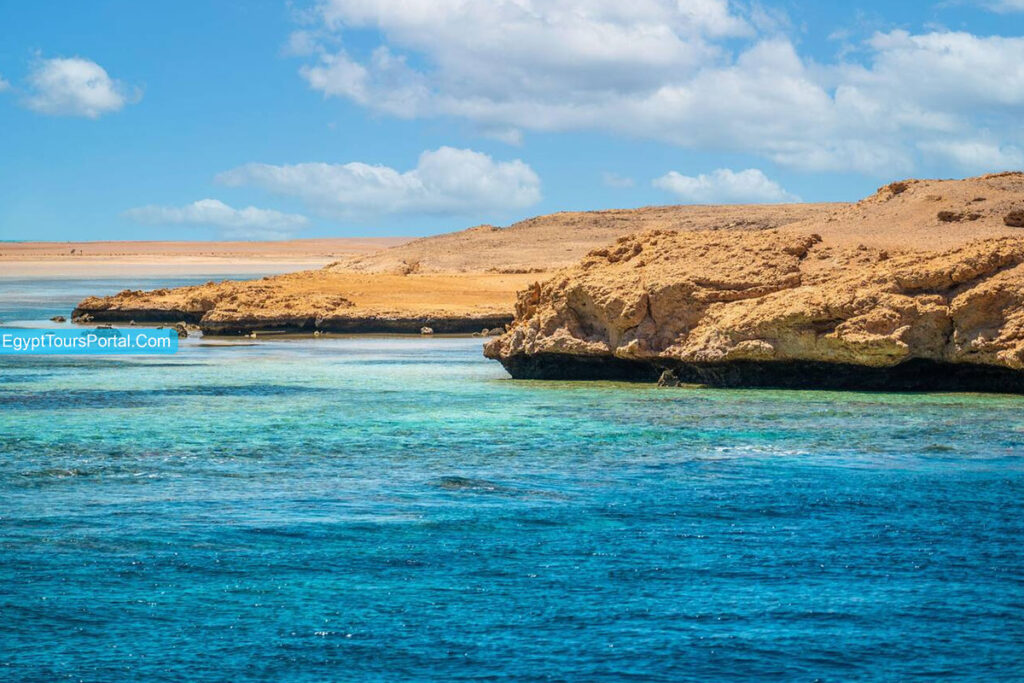
Ras Mohammed National Park is one of the most extraordinary natural destinations in the world—a place where desert cliffs fall sharply into deep blue water, coral reefs burst with vibrant life, and the Red Sea’s warm currents sustain an underwater kingdom of remarkable beauty. Situated at the southern tip of the Sinai Peninsula, this protected area marks the exact point where the Gulf of Suez meets the Gulf of Aqaba, creating a rare intersection of ecosystems that has shaped one of the richest marine environments on Earth. For travelers seeking world-class diving, Red Sea snorkeling tours, shark encounters, coral reef photography or marine wildlife exploration, Ras Mohammed is unmatched in diversity, scenery and ecological importance.
Established in 1983 as Egypt’s first national park, Ras Mohammed spans more than 480 km² of land and sea. Its reef systems are globally celebrated for their exceptional health and resilience, with over 220 species of coral and more than 1,000 species of fish. The underwater landscape includes towering vertical walls that plunge hundreds of meters, sprawling coral gardens, massive pinnacles, and intricate caves shaped by millions of years of geological activity. Above the waterline, the park reveals the raw beauty of the Sinai desert—ancient cliffs, salt-encrusted flats, earthquake fissures, mangroves, shallow lagoons and vast seagrass meadows that support turtles, rays and even rare dugongs.
Overview of Ras Mohammed National Park
Ras Mohammed National Park is internationally recognized for combining outstanding marine biodiversity with dramatic desert scenery. Its unique position at the meeting point of two deep gulfs creates powerful water movements that continually refresh the ecosystem. Strong currents around Shark Reef and Yolanda Reef funnel nutrients that support massive fish schools, filter feeders like soft corals, and apex predators including sharks and giant trevallies. These nutrient-rich upwellings also attract pelagic visitors such as barracuda, tuna and seasonal hammerhead sharks.
The park protects an exceptional spectrum of habitats: steep coral walls, submerged plateaus, mangrove forests, seagrass meadows, desert mountains, bird migration lookouts, saline basins and sheltered coves. This diversity makes Ras Mohammed not only a globally important marine reserve but also a living laboratory where scientists study coral resilience, tectonic activity, climate adaptation and species migration. Its accessibility from Sharm El Sheikh allows visitors to experience pristine underwater wilderness with surprising ease.
Location, Size and Key Facts
Ras Mohammed lies approximately 25 kilometers southwest of the resort city of Sharm El Sheikh, making it one of the most accessible national parks in the Middle East. Visitors can enter by boat, car or organized tour, and each access route offers a different vantage point of the park’s natural beauty.
- Area: approx. 480 km² (combined land and marine zone)
- Coordinates: 27.73°N, 34.26°E
- Established: 1983 (Egypt’s first national park)
- Main habitats: Coral reefs, lagoons, seagrass meadows, mangroves, desert mountains
- Nearby city: Sharm El Sheikh (25 minutes)
Geography, Geology and Landscape
The geology of Ras Mohammed is as dramatic as its underwater life. The park sits on the boundary between the African and Arabian tectonic plates—an active region of the larger Great Rift Valley system. Millions of years of tectonic uplift, volcanic activity and seismic shifts have shaped the steep cliffs, deep fissures and underwater canyons that define the region. This geological tension is visible in the famous “Earthquake Crack,” a long, narrow fracture filled with crystal-clear seawater created by sudden tectonic movement.
Above the surface, the landscape is sculpted by wind and sun into rugged limestone ridges, fossil-rich plateaus and smooth, sandstone-like formations. Beneath the waves, the terrain becomes even more dramatic: towering coral walls drop vertically into the abyss, submarine plateaus extend outward toward the deep sea, and coral pinnacles rise like towers from the seafloor. These geological features create natural corridors that funnel currents, attracting large fish schools and predators.
Climate and Weather
Ras Mohammed experiences a classic hot desert climate, with very high summer temperatures and mild winters. Summer daytime temperatures often exceed 40°C, though the wind along the coast provides relief. In winter, daytime temperatures average 20–25°C, creating ideal conditions for hiking and sightseeing.
Sea temperatures remain warm throughout the year, ranging from 22°C in winter to nearly 30°C in late summer. This stable thermal environment is a key reason Red Sea corals are among the most resilient on Earth, capable of tolerating temperature fluctuations that would devastate reefs in other regions. Combined with almost no river runoff, these stable conditions produce exceptional water clarity—frequently exceeding 30 meters.
Hydrology and Water Systems
The hydrology of Ras Mohammed is one of the main reasons for its exceptional marine biodiversity. The Gulf of Aqaba is a deep, narrow trench reaching depths of more than 1,800 meters. At the southern tip of Sinai, this trench narrows dramatically, forcing cold, nutrient-rich water upward and outward into the shallower Gulf of Suez.
This natural mixing creates:
- High-oxygen waters that support dense coral growth
- Plankton blooms that attract filter feeders and pelagic species
- Strong currents that fuel drift dives and large fish aggregations
- Temperature stability that helps corals resist bleaching
- Deep-water upwellings that bring nutrients from the trench
In addition to the deeper waters, the park hosts shallow coves, tidal pools, saline basins, seagrass meadows and one of the Red Sea’s northernmost mangrove stands—all of which contribute to the park’s ecological richness.
Ecosystems and Vegetation Zones
Ras Mohammed is a mosaic of interconnected ecosystems, each contributing to the park’s biological productivity and visual diversity. These ecosystems include coral reefs, mangroves, seagrass meadows, desert plains and intertidal zones.
Coral Reefs
The coral reefs of Ras Mohammed are among the best preserved on the planet, benefiting from minimal sedimentation, warm water stability and protection from destructive fishing methods. More than 220 coral species—including staghorn corals, brain corals, table corals, massive Porites colonies and vibrant soft corals like Dendronephthya—create a multi-layered underwater forest teeming with life.
These reefs support thousands of fish species including anthias, butterflyfish, parrotfish, triggerfish, angelfish and surgeonfish. Larger species such as giant trevallies, tuna, barracuda, whitetip reef sharks, blacktip sharks and seasonal hammerheads also roam these waters. Coral gardens such as Anemone City host enormous clusters of anemones filled with clownfish, making this one of the most colorful underwater scenes in the Red Sea.
Mangrove Forests
Mangroves in Ras Mohammed represent one of the Red Sea’s northernmost stands of Avicennia marina. Despite extreme salinity and high temperatures, these trees thrive by filtering salt through their leaves. Their intricate root systems stabilize sediment, provide nurseries for fish and crustaceans, and store significant amounts of carbon—making them crucial for climate mitigation and coastal protection.
Seagrass Meadows
The park’s protected bays shelter extensive seagrass meadows, which play a vital role in maintaining marine health. Seagrass beds filter water, provide oxygen, and serve as feeding grounds for sea turtles, sea cucumbers, pipefish and, on rare occasions, dugongs. These meadows also act as nurseries for juvenile fish and support diverse invertebrate communities.
Desert and Mountain Ecosystems
Despite harsh conditions, the desert landscape supports hardy vegetation including saltbush, acacias, desert grasses and succulents. These plants support desert-adapted wildlife such as fennec foxes, jerboas, desert hedgehogs and Sinai agamas. The contrast between the barren desert and the lush coral reefs gives Ras Mohammed its unique aesthetic appeal.
Wildlife of Ras Mohammed National Park
Marine Life
Marine biodiversity is the crown jewel of Ras Mohammed. The park hosts more than 1,000 documented fish species, along with countless invertebrates, rays, turtles and marine mammals. Seasonal gatherings of scalloped hammerhead sharks occur in deeper waters, and schooling species such as snappers, fusiliers and barracuda often form massive, swirling formations along the reef walls.
- Sharks: hammerheads, grey reef, blacktip, whitetip
- Rays: eagle rays, manta rays, stingrays
- Turtles: green and hawksbill
- Pelagics: tuna, mackerel, trevallies
- Mammals: spinner dolphins, bottlenose dolphins
- Rare visitors: dugongs in seagrass zones
Birdlife
Ras Mohammed lies directly on the East African–Eurasian migratory flyway, making it an essential stopover for migrating birds. During peak seasons, thousands of storks, raptors, swallows and seabirds rest, feed and travel through the park.
- White storks and black storks
- Ospreys, kestrels and honey buzzards
- Terns, gulls and oystercatchers
- Herons, spoonbills and reef egrets
Terrestrial Animals
- Fennec foxes and red foxes
- Dorcas gazelles
- Sinai agama and geckos
- Hedgehogs, jerboas and desert rodents
Unique Features and Natural Highlights
Shark Reef and Yolanda Reef
Widely regarded as one of the world’s top ten dive sites, Shark Reef features an awe-inspiring coral wall that drops vertically into the deep blue. Strong currents sweep divers past massive schools of anthias, barracuda and snappers. Yolanda Reef—adjacent to Shark Reef—is famous for the wreck of the Yolanda cargo ship, whose cargo of bathtubs, toilets and porcelain tiles now forms an iconic underwater museum covered in colorful corals and sponges.
Anemone City
Anemone City is a vast underwater slope completely blanketed by thousands of anemones, home to countless clownfish, glassfish and juvenile species seeking refuge among the waving tentacles. It is one of the most photogenic sites in the Red Sea.
Earthquake Fissures
Several earthquake cracks run through the park, filled with crystal-clear water that reflects the sky and surrounding desert. These fractures provide visible geological evidence of the tectonic forces shaping the region.
Magic Lake
Magic Lake is a shallow lagoon famous for its color changes, shifting from turquoise to deep blue depending on sunlight angles, tides and sediment content. It is a favorite spot for scenic photography.
Cultural and Historical Significance
The Sinai Peninsula holds immense cultural and historical importance, serving as a crossroads for trade, migration and ancient travel routes. Bedouin communities have lived in this region for centuries, developing intimate knowledge of desert survival, land navigation and traditional fishing practices. Their cultural heritage forms an invaluable part of the park’s identity.
Conservation Importance and Threats
- Climate change: Rising temperatures and potential bleaching events
- Tourism pressure: Crowded snorkeling areas and reef trampling
- Pollution: Marine debris and boat fuel contamination
- Fishing impacts: Overfishing outside park boundaries
Despite these threats, the Red Sea is considered one of the most resilient coral reef systems globally. Some studies suggest Red Sea corals may withstand warming temperatures better than other reefs worldwide, making Ras Mohammed a vital reference site for coral adaptation and conservation strategies.
Activities and Things to Do
Diving
Divers at Ras Mohammed enjoy drift dives along vertical drop-offs, coral gardens teeming with life, underwater monuments like the Yolanda cargo, and high-energy currents attracting pelagic species. Visibility is consistently excellent, making the park a favorite for underwater photographers.
Snorkeling
Shallow, nearshore reefs allow snorkelers to experience brilliant coral colors and fish life without diving gear. Many sites are accessible directly from the coast, offering clear water even for beginners.
Boat Excursions
Daily boats depart from Sharm El Sheikh for snorkeling, diving and sightseeing tours. These trips often include multiple reef stops, allowing visitors to explore the park from different angles.
Birdwatching
Peak migration seasons transform Ras Mohammed into a hotspot for bird enthusiasts. Raptors circle overhead, waders forage along the lagoons, and seabirds glide effortlessly along the coastline.
Photography
Above and below the surface, Ras Mohammed offers extraordinary photographic opportunities: colorful coral formations, sharks and rays, mangroves framed by desert mountains, shifting lagoon colors, sunrise reflections and the stark elegance of the Sinai cliffs.
Access, Permits and Safety
- Land Access: Via the main Ras Mohammed entrance gate
- Sea Access: Via diving and snorkeling boats departing from Sharm El Sheikh
- Entrance Fee: Required for all visitors
- Dive Permits: Managed by registered dive operators
Safety Tips
- Avoid touching corals—fire coral stings can be severe
- Be cautious of strong currents at major dive sites
- Observe sharks calmly from a respectful distance
- Use reef-safe sunscreen to protect marine life
- Never stand on coral or fragile reef areas
Accommodation Near the Park
While there are no accommodations inside the national park, nearby Sharm El Sheikh offers a wide variety of lodging choices for all budgets:
- Luxury Red Sea beach resorts
- Boutique dive hotels
- Midrange lodges and eco-hotels
- Budget guesthouses and hostels
- All-inclusive resorts offering dive packages
Best Time to Visit
The best time to explore Ras Mohammed is from March to June, when marine life is highly active and visibility is excellent. October to February offers more comfortable temperatures for hiking and sightseeing. Summer months bring warm seas ideal for pelagic encounters, although conditions on land can be extremely hot.
Why Ras Mohammed National Park Is Unique
Ras Mohammed National Park stands apart as one of the world’s greatest natural sanctuaries—a place where towering coral walls, swirling fish schools, mangroves, seagrass meadows, desert cliffs and vibrant blue water come together in a breathtaking union of land and sea. Its reefs are among the healthiest and most diverse anywhere. Its geological setting is both dramatic and scientifically significant. And its position along major migratory routes adds global ecological value.
For travelers seeking unforgettable marine adventures, pristine coral reefs, dramatic landscapes and wildlife encounters, Ras Mohammed National Park is not merely a protected area—it is a masterpiece of natural wonder and one of the Red Sea’s most iconic treasures.